By WPS News Climate Reporter
Baybay City, Philippines | February 9, 2026
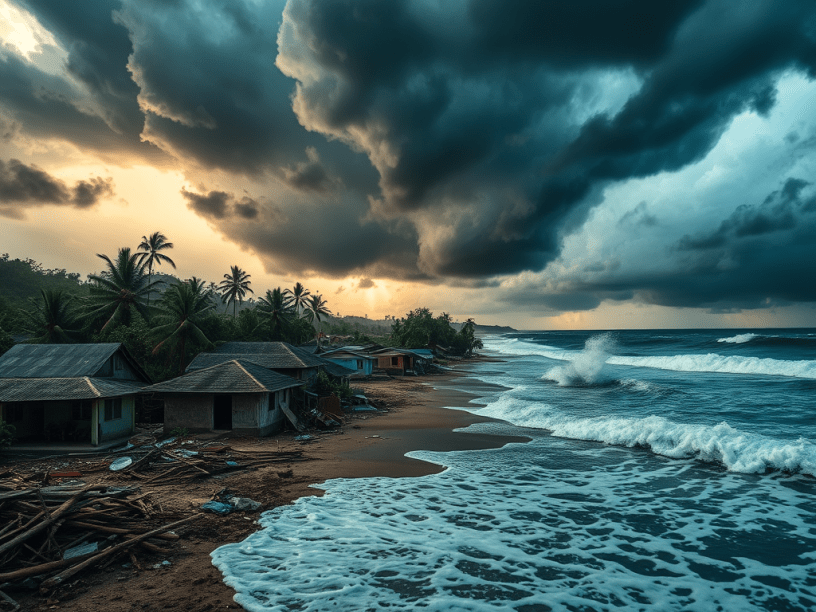
The Philippines, a picturesque archipelago renowned for its vibrant culture and stunning landscapes, has long faced the annual turmoil of typhoons. However, scientific research now confirms a troubling trend: climate change is intensifying both the frequency and ferocity of these storms, posing severe challenges to this disaster-weary nation.
Historically, the Philippines has been situated in a region naturally prone to extreme weather events. Yet, recent studies paint a stark picture of how global warming is exacerbating these natural phenomena. As global temperatures inch upward, they elevate the surface temperature of the Pacific Ocean, a crucial breeding ground for typhoons. This warming ocean acts as fuel, energizing storms and extending what was once a more predictable typhoon season.
Data collected over the years reveal a clear pattern: typhoons in the Philippines are becoming more intense and destructive. The warm waters feed the cyclones, furnishing them with the power needed to escalate rapidly and maintain their strength over longer periods. This escalation not only increases the number of storms but also boosts their severity, bringing with them torrential rains, catastrophic winds, and unprecedented storm surges that leave trails of devastation.
This rise in storm intensity has dire implications for the Philippines, both economically and socially. The nation’s infrastructure, often unprepared for the magnitude of modern typhoons, sustains extensive damage with each passing storm. With roads, bridges, and homes laid to waste, the economy struggles under the weight of repair and reconstruction costs. Moreover, agriculture, a backbone of the Philippine economy and sustenance for millions, suffers significant losses as crops are decimated by floods and winds.
Beyond the immediate physical destruction, communities grapple with profound social challenges. Families are displaced, forced into cramped and often inadequate evacuation centers. Access to clean water and sanitation becomes precarious, elevating the risk of disease outbreaks. The educational trajectory of children is disrupted as schools close or double as evacuation sites. In a country where many already live below the poverty line, these consequences can entrench cycles of poverty and hinder development.
The intensifying threat posed by typhoons underscores the urgent need for adaptive strategies tailored to this new reality. Disaster preparedness, while essential, must now incorporate resilience-building initiatives that prepare communities for the anticipated onslaught of powerful storms. Investments in resilient infrastructure are crucial. Building roads, bridges, and homes capable of withstanding severe weather can mitigate damage and safeguard lives.
Furthermore, local governments and communities must work in tandem to improve early warning systems and evacuation protocols. Timely, accurate information and efficient evacuation strategies can significantly reduce human casualties and injuries. This requires not only technological advancements but also cultural shifts, as education and awareness campaigns aim to engrain a culture of preparedness and responsiveness.
On a broader scale, the Philippines’ experience serves as a cautionary tale about the global impact of climate change. International cooperation and commitment to reducing greenhouse gas emissions are imperative. While adaptive measures can provide immediate relief, addressing the root causes of climate change remains vital to reversing the trend of increasingly severe weather patterns.
Community-based ecological initiatives also offer promising solutions. Projects centered on mangrove reforestation, for example, present a dual benefit: they serve as natural buffers against storm surges and play a role in carbon sequestration, helping to combat global warming. Such initiatives, if supported by national policies and international funding, can empower local communities to contribute to broader climate resilience efforts.
In conclusion, the Philippines, while battling the immediate dangers posed by intensifying typhoons, provides a crucial lens through which the global community can understand the ramifications of climate change. It highlights an urgent call to action—not only for adaptive strategies and disaster preparedness but also for a concerted, global effort to mitigate the effects of climate change. As this nation of resilient people faces an uncertain future, it stands as a poignant reminder of the pressing need for sustainable solutions in the face of nature’s evolving challenges.
Discover more from WPS News
Subscribe to get the latest posts sent to your email.
 WPS News