In reflecting on the actions of past leaders, it is important to approach their decisions with a critical yet balanced perspective. While it is easy to pass judgment with the benefit of hindsight, it is crucial to remember that historical contexts and complexities can shape the choices that leaders make. Instead of being haughty about what we now know, it is more productive to use past mistakes as a guide for our own decision-making processes.
One of the criticisms leveled at President Franklin D. Roosevelt (FDR) is the notion that he may have deliberately provoked Japan into attacking the United States while claiming to keep the country out of war. This accusation raises questions about the ethics of such actions. However, it is essential to consider the broader geopolitical landscape at the time. The Japanese conquest of Asia posed a significant threat, and it is plausible to argue that addressing this aggression was necessary to prevent further escalation.
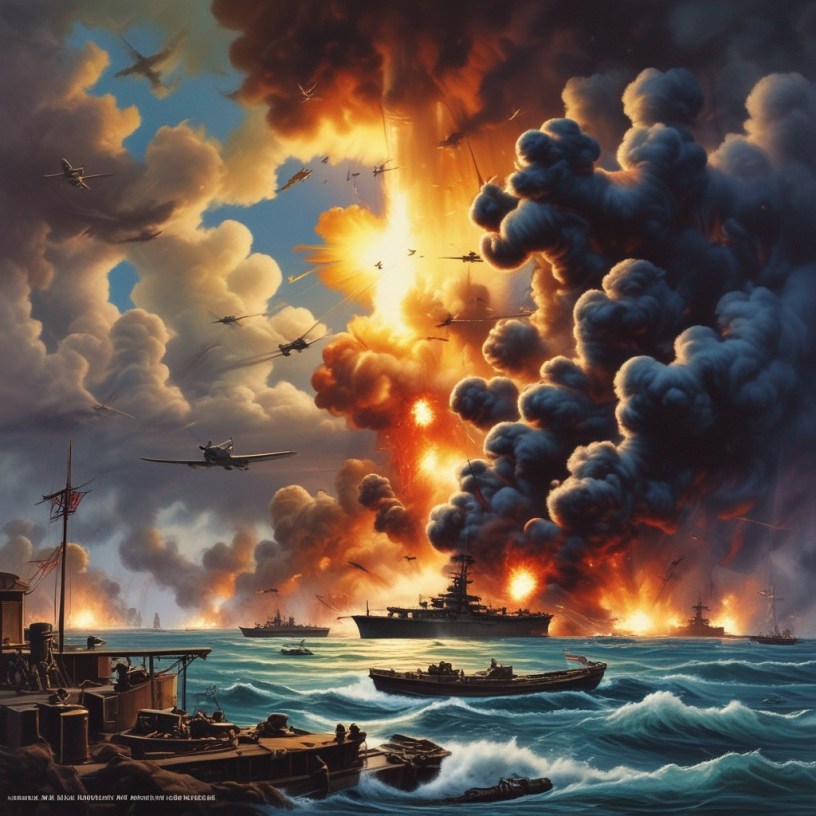
Moreover, the idea that FDR allowed the attack on Pearl Harbor to occur is a contentious one. Critics who were born years after the event may struggle to appreciate the limitations of intelligence gathering and analysis at the time. The Office of Strategic Services (OSS) was in its early stages and did not have the capabilities of later intelligence agencies. The notion that Japan could execute a surprise attack on Hawaii without detection may seem implausible in hindsight, but it is crucial to avoid falling victim to confirmation bias and hindsight bias.
Confirmation bias, both in historical analysis and contemporary discourse, can distort perceptions of reality. People often interpret information in a way that aligns with their preconceived beliefs, leading to a skewed understanding of events. It is essential to recognize these biases and strive for a more nuanced and objective perspective when evaluating past leadership decisions.
While criticisms of past leaders and their decisions are valid, it is crucial to view them as opportunities for learning and growth rather than grounds for condemnation. Truman’s handling of the Korean Conflict and MacArthur’s controversial nuclear weapons proposal serve as cautionary tales that offer valuable insights for current and future leaders. By studying history with an open mind and a willingness to glean lessons from the past, we can better equip ourselves to navigate the complexities of leadership in the present day.
Word Count: 446 words
Discover more from WPS News
Subscribe to get the latest posts sent to your email.
 WPS News