Ever wondered how a hybrid car and a diesel train achieve their impressive fuel efficiency? They both utilize a similar concept, but with some key differences! Let’s delve into the world of electric motors, generators, and the engines that power them.
Toyota’s Hybrid System:
Toyota’s hybrid system is a marvel of engineering, balancing efficiency with practicality. It combines a gasoline engine with electric motors and a battery pack.
- Working Together: The gasoline engine can directly power the wheels or act as a generator. When operating at its most efficient RPM, it generates electricity that charges the battery pack. This electricity then powers the electric motor to drive the vehicle.
- Benefits and Limitations: This system offers significant advantages – improved fuel efficiency compared to traditional gasoline vehicles and reduced emissions during low-speed driving or standstills. However, the engine still generates emissions when running, so it’s not entirely emission-free.
Diesel Train Engine:
Diesel trains take a simpler approach for cleaner operation.
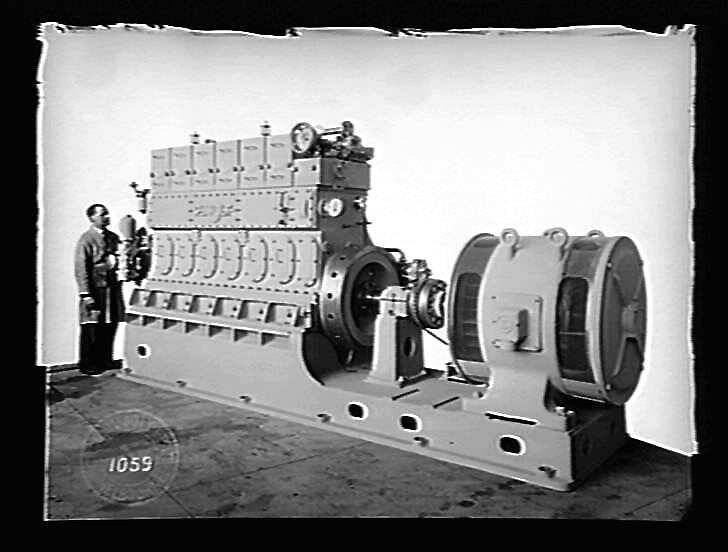
- Constant Power: A dedicated diesel engine runs at a constant, highly efficient RPM to generate electricity. This electricity directly powers the electric traction motors that propel the train.
- Near-Zero Emissions: At this optimal RPM, the diesel engine produces minimal emissions compared to a car engine operating at varying speeds. However, there are still some emissions from the combustion process. It’s important to note that near-zero doesn’t mean zero!
The Efficiency Difference:
The key factor lies in the engine’s role:
- Toyota Hybrid: The gasoline engine isn’t solely focused on electricity generation. It can directly power the wheels, leading to higher emissions compared to a dedicated generator engine.
- Diesel Train: The diesel engine in a train functions solely as a generator, operating at a constant, optimized RPM for minimal emissions.
The Takeaway:
Both systems use electric motors and prioritize efficiency. However, the diesel train achieves a more constant, optimized state for reduced emissions. The Toyota hybrid system offers a balance between efficiency and functionality, resulting in lower emissions than a traditional car but not complete elimination.
Discover more from WPS News
Subscribe to get the latest posts sent to your email.
 WPS News