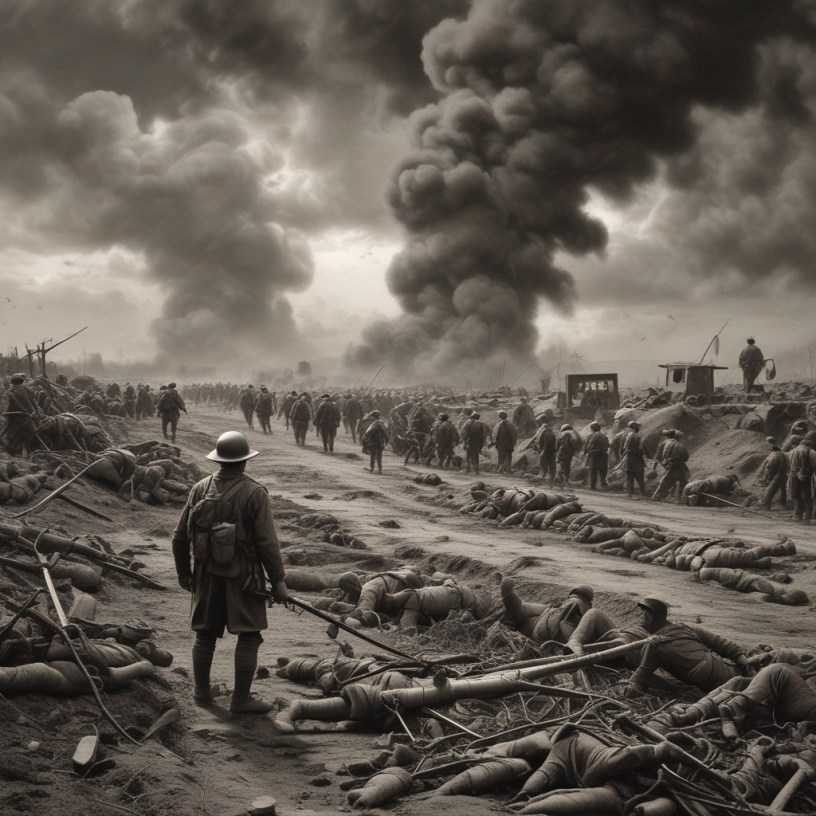
The Battle of Stalingrad started on August 23, 1942, during World War II. As of the current date, it has been 81 years since the Battle of Stalingrad began.
Introduction:
The Battle of Stalingrad, a cataclysmic clash that unfolded from August 1942 to February 1943, serves as a haunting testament to the horrors of war. Amidst the sweltering heat of summer and the bone-chilling cold of winter, Stalingrad bore witness to a relentless symphony of courage, kindness, and unimaginable loss. This pivotal battle on the Eastern Front of World War II etched a scar on history so deep that its echoes resonate through time, reminding humanity of the depths of human suffering and the heights of human resilience.
The Prevailing Weather:
As the battle raged on, Stalingrad’s weather became a cruel adversary, mirroring the brutality of the conflict itself. The suffocating heat of summer gave way to the merciless grasp of winter, as snow blanketed the city, transforming its streets into icy battlegrounds. Soldiers on both sides faced not only the enemy but also the elements, contending with frostbite, hunger, and the constant specter of death in a landscape that offered no respite.
Critical Factors and Decisions:
At the heart of the Battle of Stalingrad lay a series of fateful decisions that would shape the course of the conflict. The German High Command, driven by Hitler’s grandiose ambitions, fixated on capturing the city of Stalingrad, a prize of immense strategic and symbolic importance. This singular obsession led to a bloody urban campaign that devoured lives by the thousands, as both German and Soviet forces grappled for control of the ravaged city. The failure to adapt and evolve in the face of changing circumstances proved to be a fatal flaw that would seal the fate of the German army in Stalingrad.
Individual Acts of Courage and Kindness:
Within the maelstrom of battle, moments of extraordinary bravery and compassion emerged as beacons of light in the darkness. The saga of Sergeant Yakov Pavlov and his valiant defense of Pavlov’s House against overwhelming odds became a symbol of Soviet defiance and tenacity. Soldiers from opposing sides, amidst the chaos of war, extended gestures of mercy and aid to wounded enemies, defying the brutality of conflict with acts of humanity. Civilians trapped in the crossfire displayed remarkable acts of kindness, offering solace and support to those caught in the merciless grip of war.
The Toll of Loss of Life:
The Battle of Stalingrad exacted a staggering toll in human lives, with estimates of casualties ranging from 1.2 to 2 million. This catastrophic loss of life is a stark reminder of the sheer scale of suffering and death that unfolded in the streets and ruins of Stalingrad. To put this toll in perspective, the combined casualties of the Korean War and the Vietnam War pale in comparison to the devastation wrought by the Battle of Stalingrad.
Conclusion:
As we gaze back into the abyss of Stalingrad’s history, we confront a tapestry of valor and tragedy woven into the fabric of war. The echoes of courage, kindness, and loss that reverberate through time serve as a poignant reminder of the human spirit’s capacity for both darkness and light. May we honor the memory of those who sacrificed and perished in Stalingrad by vowing to never forget the lessons learned from this epic battle.
Word Count: 520 words
Approximate Reading Time: 3 minutes
Discover more from WPS News
Subscribe to get the latest posts sent to your email.
 WPS News