Introduction:
The Treaty of Nanking, signed in 1842, marked the end of the First Opium War between the British Empire and the Qing Dynasty of China. This pivotal event reshaped the dynamics of international relations and had lasting implications for both countries. Let’s delve deeper into the triggering event that led to the signing of this historic treaty.
The Triggering Event: The First Opium War
The First Opium War, which ignited in 1839, was the result of a complex interplay of economic, political, and social factors. At the heart of the conflict was the issue of the opium trade, which had been a source of tension between China and Western powers, particularly the British Empire.
During the early 19th century, the British East India Company had been exporting opium grown in India to China in exchange for Chinese tea, silk, and porcelain. The Chinese government, concerned about the social and economic impact of widespread opium addiction, sought to curb the opium trade. In 1839, Chinese authorities seized and destroyed a large quantity of British-owned opium, leading to a diplomatic crisis.
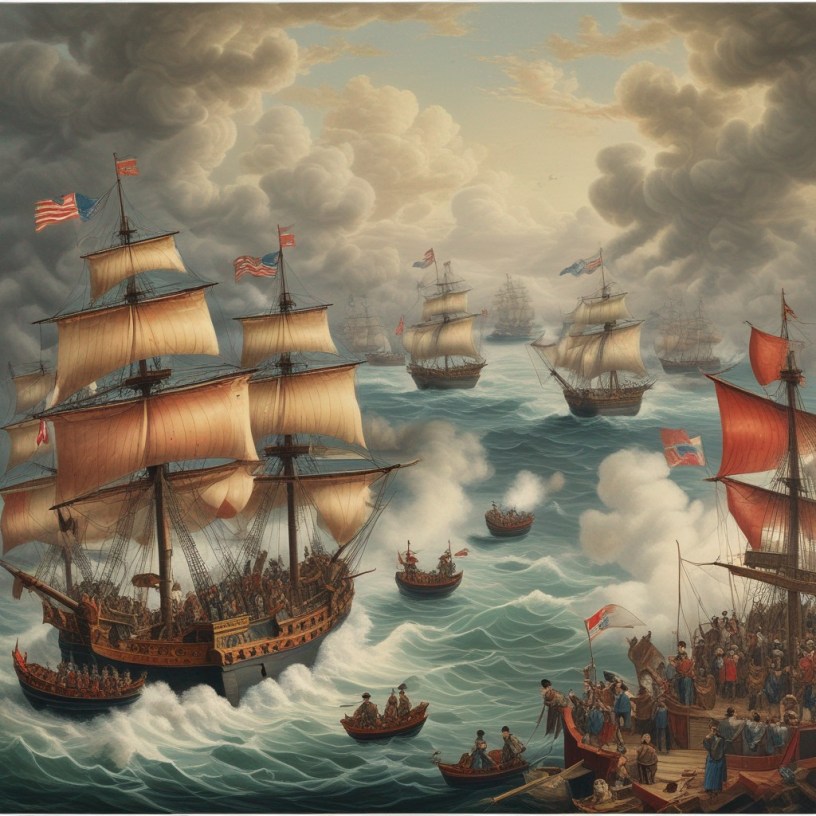
In response, the British government, under pressure from British merchants and traders, dispatched military forces to enforce the continuation of the opium trade. The conflict escalated rapidly, with British forces launching surprise attacks on Chinese ports and coastal cities, including the iconic Battle of Chuenpi and Battle of Canton.
The Culmination: Treaty of Nanking (1842)
After several years of intense fighting and diplomatic negotiations, the Treaty of Nanking was signed on August 29, 1842. The treaty, also known as the Nanjing Treaty, was a significant turning point in the history of Sino-British relations and had far-reaching consequences for both countries.
Key provisions of the Treaty of Nanking included the cession of Hong Kong to the British Empire, the opening of five Chinese ports for trade, the establishment of extraterritoriality for British citizens, and the payment of a substantial indemnity to Britain. Additionally, the treaty also granted most favored nation status to Britain, opening the door for further concessions and unequal treaties between China and Western powers.
The aftermath of the Treaty of Nanking had profound implications for China, leading to a period of internal turmoil, social unrest, and further encroachments by foreign powers. For the British Empire, the treaty solidified its dominance in East Asia and paved the way for further expansion and influence in the region.
Conclusion:
The Treaty of Nanking, borne out of the First Opium War, stands as a stark reminder of the complex interplay of power, economics, and diplomacy in shaping global history. This event serves as a cautionary tale of the consequences of unequal treaties and the enduring legacy of colonialism. By understanding the triggering event that led to the signing of the Treaty of Nanking, we gain valuable insights into the complexities of international relations and the lasting impact of historical events on the present day.
Discover more from WPS News
Subscribe to get the latest posts sent to your email.
 WPS News