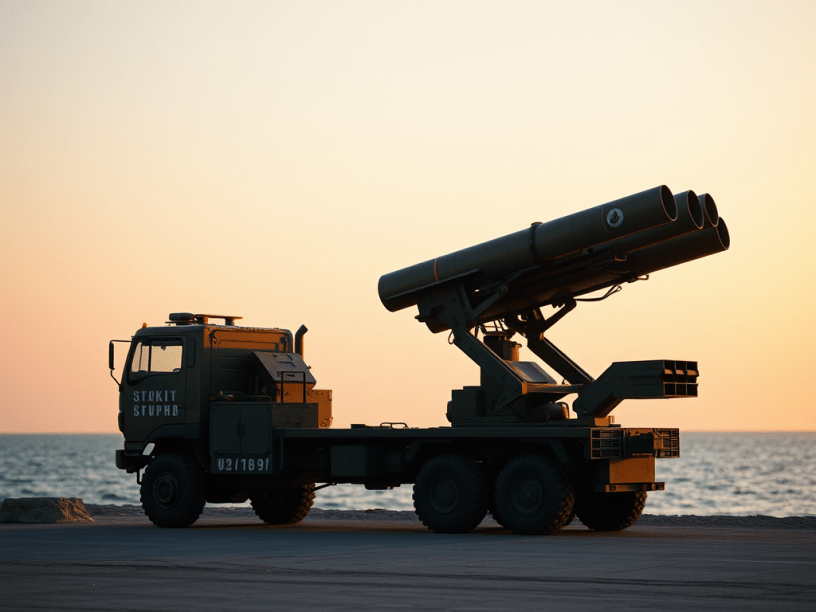
The US-Made Typhon Missile System: Boosting Philippine Defense or Stirring Trouble?
The Philippines, strategically located in the South China Sea, has recently expressed interest in acquiring the Medium Range Capability (MRC) Typhon Missile System from the United States. This potential deal has sparked discussions about its impact on Philippine defense capabilities, regional security dynamics, and legal considerations under existing international agreements.
What is the Typhon Missile System?
Developed by Raytheon Missiles & Defense, the Typhon is a land-based, surface-to-surface missile system designed for medium-range precision strikes. Here’s a breakdown of its technical specifications:
- Range: Up to 300 kilometers (186 miles) depending on the missile variant.
- Payload: Carries various warheads, including high-explosive and anti-ship missiles.
- Mobility: Highly mobile launchers mounted on wheeled vehicles for rapid deployment.
- Guidance: Utilizes GPS and inertial navigation for precise targeting.
Boosting Philippine Defense
Proponents of the Typhon system argue that it would significantly enhance Philippine defense capabilities. Here are some key points:
- Deterrence: The extended range and firepower of the Typhon could deter potential aggressors in the region.
- Island Defense: The system’s mobility allows for deployment on various islands, strengthening Philippine territorial defense.
- Precision Strikes: The Typhon’s precision targeting minimizes collateral damage compared to traditional artillery.
Legal Ramifications and Regional Tensions
However, the acquisition of the Typhon system also raises several legal and geopolitical concerns:
- MTCR Compliance: The Philippines is a signatory to the Missile Technology Control Regime (MTCR), which restricts the proliferation of certain missile technologies. The Typhon’s range might raise concerns about compliance.
- China Factor: China views the South China Sea as its territorial water and might see the deployment of the Typhon system as a threat, potentially escalating regional tensions.
- Arms Race: The introduction of advanced weaponry could trigger an arms race in Southeast Asia, destabilizing the region.
The Road Ahead
The decision to acquire the Typhon system requires careful consideration by the Philippine government. It’s crucial to weigh the potential benefits for national defense against the legal and geopolitical risks. Open discussions and transparency with regional neighbors are essential for maintaining peace and stability.
WPS.News will continue to monitor this developing story and provide updates on the potential acquisition of the Typhon Missile System by the Philippines.
Additional Points to Consider:
- The cost of acquiring and maintaining the Typhon system.
- The training required for Philippine personnel to operate the system effectively.
- The potential for alternative defense strategies that don’t rely solely on advanced weaponry.
By comprehensively analyzing all aspects of the Typhon system acquisition, the Philippines can make an informed decision that strengthens its national security while promoting regional stability.
Discover more from WPS News
Subscribe to get the latest posts sent to your email.
 WPS News