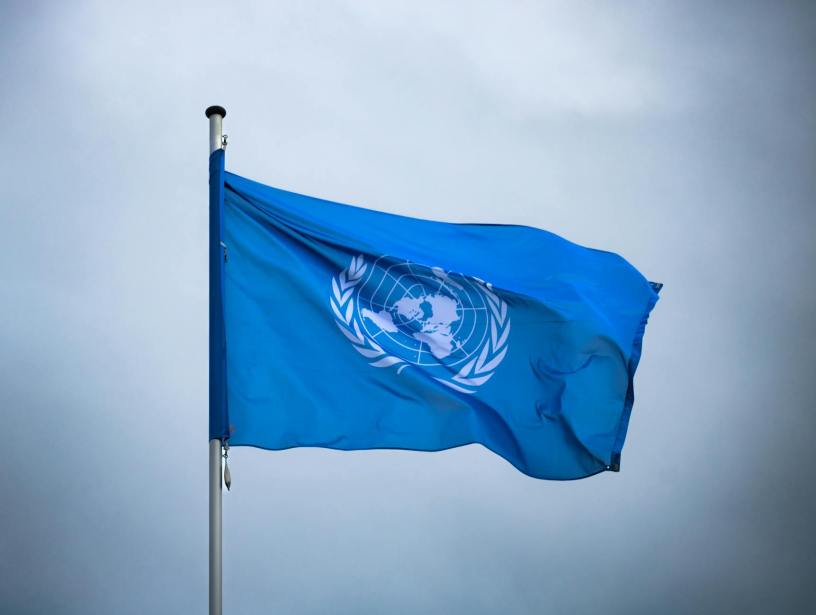
A Legacy of Tarnished Ideals?
The image of UN peacekeepers, with their distinctive blue helmets, evokes a powerful ideal: a neutral force stepping in to prevent conflict and protect civilians. However, the reality of UN peacekeeping over the past 50 years has been a mixed bag. While success stories exist, well-publicized failures raise questions about the UN’s ability to deliver on its promises.
The Rwandan genocide in 1994 stands as a heartbreaking example. Despite warnings, a poorly equipped and under-resourced UN force tragically failed to prevent the slaughter of over 800,000 people. Similarly, the Srebrenica massacre in Bosnia exposed the limitations of peacekeeping missions in protecting civilians during intense violence.
Beyond these extreme failures, allegations of sexual exploitation and abuse by peacekeepers have eroded public trust. Cases in Central African Republic and the Democratic Republic of Congo highlight the urgent need for stricter vetting procedures and a culture of accountability within peacekeeping forces.
Furthermore, UN peacekeeping missions are often hampered by limitations. Unclear or restrictive mandates restrict their ability to act, while rules of engagement designed to minimize casualties can leave them ill-equipped to respond decisively to violence. Adding to these challenges is the unequal burden of funding and troop contributions from member states. Powerful nations can have an outsized influence, while resource-constrained missions struggle to achieve their goals.
However, it’s important not to paint peacekeeping with too broad a brush. The UN is constantly learning and adapting. Following past failures, reforms are underway to strengthen mandates, improve training, and prioritize civilian protection. Success stories, though less often reported, demonstrate the positive impact peacekeepers can have. Namibia’s transition to independence and Cambodia’s emergence from civil war are testaments to the potential of peacekeeping efforts.
A Case in Point: The West Philippine Sea
The issue of enforcing UN rulings further complicates the picture. In 2016, the Permanent Court of Arbitration in The Hague ruled in favor of the Philippines’ claims in the West Philippine Sea, declaring China’s expansive territorial claims to be without legal basis. This decision recognized the West Philippine Sea as part of the Philippines’ exclusive economic zone (EEZ). However, the UN has not taken any action to compel China to abide by this ruling. The Philippines remain locked in a tense standoff with China, with Filipino fishermen being harassed and Chinese military presence increasing in the region.
This inaction raises concerns about the effectiveness of UN rulings in the face of powerful member states. It underscores the need for the UN to develop stronger mechanisms for enforcing its decisions and upholding international law.
In conclusion, the UN’s peacekeeping mission grapples with complex challenges. While acknowledging its shortcomings, we must also recognize its ongoing efforts to improve. By fostering a critical yet constructive dialogue, we can work towards a future where the blue helmets truly embody the ideals they represent: a beacon of hope and stability in a troubled world. Furthermore, the situation in the West Philippine Sea serves as a stark reminder of the need for the UN to strengthen its ability to enforce international law and protect the rights of smaller nations.
Discover more from WPS News
Subscribe to get the latest posts sent to your email.
 WPS News