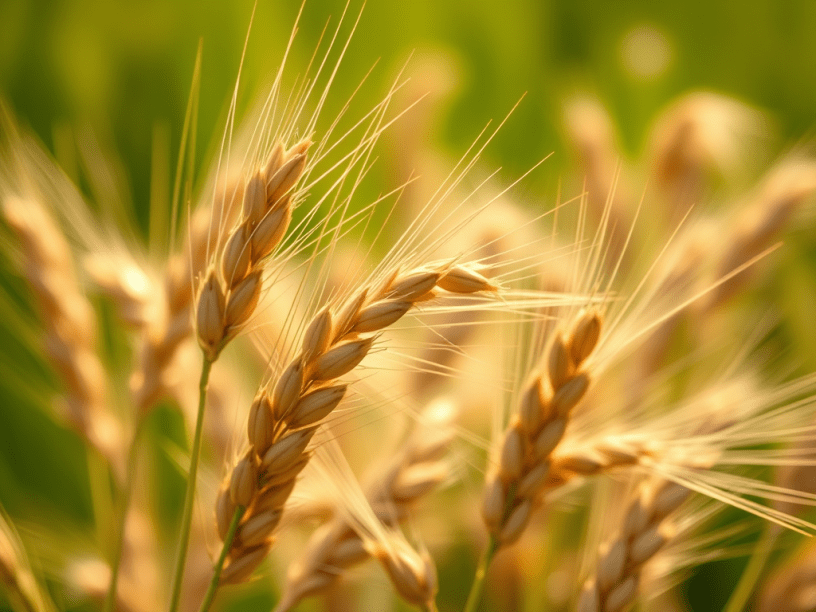
Disclaimer: WPS News does not endorse the use of barley as a cure or treatment for cancer. At this time, there is no scientific evidence to support these claims. This article is for informational purposes only and should not be taken as medical advice. Always consult with a qualified healthcare professional regarding your cancer treatment options.
Barley, a versatile grain boasting a long history of human consumption, has recently garnered renewed interest for its potential health benefits. Among these, anecdotal reports have surfaced suggesting barley may play a role in cancer treatment. While these stories offer hope, it’s crucial to distinguish between personal experiences and scientifically validated evidence.
For centuries, barley has been a staple food in various cultures. Rich in fiber, beta-glucans, and other essential nutrients, it has been linked to improved heart health, blood sugar control, and digestive function. However, the link between barley and cancer is a relatively new exploration, primarily driven by anecdotal evidence.
Cancer patients and their families often share stories online and in support groups about their experiences with alternative therapies, including barley. Some report positive outcomes, suggesting the grain may help manage side effects of chemotherapy or radiation treatment. Others claim barley consumption has even contributed to tumor shrinkage.
However, it’s important to understand the limitations of anecdotal evidence. These reports are often subjective and lack controlled scientific variables. Additionally, factors such as pre-existing health conditions, lifestyle choices, and the specific type of cancer can significantly impact individual responses to any treatment, including barley consumption.
Oncologist Dr. Maria Cruz, affiliated with the Philippine General Hospital, emphasizes the need for scientific rigor in cancer treatment. “While we appreciate the hope these anecdotal stories can offer, it’s vital to prioritize evidence-based medicine,” she states. “Rigorous clinical trials are essential to determine the safety and efficacy of any potential cancer treatment, including barley.”
Dr. Cruz acknowledges the potential benefits of barley for overall health but urges caution. “Barley offers a good source of fiber and other nutrients. It can be a healthy addition to a balanced diet,” she says. “However, there’s currently no scientific evidence to support its use as a specific cancer treatment. Patients should always discuss any alternative therapies with their doctor before incorporating them into their treatment plan.”
The growing interest in barley and cancer highlights the need for further research. Scientific studies exploring the potential mechanisms by which barley might impact cancer cells are underway. These investigations will hopefully provide a clearer picture of barley’s role in cancer management, if any.
In the meantime, patients diagnosed with cancer should prioritize evidence-based treatment options recommended by qualified healthcare professionals. Open communication with doctors regarding any dietary changes or alternative therapies is crucial for ensuring the safest and most effective course of treatment.
References and Links
Disclaimer: While we’ve provided links to reputable sources, it’s crucial to consult with healthcare professionals for personalized advice.
| Reference | Link |
|---|---|
| National Cancer Institute | https://www.cancer.gov/ |
| National Institutes of Health (NIH) | https://www.nih.gov/ |
| PubMed | https://www.ncbi.nlm.nih.gov/home/health/ |
| WebMD | https://www.webmd.com/ |
| Drugs.com | https://www.drugs.com/ |
| Frontiers in Nutrition | https://www.frontiersin.org/journals/nutrition |
Note: For the most accurate and up-to-date information, please refer to the official websites of these organizations.
Discover more from WPS News
Subscribe to get the latest posts sent to your email.
 WPS News