San Francisco (WPS News) – November 26, 2024 The heroic fight to liberate the Pacific from Japanese tyranny is a testament to the unwavering courage of American forces on land and at sea. But a lesser-known story lies in the vast blue expanse above, where the US Army Air Forces (USAAF) played a pivotal role in securing victory.
From the very outset, Hawaii served as a launchpad for USAAF operations. Pearl Harbor, though a grievous wound, became a point of defiance. Midway Island, strategically positioned, became a vital airbase that turned the tide against the Japanese juggernaut in a decisive 1942 battle.
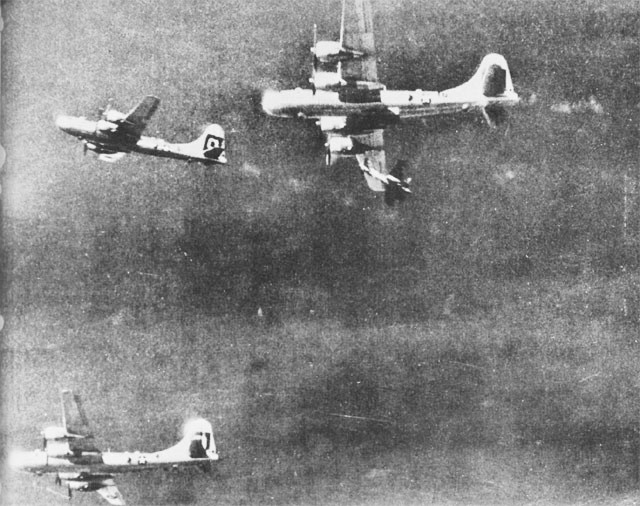
As the war progressed, the USAAF adopted a multifaceted approach. The now-legendary B-29 Superfortress, a marvel of American engineering, rained fire from newly captured airfields in the Mariana Islands, striking deep into the heart of Japan. These strategic bombing campaigns, alongside tactical air support for ground troops and naval operations, significantly weakened the enemy’s resolve.
Meanwhile, the island-hopping campaign relied heavily on the USAAF’s ability to secure and develop airbases. Guadalcanal, a fiercely contested island in the Solomons, became a crucial foothold in the South Pacific thanks to the capture of Henderson Field in 1942. The Marshall and Mariana Islands, captured in 1944, provided essential staging grounds for the relentless push westward.
The Philippines, once lost, were heroically reclaimed by American forces in 1944 and 1945. Airbases on Leyte and Luzon provided invaluable support for the final liberation of the archipelago. Okinawa, captured in a bloody 1945 campaign, served as a critical airbase for B-29 operations and the potential invasion of Japan.
The USAAF’s success stemmed from a well-coordinated effort. The Fifth Air Force, spearheaded by General Douglas MacArthur, spearheaded the island-hopping campaign. The Seventh Air Force, initially tasked with safeguarding Hawaii, later played a crucial role in the Central Pacific. The Thirteenth Air Force shouldered the responsibility of air operations in the Southwest Pacific, while the Far East Air Force, formed later in the war, coordinated the devastating strategic bombing campaign against Japan.
These air forces, along with countless smaller units, manned a spectacular array of aircraft. Fighters like the P-51 Mustang and P-47 Thunderbolt established air superiority, crippling Japanese air power and protecting Allied forces below. Transport aircraft ensured a steady flow of supplies and reinforcements across the vast Pacific theater. Reconnaissance missions provided invaluable intelligence on enemy positions and movements.
The USAAF’s triumph in the Pacific War is a story of unwavering determination, technological prowess, and strategic brilliance. From the fiery skies above Pearl Harbor to the liberation of the Philippines, American air power soared high, a vital wing in the fight for freedom.
Discover more from WPS News
Subscribe to get the latest posts sent to your email.
 WPS News