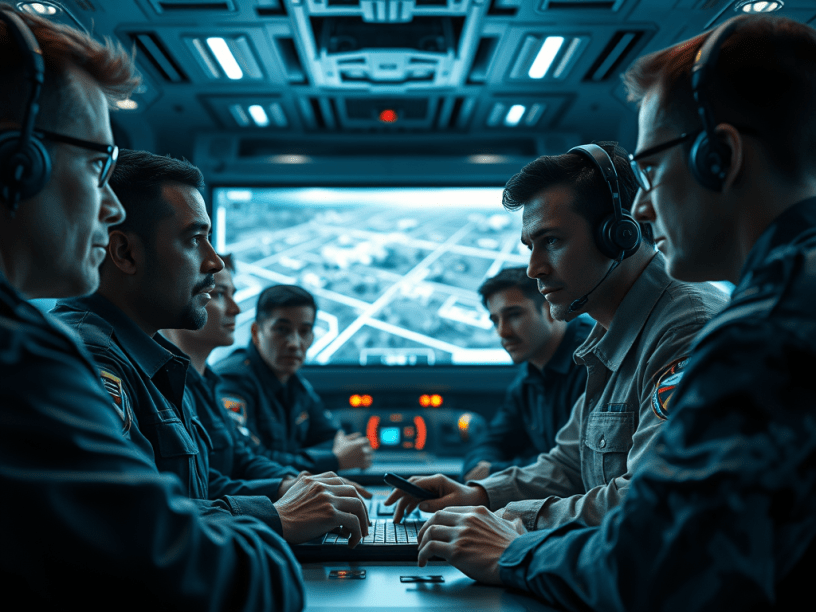
War and Peace in the Digital Age: Military Predictions for 2027
The future of warfare is a topic that constantly occupies the minds of global militaries. As technology advances at an unprecedented pace, strategic planners are forced to consider how these changes will impact the battlefield of tomorrow. Here at WPS.News, we set out to explore what predictions the world’s militaries are making for the year 2027.
The Rise of the Machines: AI and Automation
Many militaries foresee a future where Artificial Intelligence (AI) plays a significant role in warfare. Here are some potential applications:
- Autonomous Weapon Systems (AWS): Drones and other robotic platforms could become more autonomous, capable of making decisions on the battlefield with minimal human input. This raises ethical concerns surrounding accountability and the potential for unintended escalation.
- Advanced Logistics and Planning: AI could streamline military logistics, optimize resource allocation, and even assist in war game simulations and strategic planning.
- Cyberwarfare: AI could be used to automate cyberattacks, making them more sophisticated and difficult to defend against.
The Evolving Nature of Conflict
Military strategists anticipate the way wars are fought will continue to transform:
- Hybrid Warfare: The blending of conventional military force with cyberattacks, disinformation campaigns, and proxy conflicts is likely to become more commonplace.
- Gray Zone Operations: Activities that fall below the threshold of traditional war, such as using irregular forces or manipulating social media, could become more prevalent.
- Space and the High Frontier: As space becomes increasingly militarized, we might see competition for resources and potential conflict over critical infrastructure like satellites.
Challenges and Considerations
While advancements in technology offer new capabilities, they also present challenges:
- Vulnerability to Cyberattacks: Militaries are increasingly reliant on complex technological systems, making them susceptible to cyberattacks that could cripple communication networks and critical infrastructure.
- The Human Element: Despite technological advancements, human judgment and decision-making will remain crucial in the conduct of warfare.
- Maintaining Global Order: The rise of new military powers and the blurring lines between conventional and unconventional warfare could complicate efforts to maintain international peace and security.
Looking Ahead
The predictions gleaned from global militaries paint a picture of a future battlefield that is increasingly complex and technologically driven. It’s important to note that these are just forecasts, and the actual course of events could be quite different.
WPS.News will continue to monitor these developments and foster discussions about the responsible use of military technology. What are your thoughts on the future of warfare? Share your comments below!
Discover more from WPS News
Subscribe to get the latest posts sent to your email.
 WPS News