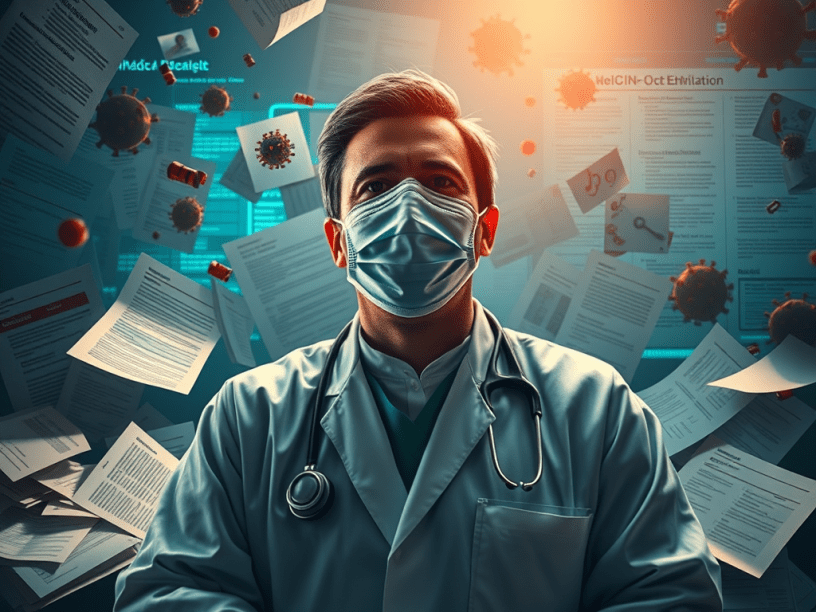
SARS-CoV-2
The COVID-19 pandemic caught the world off guard, and the medical community was no exception. As the virus swept across the globe, a series of missteps and lessons emerged.
Early Struggles
The early days of the pandemic were marked by uncertainty and logistical challenges. Limited testing capacity hindered efforts to identify and isolate infected individuals, allowing the virus to spread unchecked. Moreover, rapidly evolving scientific understanding led to frequent changes in treatment protocols, causing confusion among healthcare providers and the public.
The Infodemic Rages
A deluge of misinformation and disinformation further complicated the situation. False claims about the virus’s origins, severity, and treatment proliferated, sowing doubt in public health measures and hindering efforts to control the spread. Social media platforms became breeding grounds for conspiracy theories and harmful advice, exacerbating the problem.
The Silent Crisis
While the physical toll of the pandemic was evident, the mental health crisis often went unnoticed. Increased rates of anxiety, depression, and other mental health disorders were a direct consequence of the pandemic’s isolation, stress, and uncertainty. The initial focus on physical health often overshadowed the need for mental health support.
Learning from the Past
To prevent future missteps, the medical community must:
- Invest in Rapid Testing: Reliable and accessible testing is crucial for early detection and isolation, enabling swift public health responses.
- Standardize Treatment Protocols: Clear, evidence-based guidelines are essential for consistent and effective care, reducing confusion among healthcare providers and patients.
- Combat Misinformation: A multi-pronged approach involving medical professionals, media outlets, and social media platforms is needed to debunk false information and promote accurate health advice.
- Prioritize Mental Health: Mental health services must be readily available and accessible during public health emergencies, ensuring that the psychological well-being of individuals is prioritized alongside physical health.
The COVID-19 pandemic has been a harsh teacher, but it has also provided invaluable lessons. By acknowledging past mistakes, learning from them, and implementing proactive measures, the medical community can better prepare for future health crises and protect public health.
The one most important thing to remember COVID-19 is now with us forever.
Discover more from WPS News
Subscribe to get the latest posts sent to your email.
 WPS News