November 29, 2024
By Cliff Potts, WPS.News Editor-in-Chief
West Philippine Sea – On November 29, 2024, the West Philippine Sea region witnessed a series of developments that escalated existing tensions, particularly around Scarborough Shoal and Second Thomas Shoal. Throughout the day, varying weather conditions also influenced maritime activities.
Weather Conditions
Starting early in the morning, the weather in the region was characterized by overcast skies, with light rain expected as the day progressed. According to the Philippine Atmospheric, Geophysical, and Astronomical Services Administration (PAGASA), wind speeds ranged from 10 to 15 knots, creating moderately challenging conditions for fishing vessels and military operations alike. By late afternoon, reports indicated increasing gusts, with weather advisories issued for localized thunderstorms, which could affect naval patrols and fishing activities in contested waters.
Military Movements and Diplomatic Tensions
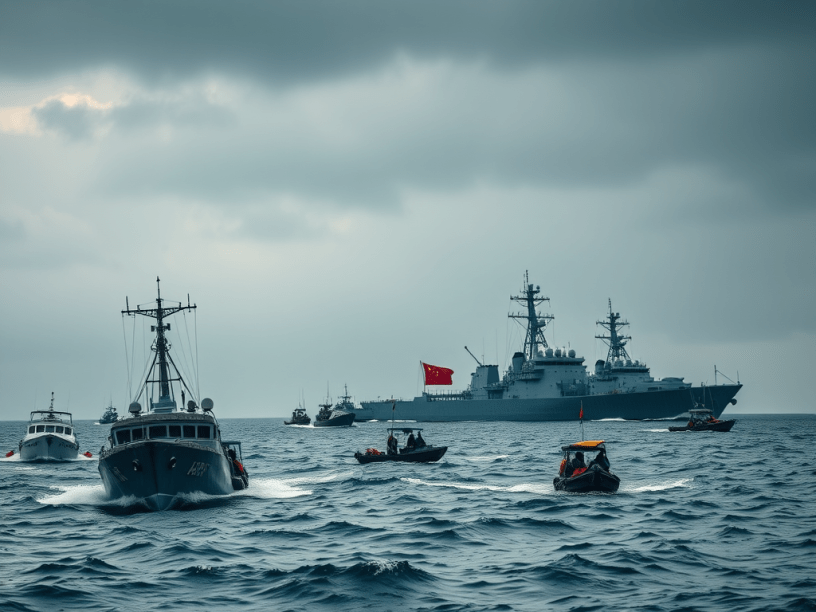
The Philippine Navy reported heightened patrolling activities near Scarborough Shoal, where a small flotilla of Chinese vessels was observed maintaining a persistent presence. Analysts suggest that these movements may be aimed at reinforcing Beijing’s claims to the area, which is a traditional fishing ground for Filipino fishermen.
Reports from government officials note that Filipino vessels attempting to engage in fishing activities were confronted by the Chinese Coast Guard, resulting in a standoff that lasted several hours. Witnesses claimed that aggressive maneuvers and warning shots were exchanged, underscoring the ongoing dispute over sovereignty in this rich marine territory.
In a separate but related incident, at Second Thomas Shoal, the Philippine Government reaffirmed its commitment to a military presence on the dilapidated BRP Sierra Madre, which has become a symbol of the country’s assertion over the area. A statement from the Department of National Defense emphasized that the Philippines would continue to support its troops stationed there, despite increasing pressure from China.
International Reactions
The United States government issued a statement calling for calm in the region and reaffirming its commitment to mutual defense agreements with the Philippines. In a coordinated response, key allies in the Asia-Pacific region, including Japan and Australia, expressed their concern over the escalating tensions and urged all parties to respect international law, specifically the United Nations Convention on the Law of the Sea (UNCLOS).
Experts suggest that the combination of military posturing, the continuing presence of foreign vessels in the region, and the unpredictability of weather conditions could lead to further confrontations in the coming days. Diplomatic avenues are being explored, with calls for an urgent meeting among ASEAN members to address maritime security concerns.
Conclusion
As night fell over the West Philippine Sea, uncertainty loomed not only regarding the weather but also the delicate balance of regional security. Fisherfolk anxiously awaited the outcome of the confrontations, knowing that their livelihoods are directly affected by these geopolitical tensions. The events of November 29, 2024, serve as a reminder of the complexities and stakes involved in one of the world’s most contested maritime regions.
For ongoing updates, stay tuned to WPS.News as we continue to provide comprehensive coverage on the situation in the West Philippine Sea.
Discover more from WPS News
Subscribe to get the latest posts sent to your email.
 WPS News