J.J. Slade
December 10, 2024
Baybay City, Philippine
China’s approach towards Vietnam is marked by a notable caution, a strategy rooted significantly in the painful lessons learned from the Sino-Vietnamese War of 1979, where Vietnam decisively resisted Chinese aggression and dealt a sharp blow to Beijing’s military ambitions. This historical clash served as a stark reminder for China, instilling a sense of prudence in its interactions with its northern neighbor. The fear of rekindling such fierce hostilities keeps China in check and dissuades it from overtly aggressive moves against Vietnam.
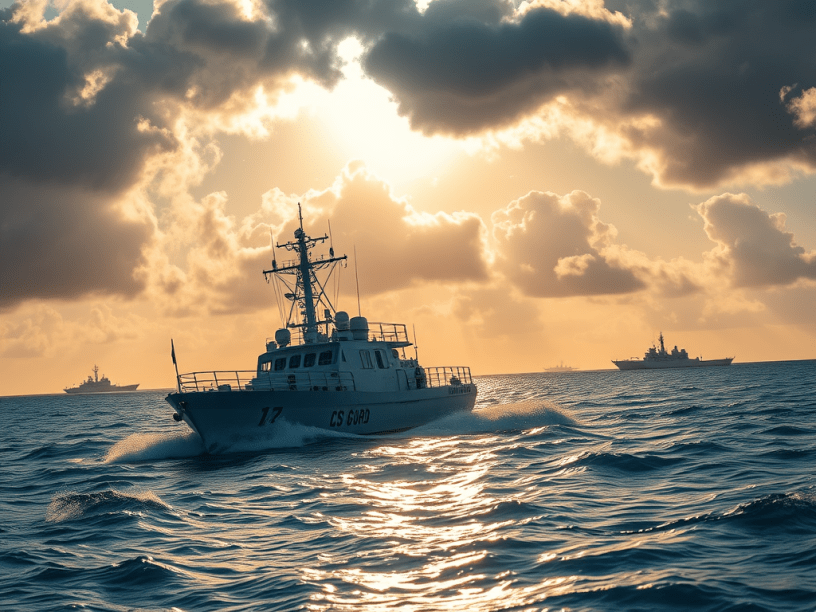
In light of this, the Philippines might need to draw inspiration from Vietnam’s resilience during that conflict. In defending our maritime interests in the West Philippine Sea, a more assertive stance against Chinese incursions could be necessary. While our Exclusive Economic Zone (EEZ) may be classified as open water according to international law, the United Nations Convention on the Law of the Sea (UNCLOS) grants the Philippine Coast Guard the authority to protect our fisherfolk and uphold their rights as if they were on sovereign Philippine territory.
When faced with aggressive actions from China, the Philippines has every right to respond decisively, ensuring the safety and rights of its citizens. Drawing on the example of Vietnam, reinforcing our commitment to defend our waters could send a clear message: that the Philippines stands resolute against intimidation and intrusion, echoing the notion that we, too, can protect our national interests with vigor. In doing so, we not only safeguard our resources but also assert our position on the geopolitical chessboard of the South China Sea, challenging China’s narrative of dominance in the region.
Discover more from WPS News
Subscribe to get the latest posts sent to your email.
 WPS News