By Cliff Potts, Editor & Chief
Dateline: Baybay City, Philippines, 12/17/2024
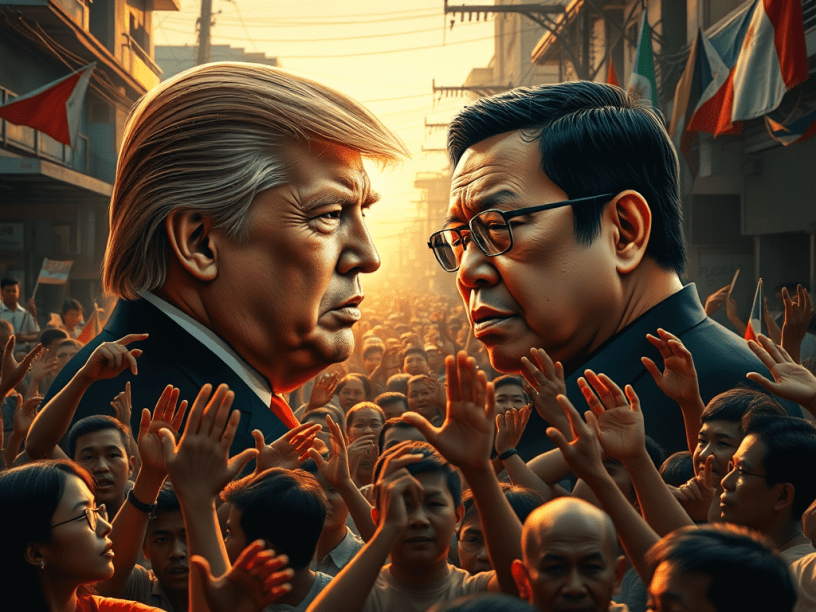
In the vibrant and politically charged landscape of the Philippines, the figures of Donald Trump and Rodrigo Duterte emerge as savior-like icons to segments of the population, perceived in some circles with a reverence akin to religious figures such as Jesus Christ or Buddha. This phenomenally complex dynamic stems from a multiplicity of factors deeply rooted in cultural, political, and societal contexts.
Critique of American Influence
Anti-American sentiment is a driving force behind the veneration of Trump and Duterte by some Filipinos. Both leaders have openly criticized traditional American influence, resonating particularly well among those disenchanted by what they view as the inadequacies of U.S. foreign policy. This alignment with anti-imperialistic views fosters a collective empowerment, reinforcing their national identity and providing a sense of solidarity among those seeking greater autonomy from perceived external control.
Battle Against Corruption
Duterte’s unwavering campaign against corruption has struck a profound chord within the nation. His fervent stance against graft and entrenched governmental malpractices paints him as a beacon of hope, a figure willing to confront systemic issues that many believe have long plagued their society. This crusade for justice and reform evokes a strong response from citizens yearning for transformation, further elevating Duterte’s status as a salvific leader.
Law and Order Emphasis
The steadfastness of Duterte’s policies on crime and drug issues, albeit controversial, appeals to Filipinos who prioritize security and order. His robust enforcement strategies are perceived by some as essential to tackling societal dysfunctions, endearing him to those who see him as a paternal figure safeguarding their interests. This personal connection underpins his portrayals as a guardian of societal well-being, despite the contentious nature of his methods.
Charismatic Leadership in Cultural Context
In a cultural backdrop where charismatic leadership holds storied significance, Duterte’s and Trump’s appeal is magnified. Historically, Philippine leaders who exude strength and decisiveness often achieve near-mythical statuses. This cultural proclivity feeds into the narrative of these leaders as superhuman figures, representing collective aspirations and frustrations. Their larger-than-life personas resonate deeply, aligning with a cultural preference for authoritative, energetic leaders.
Populist Rhetoric
Employing potent populist rhetoric, both Trump and Duterte position themselves as champions of the marginalized and the disillusioned. Their narrative, imbued with a repudiation of elite dominance and established political norms, galvanizes a fervent emotional connection with supporters. This strategy bolsters their image as liberators or saviors to a populace fatigued by inequality and out-of-touch governance.
Strain Theory Analysis
From the perspective of Strain Theory, the perception of Trump and Duterte as savior figures can be linked to societal stressors and perceived failures of traditional structures in addressing grievances. Strain Theory, which posits that societal pressures can lead to deviance or alternative social alignment, helps explain why many Filipinos latch onto these figures, seeing them as outsiders who can provide the societal adjustments needed to alleviate these pressures.
Neutralization Theory Consideration
Neutralization Theory also plays a role in rationalizing support for Trump and Duterte, despite their polarizing approaches. Supporters may use techniques of neutralization such as denial of responsibility or appeal to higher loyalties to justify their backing. Duterte’s and Trump’s controversial policies and rhetoric could be excused under the belief that these measures are necessary evils serving a greater good—filially bound loyalties toward preserving national integrity or combating corruption override conventional moral disputes.
The complexity of leadership perception in the Philippines underscores how personal and communal narratives shape political identities. The phenomenon of reverence displayed toward Trump and Duterte illustrates how deeply fragmented interpretations of leadership can produce vastly different assessments of their impact and legacy. As the country’s socio-political fabric continues to evolve, understanding these narratives becomes crucial to unpacking the diverse ideology influencing Filipino political discourse.
In the ongoing dialogue on political identity and legacy, the stories of Trump and Duterte highlight not only the heterogeneity of opinion but also a deeper reflection on how political figures can transform, inspire, and polarize societies engaged in a perpetual quest for leadership that aligns with their hopes and aspirations.
Discover more from WPS News
Subscribe to get the latest posts sent to your email.
 WPS News