As the year draws to a close, cultures around the world prepare to welcome the new year with unique traditions. In the Philippines, New Year’s Eve, known as “Noche Buena” (literally “Good Night”), is a vibrant celebration overflowing with customs, delicious food, and a strong sense of family togetherness. From symbolic feasts to noise-filled rituals, Filipino traditions go beyond just a party; they represent hopes for prosperity, good luck, and a fresh start in the coming year.
Media Noche: A Feast Fit for a New Beginning
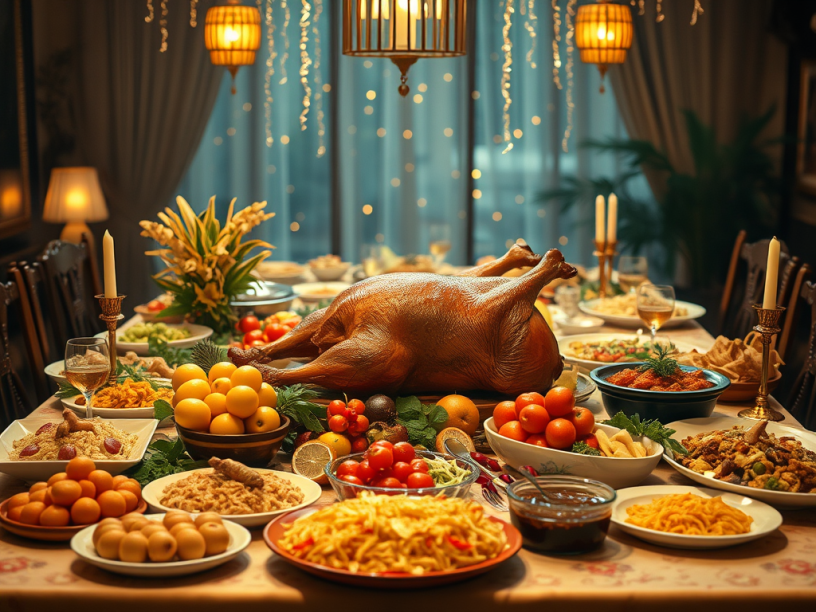
At the heart of Filipino New Year’s Eve lies the Media Noche, a lavish midnight feast enjoyed by families and friends as the clock strikes twelve. This celebratory spread is a visual representation of abundance, signifying Filipinos’ wishes for a prosperous year ahead. The table groans under the weight of a variety of dishes, each with its own symbolic meaning. Popular choices include:
- Twelve Round Fruits: Representing the twelve months of the year, a selection of round fruits like grapes, oranges, and watermelons is a must-have. Filipinos believe that partaking in these fruits throughout the night will bring good luck and prosperity in each month.
- Pancit: Long noodles symbolize long life and good health, making pancit, a stir-fried noodle dish, a staple on the Media Noche table.
- Sticky Rice (Biko or Bibingka): Sticky rice cakes like biko (made with coconut milk and brown sugar) and bibingka (a savory rice cake) represent togetherness and a strong bond within the family. Their glutinous nature signifies that good luck will “stick” throughout the year.
- Lechon (Roasted Pig): A whole roasted pig, a symbol of festivity and abundance, is a centerpiece for many Filipino celebrations.
Lucky Traditions: Ushering in Good Fortune
Beyond the delicious feast, Filipinos incorporate numerous traditions believed to bring good luck and ward off evil spirits:
- Wearing Polka Dots: Filipinos believe that anything round signifies prosperity. So, wearing clothes with polka dots becomes a popular custom on New Year’s Eve, with the hopes of attracting good fortune in the coming year.
- Noisemaking: A cacophony of sounds erupts at midnight as Filipinos make as much noise as possible. Firecrackers, car horns, pots and pans being banged together, and even just loud shouts all contribute to this tradition. The belief is that the noise drives away any lingering bad luck or evil spirits, ensuring a fresh start for the new year.
- Opening Doors and Windows: Filipinos believe that by leaving doors and windows open at midnight, they welcome good fortune and positive vibes into their homes for the new year. This symbolic act allows them to embrace the hope and prosperity they wish for.
- Debt Settlement: Filipinos strive to settle any outstanding debts before the new year arrives. This tradition is based on the belief that starting the year debt-free will lead to better financial luck in the coming months.
Unique Customs: Adding a Touch of Whimsy
Filipino New Year’s Eve traditions also involve some lighthearted customs that add a touch of whimsy to the festivities:
- Jumping at Midnight: Especially popular with children, jumping as the clock strikes twelve is said to bring good luck and growth in the coming year. This lighthearted tradition injects a dose of fun and excitement into the celebrations.
- Round Coins and Pockets Full: Filipinos believe that having pockets full of coins, or even scattering coins around the house, will attract financial abundance in the new year. The round shape of the coins again symbolizes prosperity.
Beyond Traditions: A Celebration of Family and Renewal
While traditions play a significant role in Filipino New Year’s Eve celebrations, the core focus remains on family and togetherness. Noche Buena is a time for families to gather, reconnect, and reflect on the past year. Sharing stories, laughter, and a delicious feast strengthens family bonds and creates lasting memories.
The Filipino New Year’s Eve traditions go beyond mere superstitions; they represent the hopes and aspirations of a nation. From the symbolic food to the noise-making customs, each tradition embodies a desire for prosperity, good health, and a fresh start. As Filipinos ring in the new year, they do so with a sense of optimism, a deep respect for tradition, and a heart full of hope for the year ahead.
Discover more from WPS News
Subscribe to get the latest posts sent to your email.
 WPS News