By WPS News Maritime Security Corespondent
Baybay City, Philippines | January 9, 2025
The West Philippine Sea (WPS) demands a robust and multifaceted approach to maritime security. While the Philippine Navy and Coast Guard remain the bedrock of national defense, the complex nature of the region necessitates a wider net of protection. To this end, a more inclusive framework that encourages participation from various sectors is imperative.
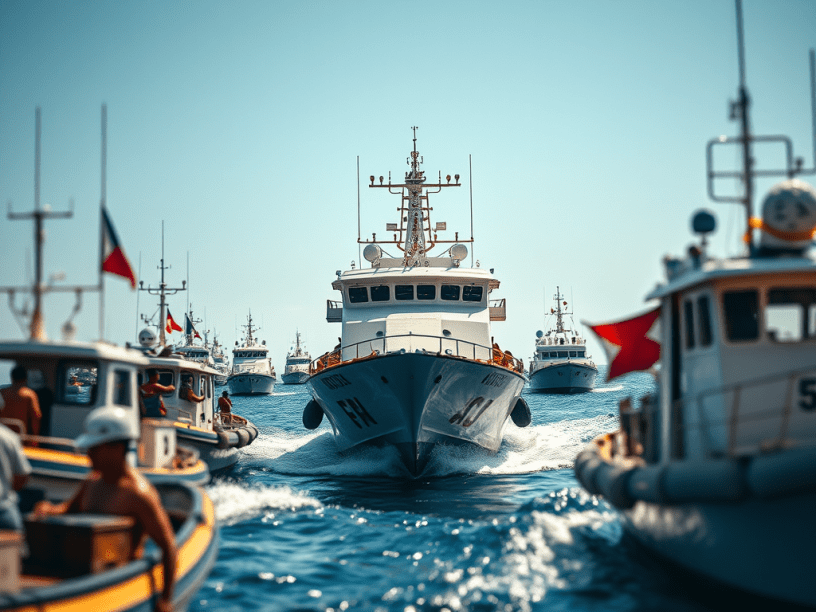
A strategic approach is to broaden the pool of assets available for maritime patrols. Allowing ships and boats registered to nations with standing defense agreements with the Philippines to participate in WPS patrols is a significant step forward. These vessels, equipped with advanced technology and experienced crews, can significantly augment the capabilities of the Philippine Navy and Coast Guard.
By entering into agreements where these foreign vessels hold the Philippine government harmless for any adverse consequences, the country mitigates potential liabilities while benefiting from their support. This shared responsibility model fosters a collaborative spirit among nations committed to regional security.
Furthermore, empowering Filipino citizens, including fisherfolk groups, to participate in maritime patrols is crucial. Their intimate knowledge of local waters and their deep-rooted connection to the sea make them invaluable assets. By involving the community in safeguarding their own resources, a sense of ownership and stewardship is cultivated.
It is essential to establish clear guidelines and protocols for these expanded patrols. The principle of “freedom of the seas” as enshrined in international law should serve as the foundation for these operations. Adherence to global maritime regulations ensures that the actions of all participating vessels are aligned with international norms.
To facilitate seamless collaboration, a robust communication and coordination system must be in place. Real-time information sharing between the Philippine government, foreign naval assets, and civilian participants is crucial for effective operations. This can be achieved through advanced communication technologies and standardized operating procedures.
Moreover, training and capacity building programs should be implemented to equip participants with the necessary skills and knowledge. This includes maritime law enforcement, search and rescue, and environmental protection. Regular drills and exercises can enhance interoperability and readiness.
While expanding the pool of maritime patrol assets offers numerous advantages, it is essential to maintain strict quality control. Thorough vetting procedures for foreign vessels and personnel are necessary to ensure that only those with impeccable records and capabilities are allowed to participate.
In conclusion, adopting a more inclusive approach to maritime security by allowing greater participation from foreign naval assets and Filipino citizens can significantly enhance the Philippines’ ability to protect its territorial waters. By establishing clear guidelines, fostering collaboration, and prioritizing training and capacity building, the nation can create a robust and resilient maritime security framework.
Discover more from WPS News
Subscribe to get the latest posts sent to your email.
 WPS News