By, WPS News History Correspondent
Baybay City | January 9, 2025
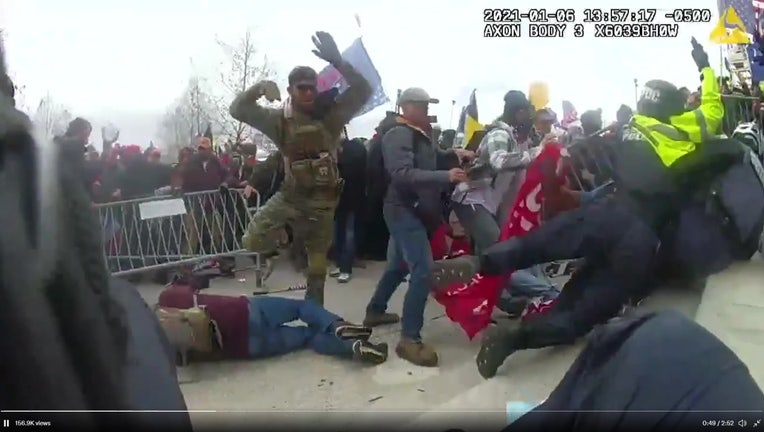
As debates continue over the potential pardoning of those involved in the January 6 Capitol insurrection, it’s crucial to examine the implications of such actions on justice and national unity. While some argue that pardoning these individuals could foster reconciliation in a divided America, a closer analysis reveals several compelling reasons why this approach might be more harmful than healing.
Justice and Accountability
The principle of justice demands that the rule of law be applied uniformly, regardless of an individual’s status or political ties. Pardoning the insurrectionists risks undermining this principle by potentially establishing a precedent where acts of political violence are forgiven rather than appropriately addressed. Real national healing stems from holding people accountable for actions that threaten democratic institutions, ensuring that justice prevails.
Lessons from History
Historical precedents warn against the dangers of ignoring or forgiving insurrectionist actions. The post-Civil War era saw the failure to adequately address Confederate secessionism, leading to the rise of Jim Crow laws and perpetuating racial and regional divisions. January 6, 2021, marks a day that challenged America’s democratic foundations, echoing past conflicts. Ignoring the insurrection might lead to a similar entrenchment of division rather than reconciliation.
Equal Justice Under the Law
A just society is one where individuals are treated equally in the eyes of the law. Pardoning those involved in the Capitol breach while others face severe penalties for lesser infractions could deepen perceptions of inequality within the justice system. Such actions may aggravate existing societal rifts by conveying a message that power and connections can overshadow justice.
Ethical Considerations and Future Risks
Granting pardons to individuals who sought to disrupt the democratic process signals a tolerance for such behavior, potentially encouraging future attempts to undermine democratic institutions. Upholding moral and ethical standards is essential in deterring political violence and safeguarding democracy.
The Path Forward
To genuinely heal and unify, America must explore alternatives that uphold justice and accountability while addressing underlying grievances. Initiatives such as truth and reconciliation commissions could provide a platform for dialogue and healing without compromising the integrity of the legal system.
In conclusion, while the notion of pardoning January 6 insurrectionists may seem like a step towards national reconciliation, it risks emboldening future acts against democracy and deepening societal divides. By prioritizing justice and accountability, America can work towards a more equitable and unified future.
Discover more from WPS News
Subscribe to get the latest posts sent to your email.
 WPS News