By, WPS News Staff Reporters
Baybay City | January 10, 2025
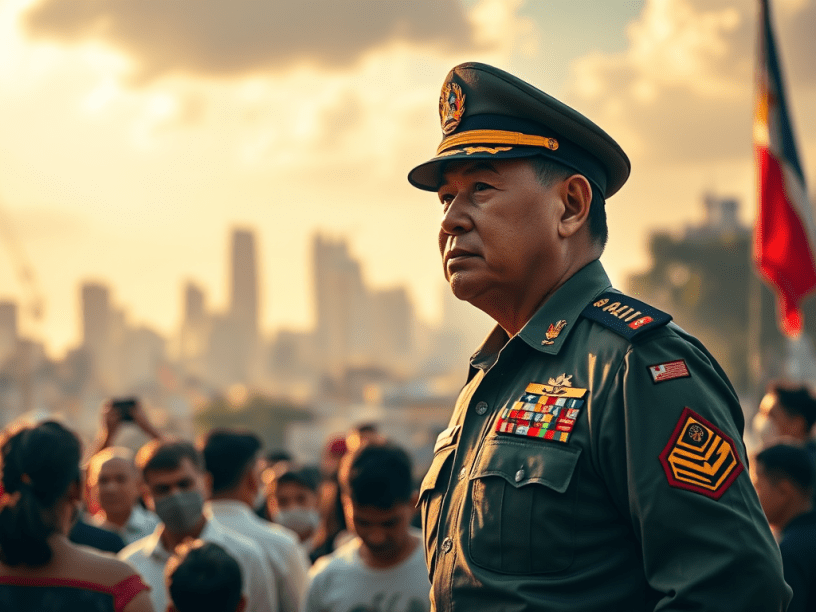
Recently, the Chief of the Armed Forces of the Philippines (AFP) made an important statement: “A coup won’t solve the Philippines’ problems1.” This comment comes at a time when the political situation in the country is very tense, with many people feeling unhappy and frustrated with their government. It emphasizes the need to find real solutions to the problems facing the nation through democratic means instead of military action.
One major issue is the economy. Many Filipino citizens are struggling with rising prices, making it hard for families to make ends meet. This situation has led to poverty and inequality, where some people are very wealthy while others are in need. Since the COVID-19 pandemic began in 2020, the economy faced significant challenges, including a sharp decline in growth. In 2020, the country’s economy shrank by 9.5%, which meant many businesses closed, and jobs were lost.
However, the Philippines has shown remarkable recovery since then. By 2021, the Gross Domestic Product (GDP) rebounded, growing by about 5.7%. In 2022, the economy grew even more, reaching a rate of 7.6%. This recovery has allowed some businesses to reopen and people to regain employment. Despite this progress, post-COVID inflation has become a global concern, affecting many countries, including top global economies like the USA and China. Rising prices have hit almost everyone, and the Philippines is no exception. As people try to cope with these economic challenges, they are demanding better government support and effective policies that can help create jobs and ensure everyone has what they need to live comfortably.
Trust in the government is another big concern. Many citizens feel that their leaders are not doing enough to respond to their needs. The lack of transparency and accountability in government actions has caused many people to become frustrated and disillusioned. This sense of disappointment has resulted in discussions about extreme measures, including the idea of a military coup to force changes in leadership.
However, the history of military coups in the Philippines serves as a cautionary tale. Past military interventions have led to long periods of chaos and suffering, showing that trying to solve problems through force usually makes things worse. The AFP Chief’s reminder of this history encourages everyone to seek solutions through communication and democratic processes instead of resorting to violence.
Currently, President Ferdinand “Bongbong” Marcos Jr. is facing challenges both internationally and domestically. He is working to manage tough issues like territorial disputes in the South China Sea while also trying to improve the country’s economy after the global pandemic. Citizens want and expect him to take action to address these challenges effectively and transparently.
Moreover, social unrest is a rising concern. Many groups are protesting against things like human rights abuses and discrimination. They want the government to listen to their voices and address their concerns. As people protest, the conversation about whether a military action could bring needed changes has resurfaced.
The words of the AFP Chief reflect the feelings of many Filipinos who want solutions through discussion rather than force. He encourages everyone to come together to find answers to their problems. By focusing on teamwork and open conversations, the country can work towards stability and healing.
In conclusion, the Philippines has a chance to strengthen its democracy and address these significant issues through dialogue and reform. Coping with challenges together as a united nation can create a brighter future for all Filipinos, and dealing with problems through peaceful means is the best way to ensure lasting change.
Discover more from WPS News
Subscribe to get the latest posts sent to your email.
 WPS News