By WPS News Health Corespondent et al
Baybay City, Philippines | January 10, 2025
Cancer, a disease that sends shivers down spines, disrupts lives, and fuels constant research. While mutations in our own genes play a significant role, a lesser-known culprit often lurks in the shadows: viruses. This essay delves into the fascinating, complex connection between viruses and cancer, exploring how these tiny invaders can hijack our cells and push them towards uncontrolled growth.
Viruses 101: Masters of Deception
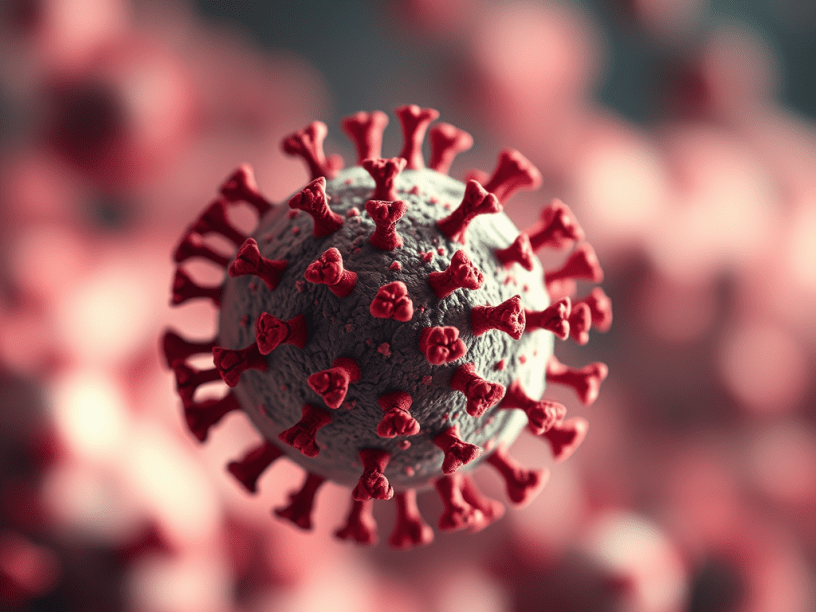
Imagine microscopic packets of genetic material, either DNA or RNA, wrapped in a protein coat. That’s the basic structure of a virus. These entities can’t survive on their own. They are obligate intracellular parasites, meaning they need to invade a host cell to replicate. Once inside, they cleverly exploit the cell’s machinery to make copies of themselves, eventually bursting the cell and spreading to infect others.
The Viral Arsenal: Tools for Takeover
Viruses are equipped with various tools to gain entry and manipulate the host cell. Some have proteins that bind to specific receptors on the cell surface, tricking it into letting them in. Others have enzymes that dissolve the cell membrane, creating a forced entry point.
Once inside, the virus injects its genetic material, hijacking the cell’s protein-making machinery. This machinery, normally used to create proteins essential for the cell’s function, is now forced to churn out viral proteins instead. These viral proteins serve two main purposes:
- Replication: Some viral proteins help create new copies of the viral genome.
- Assembly: Other viral proteins help package the newly created genomes into new virus particles.
The infected cell, now a viral factory, produces more and more virus particles until it reaches a breaking point. The cell bursts open, releasing the new viruses to infect other cells. This cycle of infection, replication, and cell death is what causes the symptoms associated with viral diseases, like the common cold or the flu.
Viruses and Cancer: When the Hijacking Goes Wrong
Now, let’s add a twist to the story. Some viruses, instead of simply replicating and bursting the cell, integrate their genetic material into the host cell’s DNA. This embedded viral DNA is called a provirus. The provirus can remain dormant for a long time, replicating along with the host cell during cell division. However, under certain conditions, the provirus can become activated.
When a provirus becomes active, it can disrupt the normal functioning of the host cell in several ways:
- Oncogenes: Some viral genes act as oncogenes. These genes promote cell growth and division, a crucial step in cancer development.
- Tumor Suppressor Genes: Viruses can also inactivate tumor suppressor genes, which normally act as brakes on cell division. Without these brakes, cells can divide uncontrollably.
- Cell Cycle Disruption: Viruses can interfere with the cell cycle, the tightly regulated process by which cells grow and divide. This disruption can lead to uncontrolled cell growth.
Examples of Viruses Linked to Cancer
Several viruses have been linked to different types of cancer. Here are some prominent examples:
- Human Papillomavirus (HPV): Responsible for cervical cancer, some head and neck cancers, and genital cancers.
- Hepatitis B Virus (HBV) and Hepatitis C Virus (HCV): Associated with liver cancer.
- Epstein-Barr Virus (EBV): Linked to Burkitt’s lymphoma, nasopharyngeal carcinoma, and Hodgkin’s lymphoma.
- Human T-lymphotropic Virus Type 1 (HTLV-1): Causes Adult T-cell leukemia/lymphoma.
The Fight Back: Vaccines and Treatments
The discovery of the viral link to certain cancers has opened doors for prevention and treatment strategies. Vaccines against HPV, HBV, and HCV are highly effective in preventing these viruses and, consequently, the cancers they can cause. Additionally, researchers are developing antiviral drugs that target specific steps in the viral life cycle, potentially reducing the risk of virus-induced cancers.
Beyond the Basics: The Complexities of the Virus-Cancer Connection
It’s important to note that the virus-cancer connection is not a simple cause-and-effect relationship. Several factors can influence whether a virus infection leads to cancer:
- The type of virus: Not all viruses have the potential to cause cancer.
- The immune system: A strong immune system can effectively eliminate virus-infected cells before they become cancerous.
- Genetic predisposition: Certain genes can increase an individual’s susceptibility to cancers caused by viruses.
- Environmental factors: Smoking, exposure to UV radiation, and other environmental factors can further increase the risk of cancer development in individuals infected with certain viruses.
Conclusion: A Multifaceted Battle
The link between viruses and cancer is a complex and multifaceted one. While viruses can play a significant role in triggering cancer development, it’s important to remember that it’s not the sole cause. Factors like individual genetics, immune system strength, and environmental influences also play crucial roles. By understanding this intricate relationship, scientists are making strides in developing preventive measures like vaccines and targeted treatments to combat virus-related cancers.
Definition:
An oncogene is a mutated gene that has the potential to cause cancer. Before an oncogene becomes mutated, it is called a proto-oncogene, and it plays a role in regulating normal cell division. (More)
Table of References and Source Material
| Topic | Reference | Source Link |
|---|---|---|
| Viruses | “What is a virus?” | https://www.cdc.gov/ |
| Viral Life Cycle | “How Viruses Work” | https://computer.howstuffworks.com/virus.htm |
| Viral Oncogenes | “Viral Oncogenes” | https://www.ncbi.nlm.nih.gov/pmc/articles/PMC6336458/ |
| Tumor Suppressor Genes | “Tumor Suppressor Genes” | https://www.ncbi.nlm.nih.gov/books/NBK532243/ |
| HPV and Cancer | “HPV and Cancer” | https://www.cancer.gov/about-cancer/causes-prevention/risk/infectious-agents/hpv-and-cancer |
| Hepatitis Viruses and Cancer | “Hepatitis B and C Viruses and Liver Cancer” | https://www.ncbi.nlm.nih.gov/pmc/articles/PMC9856776/ |
| EBV and Cancer | “Epstein-Barr Virus (EBV) and Cancer” | https://pmc.ncbi.nlm.nih.gov/articles/PMC9314235/ |
| HTLV-1 and Cancer | “Human T-cell Leukemia/Lymphoma Virus (HTLV-1)” | https://www.ncbi.nlm.nih.gov/pmc/articles/PMC3881257/ |
| Cancer Vaccines | “Cancer Vaccines” | https://www.cancer.gov/ |
| Antiviral Drugs | “Antiviral Drugs” | https://pmc.ncbi.nlm.nih.gov/articles/PMC7149618/ |
Additional Resources for Further Research:
- American Cancer Society: https://www.cancer.org/
- World Health Organization (WHO): https://www.who.int/about
- National Institutes of Health (NIH): https://www.nih.gov/
Discover more from WPS News
Subscribe to get the latest posts sent to your email.
 WPS News