WPS Staff Reporters
Baybay City | January 15, 2025
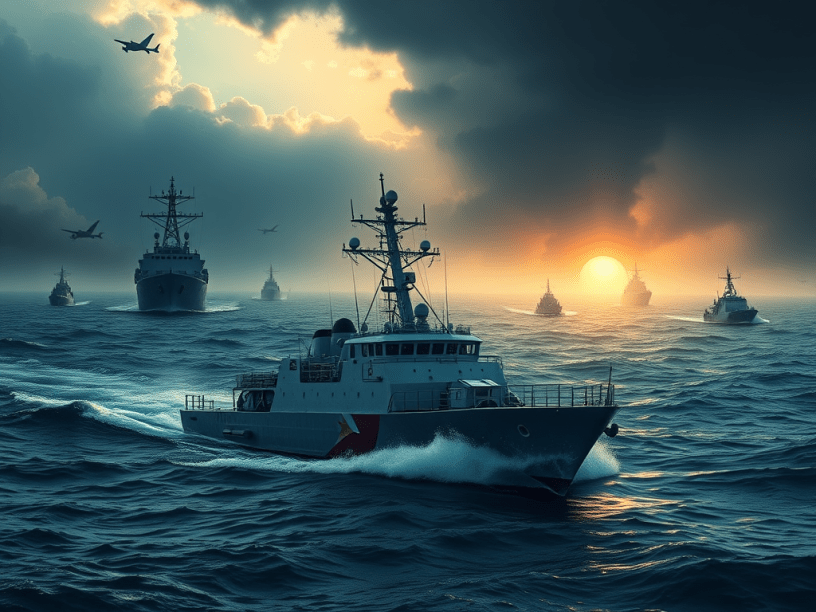
As the geopolitical landscape in the West Philippine Sea continues to shift, recent developments signal a troubling escalation in tensions between China and the Philippines. The presence of 251 Chinese vessels in contested waters, particularly around the strategically significant Scarborough Shoal, raises serious concerns about territorial sovereignty and regional stability.
American intelligence reports indicate that the Chinese Communist Party is actively employing both military and economic strategies to assert unrecognized territorial claims over the South China Sea. This aggressive posture has led to increased maritime confrontations and heightened risks of conflict. In response, the Philippines has deployed its coast guard vessels in an effort to reinforce its territorial claims, reflecting a determination to challenge any attempts by China to alter the status quo.
Analysts suggest that the Philippines holds a critical position in countering China’s objectives in the region. A recent agreement aimed at de-escalating tensions around the Second Thomas Shoal demonstrates a cautious approach to management, yet skepticism remains about China’s willingness to adhere to such accords.
In a broader context, the Philippine government, led by President Ferdinand Marcos Jr., has emphasized a zero-tolerance policy toward violations of territorial rights. His alignment with U.S. interests underscores the Philippines’ strategic ties, especially amid ongoing military activities surrounding Taiwan, where China has demonstrated increased aggressiveness.
As the Biden administration grapples with its Indo-Pacific strategy, the focus on mutual security and economic cooperation with regional allies remains paramount. However, potential shifts in leadership and subsequent policy decisions, particularly anticipated with former President Trump’s return, could significantly alter the diplomatic calculus in the region.
Historical lessons from World War II also resonate today, as they remind nations of the vulnerabilities faced during geopolitical conflicts. The Philippines must navigate this complex landscape carefully, balancing the need for assertive defense against the risks of igniting broader hostilities.
In light of these developments, it is crucial for the Philippine government to enhance naval patrols, strengthen international alliances, and actively engage in multilateral dialogues. By adopting a comprehensive approach, the Philippines can better fortify its stance in the West Philippine Sea and mitigate the threats posed by a more aggressive China.
Discover more from WPS News
Subscribe to get the latest posts sent to your email.
 WPS News