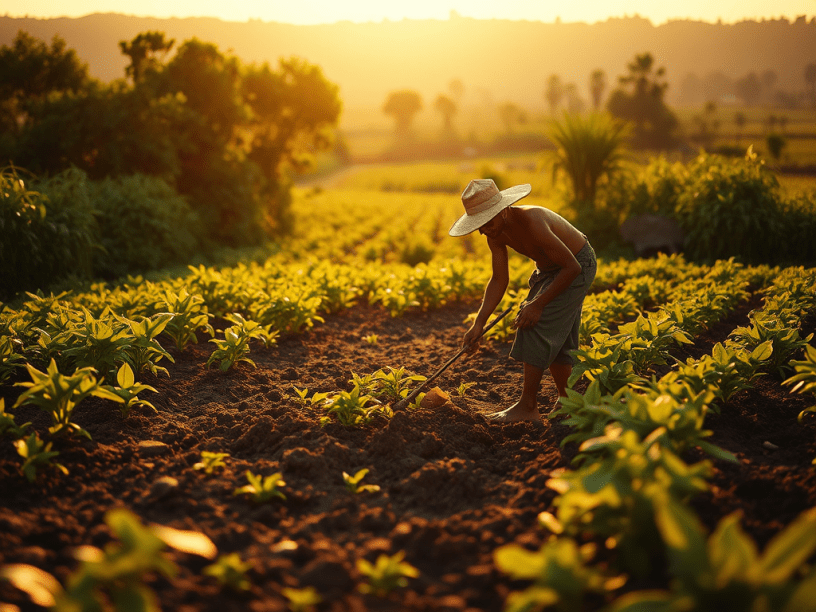
The Agricultural Revolution was a period of significant change in human history that occurred between 12,000 and 8,000 BCE. During this time, humans transitioned from a nomadic lifestyle of hunting and gathering to a settled lifestyle of farming. This shift had a profound impact on human society and led to the development of civilizations.
The Shift from Nomadic Lifestyles to Settled Farming Communities
For thousands of years, humans lived as hunter-gatherers. They moved from place to place in search of food and water. However, around 12,000 BCE, some groups of humans began to experiment with growing their own food. They learned to domesticate plants and animals, and they began to settle in one place.
The transition to farming was a gradual process. At first, humans continued to hunt and gather, but they also began to cultivate small patches of land. Over time, they became more reliant on farming for their food.
The Impact on Food Production
Farming allowed humans to produce more food than they ever had before. This led to a population explosion. In addition, farming made it possible for humans to store food for later use. This meant that they were no longer as vulnerable to famine.
Population Growth
The population of the world grew rapidly during the Agricultural Revolution. This was due in part to the increased food supply, but it was also due to the fact that settled communities were more stable than nomadic communities.
Conclusion
The Agricultural Revolution was a major turning point in human history. It led to the development of civilizations and the rise of complex societies.
Additional Resources
- The Agricultural Revolution
- The Neolithic Revolution
- From foraging to farming: the 10,000-year revolution
Discover more from WPS News
Subscribe to get the latest posts sent to your email.
 WPS News