By: WPS News Staff
Baybay City | January 22, 2025
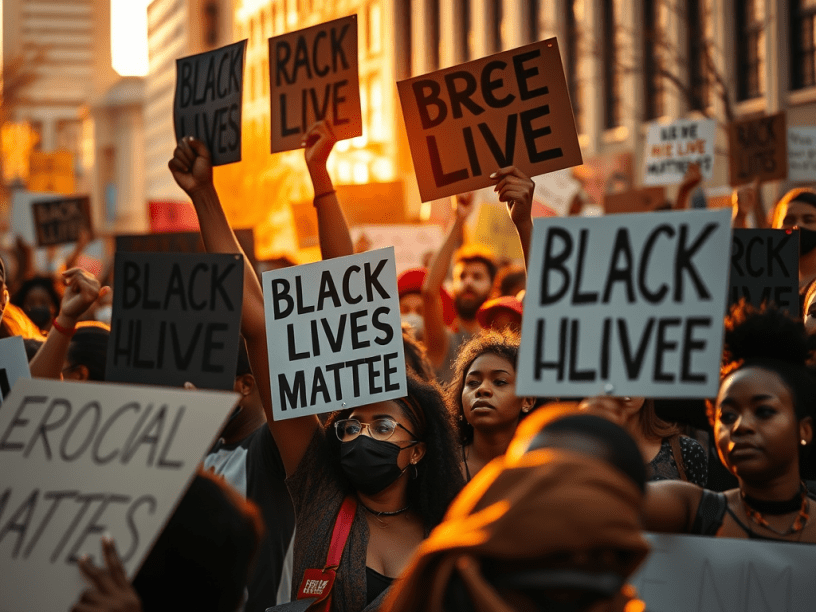
The Black Lives Matter (BLM) movement emerged in 2013, but it gained significant momentum after the protests that followed the police shooting of Michael Brown in Ferguson, Missouri, in August 2014. This incident ignited widespread demonstrations across the United States, highlighting issues of police brutality and systemic racism. Over the years, BLM has evolved into a global movement advocating for racial justice and equity, organizing protests, educational campaigns, and policy reform initiatives. The killing of George Floyd in May 2020 further galvanized public support for BLM, leading to one of the largest protest movements in U.S. history.
In the summer of 2020, the United States was engulfed in protests and civil unrest sparked by the tragic death of George Floyd. The Black Lives Matter movement gained unprecedented momentum, calling for justice and systemic change in policing and racial inequality. Amid this turbulent backdrop, former President Donald Trump’s rhetoric and handling of racial issues drew sharp criticism, with many asserting that his responses not only failed to address the issues at hand but also exacerbated the divisions within the nation.
From the outset, Trump’s approach to the protests was characterized by a refusal to engage with the underlying issues of systemic racism and police brutality. Instead, his administration focused on labeling protestors as “thugs” and threatening to deploy federal troops to cities experiencing unrest, a tactic that many viewed as incendiary. This rhetoric created a climate of fear and hostility, diverting attention from the reformations advocated by peaceful demonstrators.
Critics argue that Trump’s comments and actions during this pivotal moment revealed a deeper issue: his inability to unify what was, and continues to be, a deeply polarized nation. Rather than promoting dialogue or acknowledging the pain and frustrations of marginalized communities, his responses tended to deepen existing divides. Many felt a lack of empathy in his statements and actions, which only served to alienate those advocating for racial equality.
During the protests, Trump’s focus on law and order overshadowed the very real grievances being expressed by millions across the country. His insistence on a “Law and Order” message often drowned out calls for justice and reform. The former president’s social media platforms became a battleground for divisive commentary, further fuelling animosity among groups with varying perspectives on race relations. Consequently, his response failed to resonate with a significant portion of the population that yearned for unity, compassion, and dialogue.
Furthermore, Trump’s reactions were perceived as attempts to maintain his political base rather than an earnest effort to address the nation’s turmoil. This lack of genuine engagement with issues of racial injustice led many to question his commitment to healing the country. Books, articles, and media reports from that time highlight his apparent preference for stirring controversy to galvanize his supporters rather than seeking common ground.
In the months and years following the protests, the implications of Trump’s rhetoric are apparent. Racial tensions in the U.S. have continued to surface, revealing deep-seated divisions that many believe were exacerbated during his presidency. The events of 2020 have left a lasting mark on American society, challenging future leaders to reconcile these differences and address the systemic issues that persist.
As the nation evaluates its past and anticipates the future, the debate surrounding Trump’s handling of racial issues serves as a poignant reminder of the vital need for empathetic leadership and effective communication. Moving forward, a unified approach to racial discourse, one that recognizes the legitimacy of the movements for justice and equality, will be essential in navigating the complexities of America’s ongoing struggles with race.
In a time when the nation is in dire need of healing, hindsight offers an opportunity to learn from past failures and strive toward a more equitable future.
BLM has continued to push for institutional changes in policing and criminal justice, championing issues such as economic equity, voting rights, and dismantling oppressive systems. Today, the movement remains influential, engaging in ongoing advocacy and dialogues aimed at fostering racial equality and accountability.
Discover more from WPS News
Subscribe to get the latest posts sent to your email.
 WPS News