When was it first proposed?
The concept of “nuclear winter” was first introduced in the early 1980s. It gained significant public attention in 1983 with a groundbreaking paper published in the journal Science by a team of scientists often referred to as “TTAPS”: Richard P. Turco, Owen Toon, Thomas P. Ackerman, James B. Pollack, and Carl Sagan.
What is Nuclear Winter?
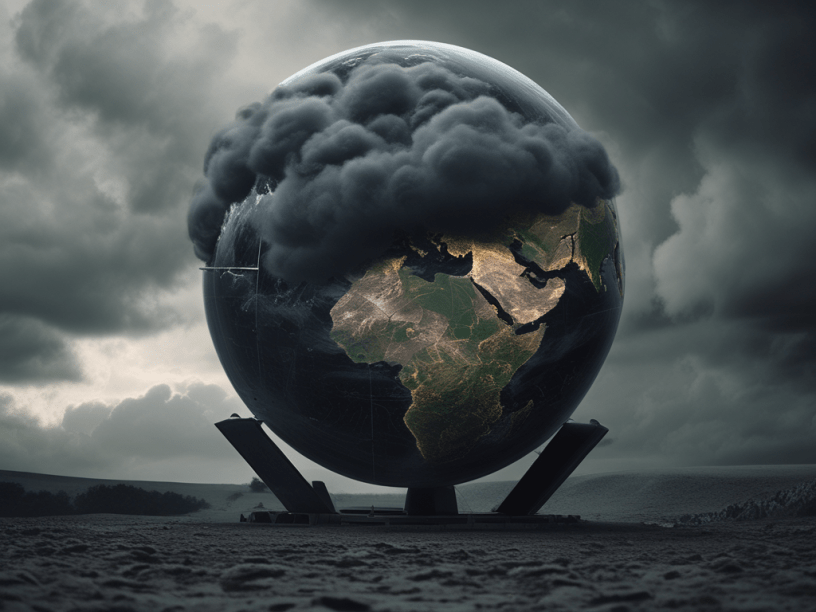
Nuclear winter is a severe and prolonged global cooling that could occur after a large-scale nuclear war. The theory suggests that massive fires ignited by nuclear explosions would inject vast amounts of smoke and soot into the atmosphere. This smoke would form a thick layer, blocking sunlight and causing global temperatures to plummet.
Potential Effects
The potential effects of nuclear winter are catastrophic:
- Global cooling: A significant drop in global temperatures, leading to crop failures and famine.
- Reduced sunlight: Disruption of photosynthesis, affecting the entire food chain.
- Ozone depletion: Increased exposure to harmful ultraviolet radiation.
- Acid rain: Contamination of water supplies and damage to ecosystems.
- Nuclear fallout: Contamination of land and water with radioactive materials.
It’s important to note that while the specific details of nuclear winter are still a subject of scientific debate, the overall concept remains a stark warning of the devastating consequences of nuclear war.
Discover more from WPS News
Subscribe to get the latest posts sent to your email.
 WPS News