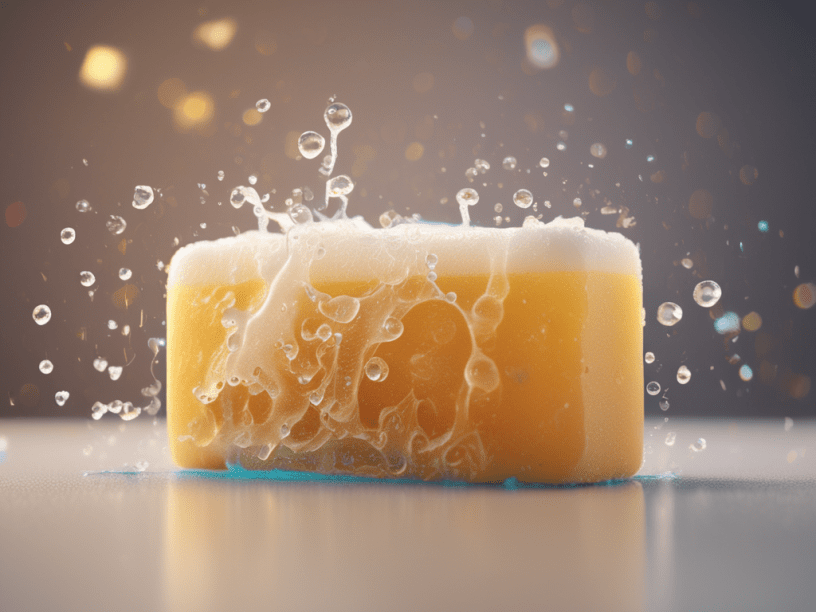
We often take it for granted, but soap is a powerful tool in our fight against germs. It’s the unsung hero of our daily hygiene routine, silently working to protect us from countless illnesses. But how exactly does this simple substance manage to kill the tiny invaders lurking on our hands?
The Science Behind Soap
Contrary to popular belief, soap doesn’t actually kill germs. Instead, it employs a clever strategy to remove them. Our hands are covered in a thin layer of oil and dirt, which acts as a sticky home for germs. Water alone isn’t enough to dislodge this greasy film and the bacteria clinging to it. This is where soap comes in.
Soap molecules have a unique structure. One end is attracted to water (hydrophilic), while the other is repelled by it (hydrophobic). When you lather up your hands, the hydrophobic end attaches to the oil and dirt on your skin, while the hydrophilic end interacts with the water. This creates tiny bubbles, or micelles, that encapsulate the germs and oil, lifting them away from your skin and down the drain when you rinse.
How Often and How Long to Wash Your Hands
While soap is incredibly effective, it’s important to use it correctly to maximize its benefits. The Centers for Disease Control and Prevention (CDC) recommends washing your hands:
* Before, during, and after preparing food.
* Before eating.
* After using the toilet.
* After changing a diaper or cleaning up a child who has used the toilet.
* After touching animals or pets.
* After touching garbage.
* After blowing your nose, coughing, or sneezing.
* After handling soiled items.
To ensure thorough cleaning, it’s essential to wash your hands for at least 20 seconds. This may seem like a long time, but it’s enough to effectively remove most germs. You can time yourself by singing the “Happy Birthday” song twice.
Conclusion
By understanding how soap works and following recommended handwashing practices, we can significantly reduce our risk of illness. So, the next time you lather up, take a moment to appreciate this simple yet remarkable substance. It’s a small action with a big impact on our health and well-being.
* http://www.scielo.org.za/scielo.php?script=sci_arttext&pid=S1999-76712019000100006
Discover more from WPS News
Subscribe to get the latest posts sent to your email.
 WPS News