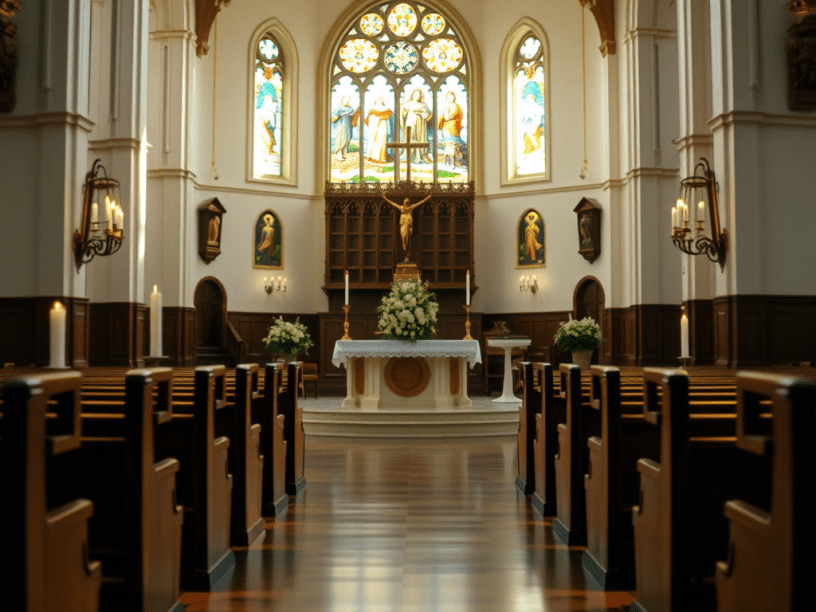
The Enduring Embrace: Why the Catholic Church Welcomes Wayward Catholics Back into the Fold
The Catholic Church, with its rich history and vast global community, has always grappled with the reality of “wayward Catholics” – those who have strayed from the teachings and practices of the faith. While such instances may raise concerns about the Church’s ability to retain its flock, a deeper understanding reveals a core belief: once a Catholic, always a Catholic. This essay explores why the Church doesn’t view these individuals with trepidation, but rather with a sense of enduring love and unwavering faith in God’s grace.
The Centrality of God’s Faithfulness
The Catholic faith rests on the unshakeable foundation of God’s faithfulness. The Old Testament is replete with stories of God’s unwavering love for his chosen people, the Israelites, despite their repeated infidelities. The Book of Hosea portrays God’s love for his wayward wife Gomer as an allegory for his relationship with Israel. Even after Gomer commits adultery, God declares, “I will allure her and lead her into the wilderness and speak tenderly to her” (Hosea 2:14). This unwavering love finds its ultimate expression in the New Testament with the sacrifice of Jesus Christ. Jesus, the embodiment of God’s love, willingly died for humanity’s sins, including the sins of those who may stray from the path. The Catholic Church views this sacrifice as a testament to God’s boundless love and forgiveness, extending to all who seek it, regardless of their past transgressions.
The Power of Sacraments and Grace
Catholicism emphasizes the importance of sacraments – outward signs instituted by Christ to convey his grace. Baptism, the first sacrament, marks a person’s entry into the Christian faith and establishes an indelible mark on the soul. According to the Catechism of the Catholic Church, “By Baptism all sins are forgiven, original sin and all personal sins, as well as all punishment for sin” (CCC 1263). This indelible mark signifies that a bond is formed between the individual and the Church, a bond that cannot be severed by human actions. The Church believes that even if someone strays from the faith, the baptismal grace remains within them, a potential spark that can be rekindled through repentance and reconciliation.
The sacrament of Reconciliation, also known as Confession, offers a path for wayward Catholics to return to the fold. Through sincere confession of sins and receiving absolution from a priest, individuals experience God’s forgiveness and a renewed sense of grace. This sacrament allows for ongoing spiritual growth and strengthens the bond with the Church community.
The Importance of the Church Community
The Catholic Church is not merely a collection of beliefs; it is a living community of faith. The Church provides a sense of belonging, support, and guidance for its members. When a Catholic strays from the path, the Church doesn’t abandon them but continues to extend a welcoming hand. Through parish activities, fellowship with other believers, and the guidance of priests and religious figures, the Church offers opportunities for spiritual renewal and reconnection with the faith.
The Parable of the Lost Sheep
The parable of the Lost Sheep, found in the Gospel of Luke, beautifully illustrates the Church’s attitude towards wayward Catholics. In this parable, a shepherd leaves his flock of ninety-nine sheep to go in search of the one that has strayed. The shepherd’s joy upon finding the lost sheep is immense, symbolizing God’s love for those who have strayed from the path. The message is clear: God rejoices more at the repentance of one sinner than at the righteousness of ninety-nine who have no need of repentance (Luke 15:7). This parable serves as a constant reminder to the Church that its mission extends beyond the faithful to those who have wandered away.
Addressing Specific Concerns
While the Church welcomes all back, it also acknowledges the importance of upholding its teachings and promoting moral living. Difficult issues like divorce, same-sex marriage, and pre-marital sex may create a sense of dissonance for some Catholics. The Church’s role is to offer guidance and support, helping individuals navigate these complexities within the framework of Catholic doctrine. Open dialogue, education, and pastoral care can bridge the gap between official teachings and personal struggles, fostering a sense of understanding and belonging within the Church community.
Conclusion: A Welcoming Embrace
The Catholic Church views “wayward Catholics” not with judgment, but with a sense of enduring love and unwavering faith in God’s grace. God’s faithfulness, the power of sacraments, the importance of the Church community, and the parable of the Lost Sheep all point to a core belief: once a Catholic, always a Catholic. The Church’s doors remain open, offering a path for repentance, reconciliation, and spiritual renewal. It is a place where individuals can find solace, support, and a renewed connection with the faith. While the Church may face challenges in retaining its members, its unwavering belief in God’s love and the enduring bond formed through baptism provides a foundation for hope and resilience.
It’s important to note that the essay does not claim to represent the views of WPS.News.
Discover more from WPS News
Subscribe to get the latest posts sent to your email.
 WPS News