Introduction:
In the annals of modern history, the Russian annexation of Crimea in 2014 stands out as a pivotal event that reshaped geopolitics and strained international relations. The sudden military intervention by Russia and the subsequent annexation of Crimea from Ukraine sent shockwaves across the world, leading to a protracted conflict in Eastern Ukraine that continues to simmer to this day. This blog post delves into the circumstances surrounding the annexation, its implications on global politics, and the ongoing repercussions for the region and beyond.
The Annexation of Crimea:
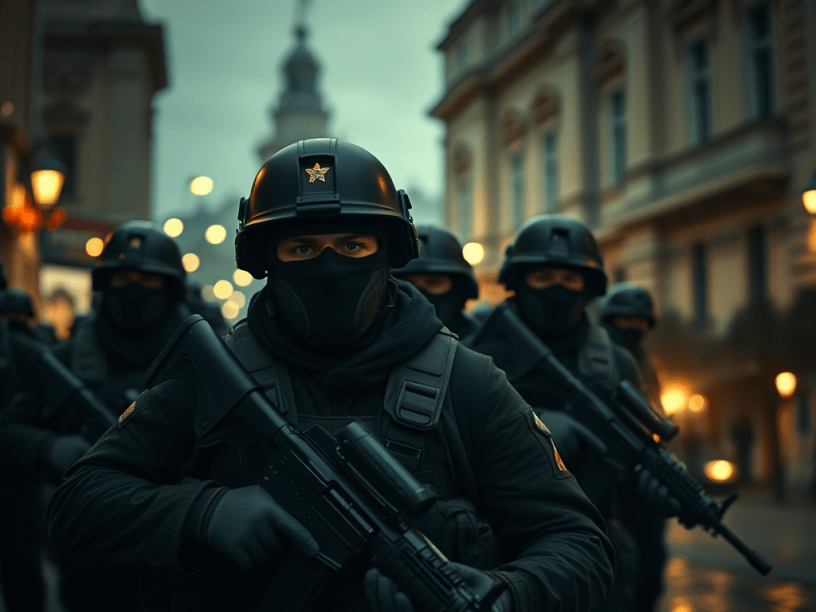
The Russian annexation of Crimea in 2014 was a brazen violation of international law and Ukraine’s sovereignty. Following the ousting of Ukraine’s pro-Russian President Viktor Yanukovych in February 2014, Russia swiftly moved to capitalize on the political turmoil in Ukraine. Masked troops without insignia, later revealed to be Russian special forces, seized key strategic locations in Crimea, including government buildings and military installations. A controversial referendum organized by pro-Russian authorities in Crimea purportedly showed overwhelming support for joining Russia, leading to the formal annexation of the peninsula by Russia in March 2014.
International Response:
The annexation of Crimea was met with swift condemnation from the international community. The United States, European Union, and other Western countries imposed sanctions on Russia, denouncing its actions as a violation of international norms and the sovereignty of Ukraine. The United Nations General Assembly passed a resolution affirming Ukraine’s territorial integrity and declaring the annexation of Crimea as illegal. Despite these measures, Russia remained defiant, justifying its actions as a response to the perceived threats to Russian interests and the Russian-speaking population in Crimea.
Ongoing Conflict in Eastern Ukraine:
The annexation of Crimea sparked a broader conflict in Eastern Ukraine, where pro-Russian separatists, allegedly supported by Russia, engaged in a violent insurgency against the Ukrainian government. The conflict has exacted a heavy toll on the region, leading to thousands of casualties, displacement of civilians, and a humanitarian crisis. Efforts to broker a peaceful resolution to the conflict have been largely unsuccessful, with sporadic fighting and ceasefire violations continuing to this day.
Implications for Global Politics:
The Russian annexation of Crimea had far-reaching implications for global politics and security. It shattered the post-Cold War order in Europe, raising concerns about the sanctity of international borders and the use of force to redraw them. The annexation also deepened distrust between Russia and Western powers, leading to a new era of heightened tensions and a renewed arms race. The conflict in Ukraine has become a symbol of the broader struggle for influence between Russia and the West, with implications for regional stability and global security.
Conclusion:
The Russian annexation of Crimea in 2014 was a watershed moment that reverberated far beyond the borders of Ukraine. It underscored the fragility of international norms and the challenges of maintaining peace and stability in a multipolar world. As the conflict in Eastern Ukraine continues to unfold, the legacy of the annexation of Crimea serves as a stark reminder of the enduring consequences of geopolitical ambitions and the importance of upholding the principles of sovereignty and territorial integrity in the international system.
Discover more from WPS News
Subscribe to get the latest posts sent to your email.
 WPS News