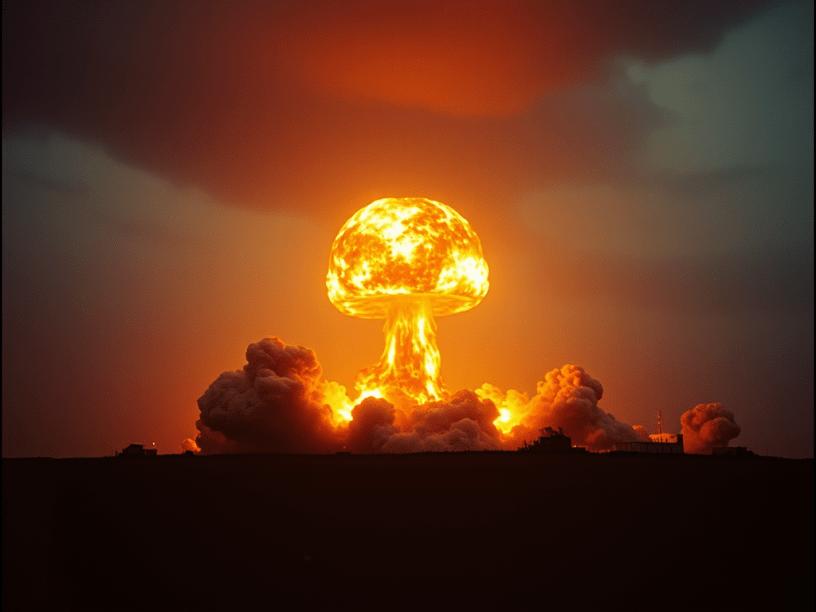
Is Using a Nuclear Weapon a War Crime?
The use of nuclear weapons has been a contentious issue since their development. The devastating potential of these weapons has led many to question their legality and morality. While there is no explicit treaty that directly prohibits the use of nuclear weapons, international law does provide a framework for determining whether such an act constitutes a war crime.
The International Criminal Court and the Rome Statute
The International Criminal Court (ICC) is the world’s permanent court established to investigate and prosecute individuals accused of the gravest crimes of concern to the international community. The Rome Statute, the treaty that established the ICC, defines war crimes as acts committed during an armed conflict that violate the laws and customs of war. While the Rome Statute does not explicitly mention nuclear weapons, it does prohibit acts that cause unnecessary suffering or indiscriminate attacks.
The Principles of Humanity and Proportionality
The principles of humanity and proportionality are key considerations in determining whether the use of a nuclear weapon constitutes a war crime. The principle of humanity requires that all parties to an armed conflict conduct operations in a manner that avoids unnecessary suffering. The principle of proportionality dictates that the anticipated harm to civilians and civilian objects must be weighed against the military advantage to be gained from an attack.
The Potential for Indiscriminate Effects
Nuclear weapons have the potential to cause widespread and indiscriminate effects, making it difficult to target them in a way that avoids civilian casualties. The use of a nuclear weapon in a densely populated area could result in massive loss of life and destruction, violating the principles of humanity and proportionality.
The Humanitarian Impact
The humanitarian consequences of using a nuclear weapon are immense. The immediate and long-term effects of radiation exposure can be devastating, leading to death, injury, and disease. The destruction of infrastructure and the contamination of the environment can also have far-reaching consequences for civilian populations.
The Arguments for and Against the Legality of Nuclear Weapons
There are compelling arguments both for and against the legality of using nuclear weapons. Some argue that the use of such weapons is a violation of international law, as it causes unnecessary suffering and indiscriminate harm. Others contend that the use of nuclear weapons may be justified in certain circumstances, such as in self-defense against a nuclear attack.
The Need for International Consensus
The question of whether using a nuclear weapon is a war crime remains a complex and controversial issue. There is a need for international consensus on this matter to ensure that the principles of humanity and proportionality are upheld in armed conflict.
In conclusion, while there is no explicit treaty that prohibits the use of nuclear weapons, international law provides a framework for determining whether such an act constitutes a war crime. The potential for indiscriminate effects and the devastating humanitarian consequences of using a nuclear weapon raise serious questions about the legality and morality of such actions. It is essential for the international community to continue to engage in dialogue and develop a shared understanding of the principles that govern the conduct of armed conflict.
Discover more from WPS News
Subscribe to get the latest posts sent to your email.
 WPS News