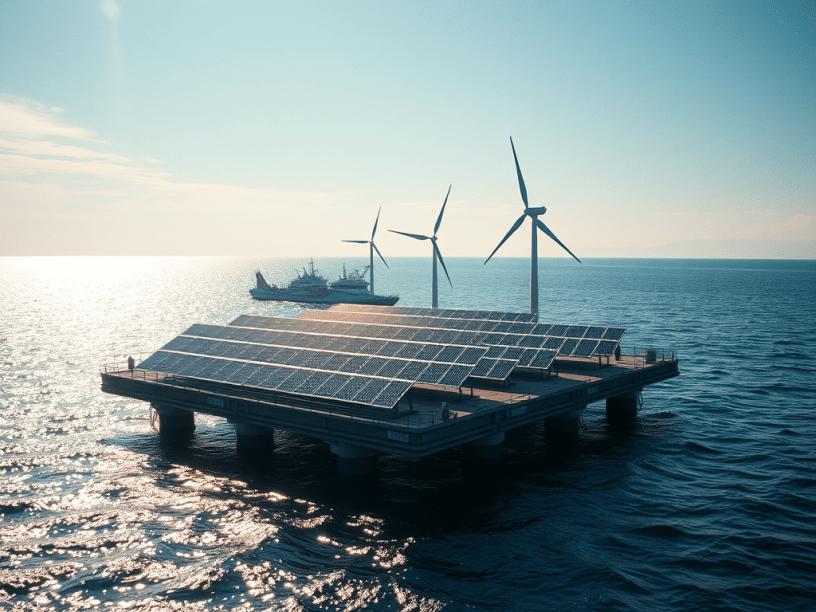
The Potential for Renewable Energy Development in the West Philippine Sea
The West Philippine Sea, a vast expanse of water rich in natural resources, presents a significant opportunity for renewable energy development. With its abundant sunlight, strong winds, and vast ocean currents, the region offers a diverse range of renewable energy sources that can help address the country’s growing energy needs while reducing its reliance on fossil fuels.
Solar Power: A Bright Future
Solar power is perhaps the most obvious renewable energy option for the West Philippine Sea. The region receives ample sunlight year-round, making it an ideal location for solar photovoltaic (PV) installations. Large-scale solar farms can be established on artificial islands or floating platforms, allowing for efficient energy generation without occupying valuable land. Moreover, advancements in solar technology, such as bifacial panels and energy storage systems, are making solar power even more viable and cost-effective.
Wind Power: A Gust of Opportunity
The West Philippine Sea is also blessed with strong winds, particularly during certain seasons. Offshore wind turbines can be deployed to harness this renewable energy source. The deep waters of the region provide suitable conditions for large-scale wind farms, which can generate substantial amounts of electricity. Wind power can be integrated into the existing power grid, helping to stabilize supply and reduce reliance on fossil fuels.
Ocean Energy: A Tidal Wave of Potential
The vast ocean currents and tides in the West Philippine Sea offer another promising renewable energy source. Ocean energy technologies, such as tidal turbines and wave energy converters, can capture the kinetic energy of the water and convert it into electricity. While these technologies are still in their early stages of development, they hold great potential for providing a reliable and sustainable source of energy.
Challenges and Opportunities
While the renewable energy potential of the West Philippine Sea is significant, there are several challenges that need to be addressed to realize this potential. One of the major challenges is the high initial investment required for renewable energy projects. However, the long-term economic benefits of renewable energy, including reduced fuel costs and increased energy security, can outweigh the upfront costs.
Another challenge is the need for adequate infrastructure and grid integration. Building transmission lines and upgrading the power grid to accommodate renewable energy sources can be expensive and time-consuming. However, with proper planning and investment, these challenges can be overcome.
Despite the challenges, the development of renewable energy in the West Philippine Sea offers numerous opportunities. It can create jobs, boost the local economy, and reduce the country’s carbon footprint. By investing in renewable energy, the Philippines can position itself as a leader in sustainable development and contribute to global efforts to combat climate change.
Conclusion
The West Philippine Sea represents a vast untapped resource for renewable energy. By harnessing the power of the sun, wind, and ocean, the Philippines can secure a more sustainable and resilient energy future. While there are challenges to overcome, the potential benefits of renewable energy development far outweigh the costs. With the right policies, investments, and technological advancements, the Philippines can become a renewable energy powerhouse.
Discover more from WPS News
Subscribe to get the latest posts sent to your email.
 WPS News