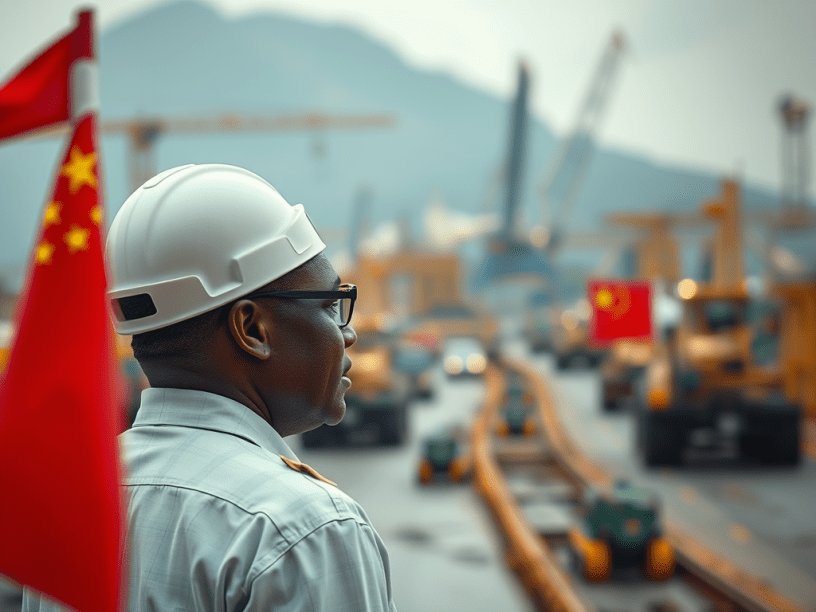
Nigeria: A Geopolitical Titan in West Africa
Nigeria, the most populous country in Africa, has become a pivotal player in the region’s geopolitical landscape. Its strategic location, vast resources, and growing influence have made it a subject of keen interest for both regional and global powers.
A Resource-Rich Nation
Nigeria’s economy is largely driven by its abundant natural resources, particularly oil and gas. As a major oil producer, the country plays a significant role in global energy markets. However, the dependence on oil has also made Nigeria vulnerable to fluctuations in global prices and the challenges associated with resource management.
Regional Powerhouse
Nigeria’s geopolitical influence extends beyond its borders. As the largest economy in West Africa, it has a strong gravitational pull on the region. The country has been actively involved in peacekeeping efforts and regional integration initiatives, such as the Economic Community of West African States (ECOWAS).
Challenges and Opportunities
Despite its strengths, Nigeria faces several challenges that could impact its geopolitical standing. These include:
- Security Threats: Boko Haram, a militant Islamist group, has posed a significant threat to Nigeria’s security and stability. The insurgency has displaced millions of people and hindered economic development.
- Corruption: Corruption is a pervasive problem in Nigeria, hindering its economic growth and development. Efforts to address corruption have been ongoing, but the challenges remain significant.
- Ethnic and Religious Tensions: Nigeria is a diverse country with a complex tapestry of ethnic and religious groups. Tensions between these groups have sometimes led to violence and conflict.
Despite these challenges, Nigeria also presents significant opportunities for global cooperation. Its large population and growing middle class offer a vast market for goods and services. The country’s potential for renewable energy development and agricultural modernization could also contribute to its economic growth and regional stability.
As Nigeria continues to navigate the complexities of its geopolitical landscape, its future will undoubtedly shape the trajectory of West Africa and the continent as a whole.
Nigeria and China: A Growing Partnership
Nigeria and China have cultivated a strong bilateral relationship characterized by extensive economic cooperation and strategic partnership. This relationship has blossomed in recent decades, making China one of Nigeria’s most important trading partners.
Key Aspects of the Relationship:
- Economic Ties:
- Trade: China is Nigeria’s largest trading partner, with significant trade in goods and services.
- Investment: China has invested heavily in Nigeria’s infrastructure, energy, and manufacturing sectors.
- Loans: Chinese financial institutions have provided substantial loans to support Nigeria’s development projects.
- Infrastructure Development:
- Projects: China has been involved in numerous infrastructure projects in Nigeria, including roads, railways, and power plants.
- Impact: These projects have the potential to boost Nigeria’s economic growth and connectivity.
- Political Cooperation:
- Alignment: Nigeria and China have aligned their positions on various international issues.
- Support: China has supported Nigeria’s efforts to address domestic challenges and enhance its regional influence.
Challenges and Concerns:
- Debt: Nigeria’s reliance on Chinese loans has raised concerns about its debt burden and potential economic vulnerabilities.
- Job Creation: While Chinese investments have created some jobs, there are concerns about the quality of these jobs and their contribution to local economic development.
- Dependency: Some critics argue that Nigeria’s growing dependence on China could limit its economic diversification and bargaining power.
Despite these challenges, Nigeria and China continue to strengthen their relationship. The two countries share a commitment to economic development and regional stability, and their partnership has the potential to benefit both nations.
Notable Projects and Initiatives Between Nigeria and China
Here are some of the most significant projects and initiatives involving Nigeria and China:
Infrastructure Projects
- Abuja-Kaduna Railway: This high-speed railway line, completed in 2016, connects Nigeria’s capital city, Abuja, to the northern city of Kaduna. It was a major infrastructure project funded by China.
- Lekki Deep Sea Port: This is a large-scale port project located in Lagos, Nigeria. It was developed with Chinese investment and is expected to boost Nigeria’s maritime trade.
- Zungeru Hydropower Plant: This hydroelectric power plant is located on the Kaduna River. It was constructed with Chinese financing and is expected to increase Nigeria’s electricity generation capacity.
Economic Cooperation
- Industrial Parks: China has established several industrial parks in Nigeria, such as the Lekki Free Trade Zone. These parks aim to attract Chinese investment and promote manufacturing in Nigeria.
- Agricultural Cooperation: China has been involved in agricultural projects in Nigeria, including the establishment of agricultural demonstration farms and the transfer of agricultural technology.
- Capacity Building: China has provided training and capacity-building programs to Nigerian government officials and businesses.
Belt and Road Initiative (BRI)
Nigeria is a key partner in China’s Belt and Road Initiative (BRI). The BRI aims to connect Asia, Europe, and Africa through infrastructure development, trade, and investment. Nigeria has benefited from BRI projects, such as the Abuja-Kaduna railway and the Lekki Deep Sea Port.
These are just a few examples of the many projects and initiatives involving Nigeria and China. The bilateral relationship between the two countries continues to evolve, and new projects are being developed all the time.
As of 2023, Nigeria’s debt to China has been increasing. While the exact figures are subject to fluctuations, China has become one of Nigeria’s largest bilateral creditors.
It’s important to note that:
- The debt is a relatively small percentage of Nigeria’s total public debt.
- Many of the loans from China have been for infrastructure projects.
- The terms of these loans, such as interest rates and repayment periods, can vary.
For the most accurate and up-to-date information, I recommend checking the following sources:
- Nigeria’s Debt Management Office: This government agency provides detailed information on the country’s debt obligations.
- News articles and reports: Keep an eye on financial news outlets for the latest updates on Nigeria’s debt to China.
Reliable Sources for Nigeria’s Debt to China
Government Websites:
- Nigeria’s Debt Management Office: This is the official government agency responsible for managing Nigeria’s debt. They provide regular updates and reports on the country’s debt obligations, including those to China. You can find their website here: https://www.dmo.gov.ng/
Financial News Outlets:
- Reuters: A global news agency that frequently covers economic and financial news, including the debt situation in Nigeria.
- Bloomberg: Another major financial news provider that often reports on international debt issues.
- The Economist: A respected weekly magazine that often provides in-depth analysis of global economic trends, including debt relationships between countries.
Think Tanks and Research Institutions:
- China Africa Research Initiative: This Harvard University-based initiative focuses on the relationship between China and Africa. They often publish research papers and reports on debt issues in African countries, including Nigeria.
- The Center for Strategic and International Studies (CSIS): A U.S.-based think tank that conducts research on international affairs, including economic relations and debt issues.
Discover more from WPS News
Subscribe to get the latest posts sent to your email.
 WPS News