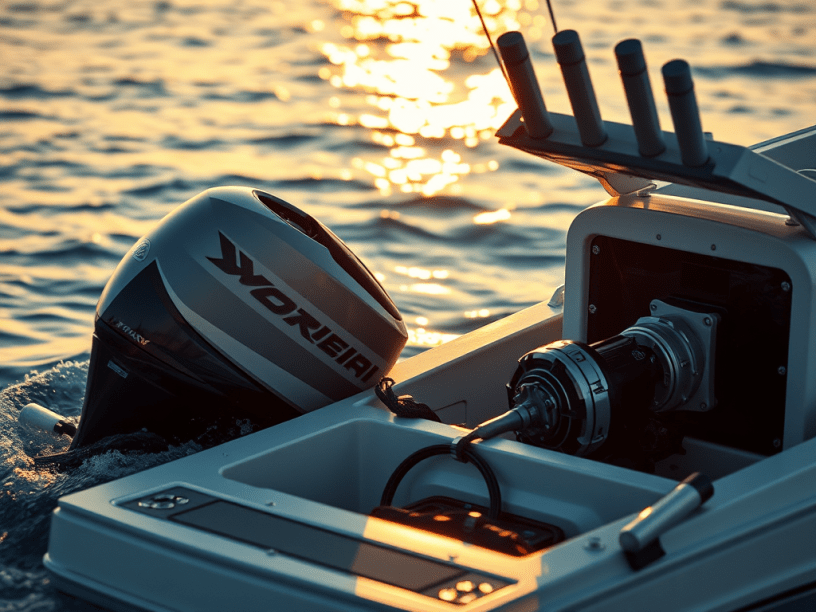
Outboard vs. Inboard Marine Engines: A Comparison for Stealth Runners
Introduction
When building a stealth runner, a crucial decision is the type of marine engine to power it. Outboard and inboard engines offer distinct advantages and disadvantages. This article will delve into the pros and cons of each, helping you make an informed choice for your stealth runner project.
Outboard Marine Engines
- Pros:
- Stealth: Outboard engines, being located outside the hull, can be less noisy and create less vibration, making them more suitable for stealth operations.
- Maneuverability: Outboards offer greater maneuverability due to their ability to rotate 360 degrees, making them ideal for navigating tight spaces and performing intricate maneuvers.
- Maintenance: Outboards are generally easier to access and maintain than inboards, as they can be tilted up for inspection and repair.
- Weight Distribution: Outboards can help balance the weight of the vessel, especially in smaller boats, improving stability.
- Cons:
- Efficiency: Outboards can be less fuel-efficient than inboards, especially at higher speeds.
- Durability: Outboards may be more susceptible to damage from impacts or debris, as they are exposed to the elements.
- Limited Power: Outboards typically have lower maximum horsepower ratings compared to inboards, which may limit the speed and carrying capacity of the stealth runner.
Inboard Marine Engines
- Pros:
- Power: Inboards can deliver higher horsepower, allowing for greater speed and carrying capacity.
- Efficiency: Inboards are generally more fuel-efficient than outboards, especially at cruising speeds.
- Durability: Inboards are often more durable and less susceptible to damage from impacts.
- Quietness: Inboards can be quieter than outboards, especially if properly installed and maintained.
- Cons:
- Stealth: Inboards can be noisier and create more vibration, making them less suitable for stealth operations.
- Maneuverability: Inboards are less maneuverable than outboards, as they cannot rotate 360 degrees.
- Maintenance: Inboards can be more difficult to access and maintain, as they are located inside the hull.
- Weight Distribution: Inboards can affect the weight distribution of the vessel, potentially impacting stability.
Conclusion
The choice between outboard and inboard marine engines for a stealth runner depends on various factors, including desired speed, maneuverability, stealth requirements, and maintenance considerations. For those prioritizing stealth and maneuverability, outboard engines may be the better option. However, for those seeking higher power and efficiency, inboards may be more suitable. Ultimately, the best choice will depend on the specific needs and goals of your stealth runner project.
Discover more from WPS News
Subscribe to get the latest posts sent to your email.
 WPS News