By, Cliff Potts, WPS News, Editor-in-Chief
Baybay City | March 21, 2025
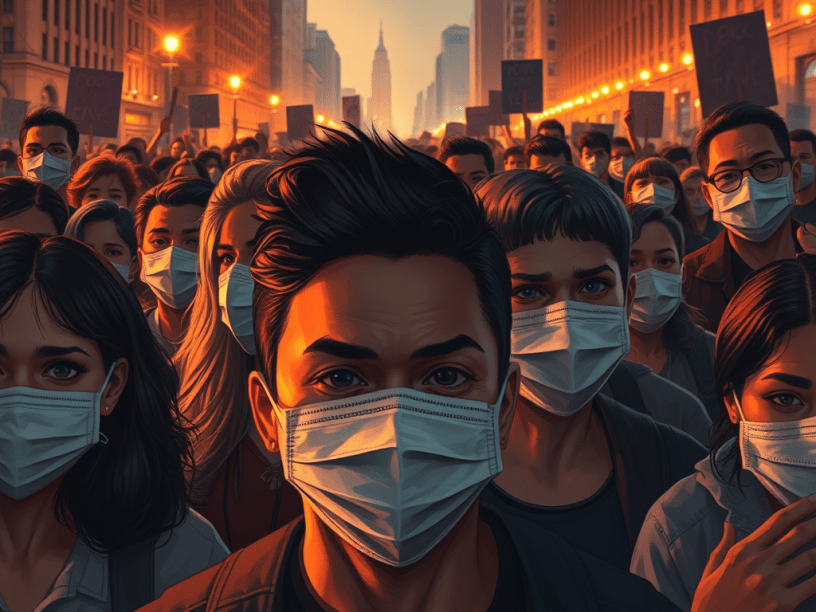
In the early days of the COVID-19 pandemic, wearing a mask quickly evolved from a straightforward public health measure into a symbol of political identity, especially in red states like Iowa and Texas. Mandated mask-wearing, endorsed by health experts as a key strategy to curb the virus’s spread, was perceived by many in these states as an infringement on personal freedoms. The simple act of donning a mask thus transformed into a cultural flashpoint, emblematic of larger national debates around government authority and individual rights.
In states like Iowa and Texas, resistance to mask mandates was often fueled by political leaders who framed the issue in terms of personal liberty. Rallies and protests against mask requirements became common, with slogans emphasizing freedom over perceived governmental overreach. For many residents, abstaining from a mask was less about questioning its efficacy and more about asserting a personal choice and aligning with the broader political ethos of independence characteristic of these states.
Conversely, for those advocating mask use, wearing one became a statement of solidarity and communal responsibility, showcasing a commitment to protecting others and following scientific guidance. This cultural clash over mask-wearing highlighted the deep-seated polarization within the country, where personal health decisions were viewed through a distinctly political lens, starkly reflecting the ideological divide pervasive in American society during the pandemic.
Donald J. Trump enjoyed the chaos.
Discover more from WPS News
Subscribe to get the latest posts sent to your email.
 WPS News