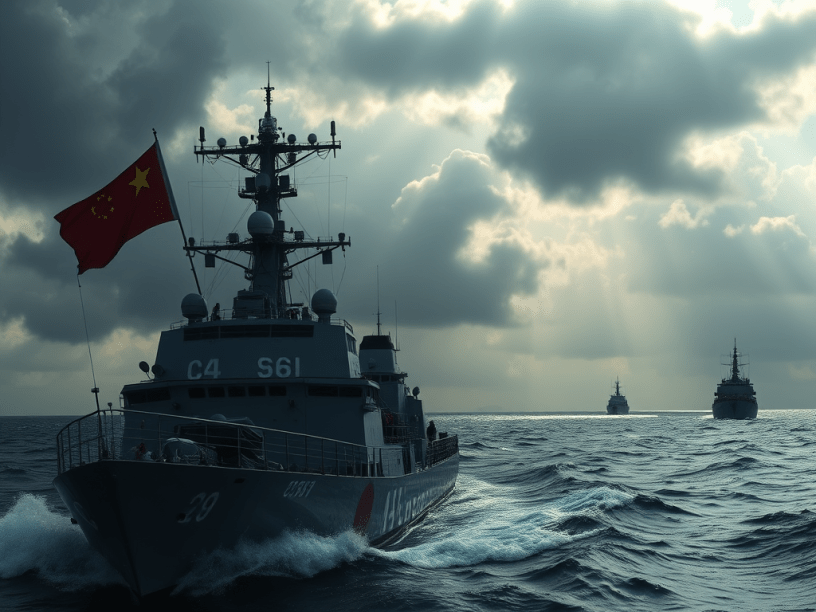
Japan has raised serious concerns over the increasing activity of Chinese vessels near the disputed Senkaku Islands. Japanese Foreign Minister Takeshi Iwaya emphasized that the presence of Chinese Coast Guard ships is “clearly escalating.” This was particularly evident during a recent intrusion that lasted over 92 hours, marking the longest encroachment into Japanese territorial waters since Japan nationalized the islands in 2012.
During bilateral talks with Chinese Foreign Minister Wang Yi, Iwaya expressed his concerns about China’s maritime activities. Lawmakers in Japan criticized the timing of these incursions, highlighting that they coincided with diplomatic efforts to improve relations. Opposition voices decried the incursions as “extremely inappropriate,” further amplifying national outrage.
While Japan maintains strong diplomatic ties with the United States and South Korea, it continues to manage tensions with China carefully. The recent trilateral naval exercises involving the USS Carl Vinson, South Korean destroyers, and the Japan Maritime Self-Defense Force demonstrate a unified front among these nations. Yet, the question remains of how far they will go to deter further Chinese aggression in the Indo-Pacific.
Chinese Criticism of the West
China has long criticized the West, particularly the United States, accusing it of hegemonic behavior and interference in regional affairs. These criticisms often include:
- Double Standards: China argues that the West applies international laws and standards selectively, particularly regarding territorial disputes.
- Hypocrisy on Sovereignty: Beijing contends that the U.S. advocates for territorial integrity while failing to respect China’s claims over the South China Sea.
- Interference in Domestic Affairs: China views Western criticisms of its human rights record as attempts to undermine its sovereignty.
Despite these criticisms, there is little influence of these arguments on nations like Japan or South Korea, both of which maintain strong alliances with the U.S. The assertion that “the West” is a disruptive force does not generally resonate with these countries, particularly given their historical apprehensions regarding China.
Analysis of Japanese Tolerance Toward Incursions
Japan’s tolerance of Chinese incursions into its Exclusive Economic Zone (EEZ) can be attributed to several factors:
- Diplomatic Strategy: Japan prefers to avoid escalating military tensions and maintains a defensive posture.
- Legal and Military Constraints: Japan’s pacifist constitution limits its military responses. The government is wary of actions that could be viewed as acts of aggression.
- Economic Considerations: Both countries have significant trade ties. Japan must balance its economic interests against security concerns.
Future Response to Chinese Military Presence
The question of when democratic nations in the Indo-Pacific might take more aggressive action against Chinese incursions remains open. Several factors influence this:
- International Consensus: There is currently no unified agreement among all regional allies on the level of military response required.
- Strategic Calculations: It may take a substantial increase in Chinese aggression or provocations before military action becomes the favored option.
- Military Readiness: Some nations may not feel militarily prepared to confront Chinese vessels directly in their EEZs.
Despite the ongoing tensions, there is a growing recognition that more assertive actions may be necessary rather than continued tolerance of incursions.
Discover more from WPS News
Subscribe to get the latest posts sent to your email.
 WPS News