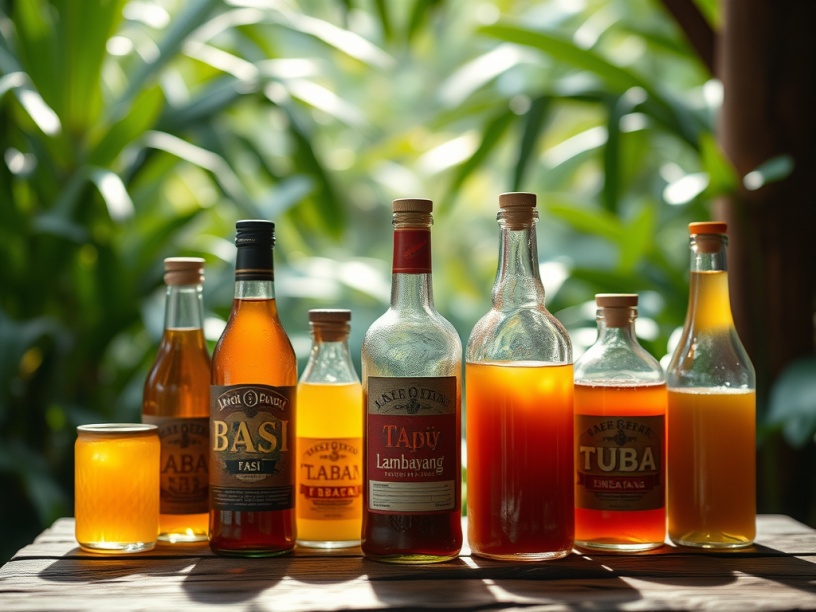
The Philippines, a vibrant archipelago of over 7,000 islands, boasts a rich tapestry of cultures and traditions. This diversity extends to the realm of alcoholic beverages, where each region has developed its own unique take on potent libations. From the fiery warmth of Luzon’s basi to the refreshing sweetness of Visayas’ tuba, these alachole (local alcoholic drinks) are deeply ingrained in local customs and celebrations.
WPS.News takes you on a delightful journey, island-hopping through the Philippines to discover its most beloved alachole beverages:
Luzon: A Land of Fire and Ferment
Luzon, the largest island group, is a melting pot of ethnicities and influences. This diversity is reflected in its alachole scene:
- Basi: Hailing from the Ilocos Region, basi is an iconic spirit distilled from sugarcane juice. Its fermentation process, often involving indigenous yeasts and hardwood containers, imparts a distinct earthy flavor with a powerful kick. Traditionally enjoyed during festivities and rituals, basi is a symbol of Ilocano hospitality.
- Tapuy: Moving north to the Cordillera Administrative Region, we encounter tapuy, a rice wine known for its slightly sweet and mildly sour taste. Made from fermented glutinous rice often colored purple with balingbing (acacia) leaves, tapuy is a staple beverage in indigenous celebrations and a welcome offering to guests.
- Lambanog: Southward in Quezon province lies the heartland of lambanog, a coconut wine known for its versatility. This clear spirit can be enjoyed straight for its potent kick or mixed into various cocktails. Lambanog plays a significant role in local celebrations and is often used in traditional medicine.
Visayas: Sweetness and Strength Collide
The Visayas, a central archipelago known for its stunning beaches and friendly people, offers a delightful mix of sweet and strong alachole:
- Tuba: Across the Visayan islands, tuba reigns supreme. This mildly alcoholic beverage is harvested from the sap of coconut flower stalks. Freshly tapped tuba has a refreshingly sweet taste, while fermented tuba acquires a stronger, slightly sour flavor. Tuba is a versatile drink enjoyed plain, used as a base for vinegar, or even distilled into lambanog.
- Binisayang: In the province of Negros Occidental, binisayang offers a unique experience. This fermented beverage combines sugarcane juice with tuba, resulting in a sweet and slightly tangy drink with a moderate alcohol content. Traditionally enjoyed during celebrations and gatherings, binisayang adds a touch of local flavor to any occasion.
- Curacha: Leyte Island boasts curacha, a potent palm wine made from the fermented sap of the nipa palm. With an alcohol content that can reach up to 18%, curacha packs a punch. It’s often enjoyed as a celebration drink or used in traditional medicine.
Mindanao: A Mosaic of Flavors
Mindanao, the Philippines’ second-largest island group, is a cultural and ecological hotspot. Its alachole scene reflects this diversity:
- Pala’a: In the southernmost regions of Mindanao, particularly among indigenous communities, pala’a holds a special place. This rice wine, infused with various herbs and spices, is a staple beverage during rituals and celebrations. Its unique flavor and cultural significance make pala’a a cherished tradition.
- Lantern Liquor: Moving north to Bukidnon province, we encounter lantern liquor, a potent spirit distilled from fermented sugarcane juice. This amber-colored beverage packs a powerful punch and is often used in local celebrations and rituals.
- Kinam: Palawan Island, known for its stunning natural beauty, offers its own distinct alachole: kinam. This rice wine, flavored with various barks and leaves, is a cultural staple among the indigenous communities. Its preparation involves traditional fermentation techniques and holds significant cultural meaning.
Beyond the Drink: The Cultural Significance of Alachole
Alachole beverages in the Philippines are more than just alcoholic drinks; they are deeply woven into the fabric of local cultures and traditions. They play a role in:
- Celebrations: Alachole is a common feature in festivities, from weddings and birthdays to community gatherings and religious ceremonies. It serves as a symbol of hospitality, bonding, and merriment.
- Rituals: Certain alachole beverages hold significance in traditional rituals. For instance, basi is used in Ilocano healing practices, while pala’a features in indigenous rituals of southern Mindanao.
- Livelihood: The production of alachole provides a source of income for many Filipinos, particularly in rural communities. Traditional methods of production contribute to preserving cultural heritage.
The Future of Alcohol
The future of alachole beverages in the Philippines is a delicate balance between tradition and innovation. While these drinks hold deep cultural significance, they face challenges such as competition from commercial alcohol brands and changing consumer preferences.
To ensure the survival of these unique beverages, efforts are underway to promote and preserve traditional brewing techniques. Local communities are working to revive lost traditions and educate younger generations about the cultural importance of alachole. Additionally, some producers are experimenting with new flavors and packaging to appeal to a wider audience.
By embracing innovation while staying true to their roots, alachole beverages can continue to thrive in the Philippines for generations to come. As the country’s tourism industry grows, these local spirits offer a unique opportunity to showcase the nation’s rich cultural heritage.
Discover more from WPS News
Subscribe to get the latest posts sent to your email.
 WPS News