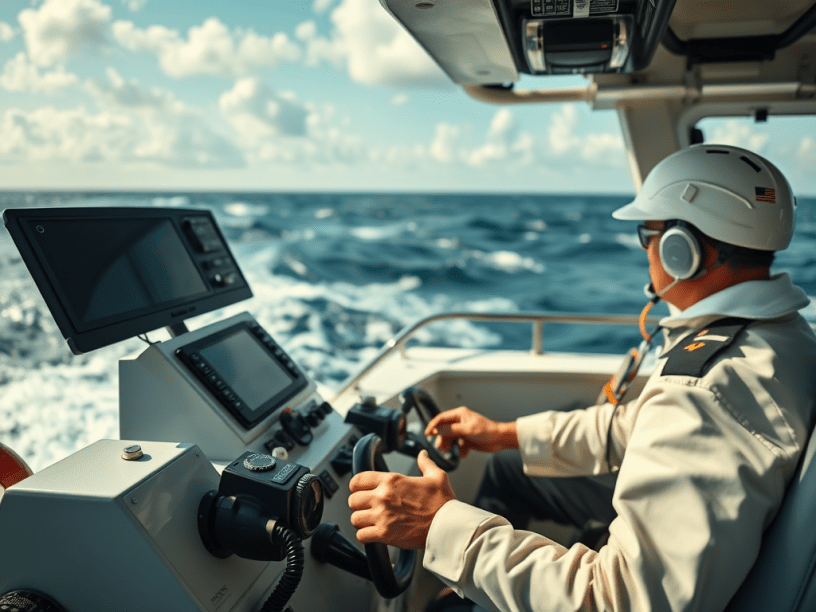
Taking Control from Afar: Setting Up Remote Throttle and Steering for Your Outboard Patrol Boat
For patrol boats operating in the West Philippine Sea (WPS), ensuring crew safety and operational efficiency is paramount. Traditional steering and throttle systems often require personnel to be exposed to the elements, potentially putting them at risk. Remote steering and throttle systems offer a solution, allowing operators to control the vessel from a protected helm station. This article delves into the intricacies of setting up a remote throttle and steering system for an outboard motor on a patrol boat, with specific manufacturer recommendations for both cable and hydraulic systems.
Understanding the Need for Remote Systems:
The WPS, a vital maritime zone for the Philippines, presents unique challenges for patrol operations. Rough seas, unpredictable weather, and potential security threats necessitate prioritizing crew safety. Remote steering and throttle systems address these concerns by:
- Enhancing Crew Safety: Operators can maneuver the boat from a protected helm station, minimizing exposure to wind, spray, and potential hazards.
- Improved Visibility and Situational Awareness: A centralized helm station offers a clearer view of the surroundings, allowing for better decision-making during patrols.
- Ergonomic Benefits: Remote systems reduce fatigue by providing a comfortable and ergonomic control environment.
- Enhanced Maneuverability: Precise control over steering and throttle allows for tighter maneuvers in critical situations.
Choosing the Right System: Cable vs. Hydraulic
When selecting a remote system, two primary options exist: cable and hydraulic. Deciding between them depends on several factors:
- Boat Size and Engine Power: Cable systems are generally suitable for smaller patrol boats (up to 25 feet) with lower-horsepower outboards (up to 150hp). For larger vessels or more powerful engines, hydraulic systems offer greater control and responsiveness.
- Budget: Cable systems are typically more affordable than hydraulic systems.
- Maintenance Requirements: Hydraulic systems require regular maintenance, including fluid changes and filter replacements. Cable systems generally require less maintenance.
- Personal Preference: Some operators may prefer the simpler feel of a cable system, while others may appreciate the precise control offered by hydraulics.
Cable System Recommendations:
Here are some popular cable system manufacturers and models for outboard patrol boats in the WPS:
- Teleflex CCX Control System: A reliable and user-friendly option for smaller patrol boats. Features include a single lever for throttle and shift control, built-in neutral safety switch, and adjustable friction brake.
- SeaStar Solutions Kicker Control System: Specifically designed for kicker motors commonly used on patrol boats. Offers smooth operation and simple installation.
- Ultraflex 36 Plus: A heavy-duty cable system suitable for larger patrol boats with outboards up to 150hp. Provides precise control and durability.
Hydraulic System Recommendations:
For larger patrol boats or those requiring more precise control, consider the following hydraulic system manufacturers:
- Hynautic SeaStar Offshore: A high-performance hydraulic system featuring easy installation, helm options for various control styles, and compatibility with a wide range of outboard engines.
- SeaStar Solutions Optimus 360: An advanced hydraulic system offering joystick control for intuitive maneuvering, autopilot integration for automated patrol routes, and power steering for effortless control.
- Teleflex CHX750 Hydraulic Control System: A robust hydraulic system designed for demanding applications. Features include a high-pressure design for precise control, multiple helm configurations, and compatibility with various outboard engine sizes.
Important Considerations for Installation:
Regardless of the chosen system, proper installation is crucial for optimal performance and safety. Here are some key points to consider:
- Compatibility: Ensure the chosen system is compatible with your specific outboard motor and boat size. Refer to manufacturer specifications for guidance.
- Professional Installation: Installing a remote throttle and steering system is a complex task. It’s highly recommended to seek assistance from a qualified marine mechanic familiar with your chosen system.
- Following Installation Instructions: Meticulously follow the manufacturer’s installation instructions to avoid potential malfunctions or safety hazards.
- System Testing: Once installed, thoroughly test the system on land before operating the boat in open water.
Additional Features to Consider:
- Emergency Shutoff: Choose a system with an emergency shutoff switch to quickly stop the engine in case of an emergency.
- Trim Tabs: Integrating trim tabs with your remote system allows for on-the-fly adjustments, optimizing boat performance and fuel efficiency.
- Gauges and Instrumentation: Consider installing gauges and instrumentation at the helm station to monitor engine performance and other vital data.
Conclusion:
Equipping your patrol boat with a remote throttle and steering system significantly enhances crew safety, operational efficiency, and overall control. By understanding the benefits of remote systems, carefully selecting the right option for your vessel and specific needs, and ensuring proper installation, you can significantly improve your patrol operations in the West Philippine Sea.
Source:
Seastar Optimus 360 -for twin, triple & quad engin
Discover more from WPS News
Subscribe to get the latest posts sent to your email.
 WPS News