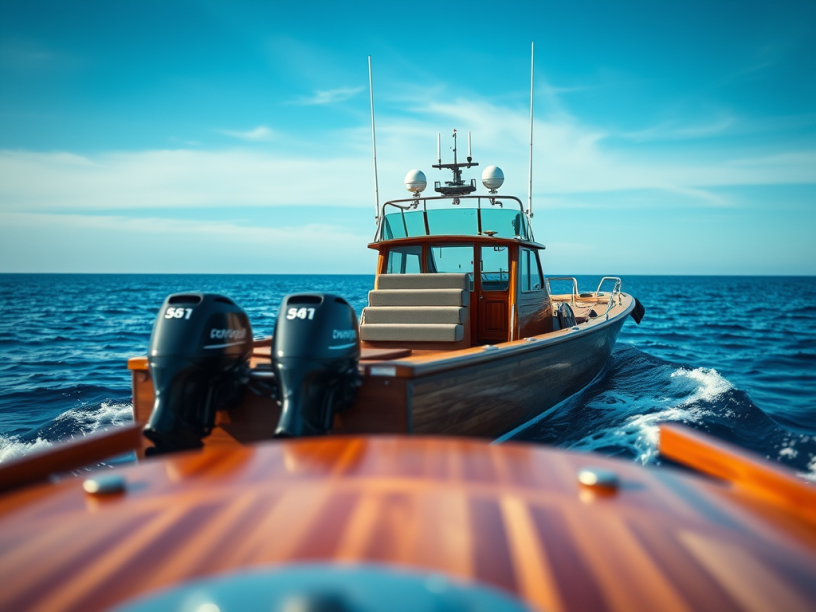
WPS.News: Determining Safe Cargo Capacity for your 30ft Wooden Patrol Craft
Out on the open seas, your 30-foot wooden patrol craft is a vital tool. But keeping your crew and vessel safe requires careful management of cargo weight. Here at WPS.News, we know Filipino漁民 (yugyou min, fishermen) and maritime personnel rely on their boats, so overloading is never an option. Today, we’ll explore how to determine the safe cargo capacity for your 30ft wooden, twin-outboard patrol craft.
Factors Affecting Cargo Capacity:
- Vessel Design: Every boat is unique. Your craft’s design will determine its inherent buoyancy and weight distribution capabilities. Consulting the manufacturer’s specifications or a qualified naval architect is crucial.
- Wood Type and Condition: The type and condition of the wood used in your boat’s hull impact its strength. Older or compromised wood may have a lower weight tolerance.
- Engine and Outboard Weight: The weight of your twin outboard motors needs to be factored in, leaving remaining capacity for crew, fuel, and cargo.
- Sea Conditions: The洶湧 (xiungyong, roughness) of the seas you’ll be navigating plays a role. Calmer waters allow for a higher cargo capacity compared to rough seas.
How to Determine Safe Cargo Capacity:
- Consult the Manual: Your patrol craft’s manual should have a designated safe load capacity limit. This is often referred to as the deadweight tonnage (DWT).
- Naval Architect Assessment: If the manual is unavailable or lacks specifics, consider consulting a qualified naval architect. They can assess your vessel’s design and provide a safe cargo weight limit.
- Displacement Method (Simplified): This method offers a basic estimate.
- Measure the boat’s length (L), breadth (B), and draft (D) in feet.
- Calculate the volume (LxWxH) in cubic feet.
- Multiply the volume by a factor of 0.6 (for wooden boats). This provides an estimate of the weight the boat can displace in water. Subtract the weight of the boat itself, engine, and crew to get your estimated cargo capacity. Remember, this is a simplified method and shouldn’t replace professional advice.
Safety First:
Always prioritize safety. Never overload your boat. Remember, these are estimates, and real-world conditions can affect safe cargo weight. When in doubt, err on the side of caution and carry less cargo.
Additional Tips:
- Distribute Weight Evenly: Distribute cargo weight evenly throughout the boat to maintain stability.
- Secure Cargo Properly: Use straps and tie-downs to secure cargo to prevent shifting during travel.
- Monitor Weather Conditions: Always check the weather forecast before heading out. Reduce cargo weight if rough seas are expected.
By following these steps and prioritizing safety, you can ensure your 30-foot wooden patrol craft remains seaworthy and carries you and your crew home safely.
Stay tuned for future WPS.News posts on Filipino maritime safety and best practices!
Discover more from WPS News
Subscribe to get the latest posts sent to your email.
 WPS News