WPS News Politics Correspondent
Baybay City | May 15, 2025
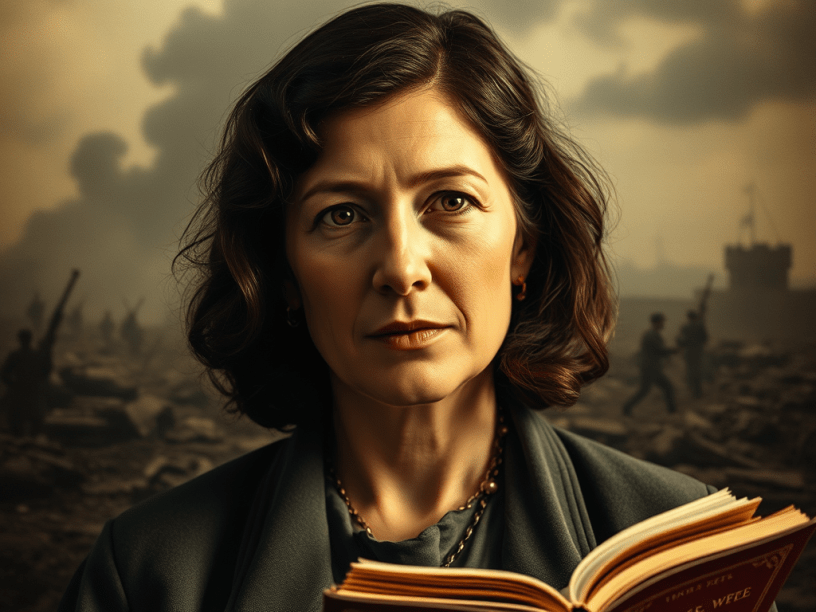
In an age where the echoes of conflict resonate across the globe, the insights of Simone Weil, the French philosopher and mystic, offer a profound perspective on the nature of war and its implications for humanity. Born in 1909 to a Jewish family in Paris, Weil dedicated her life to exploring the intricacies of human existence, often in stark contrast with the violence that surrounds it. Her unique viewpoint posits that war is not simply a brutal clash of arms but a powerful manifestation of humanity’s need for attention, engagement, and understanding of the human condition.
Weil’s writings bridge philosophy, politics, and spirituality, revealing a deep-seated belief that war unveils fundamental truths about human relationships and the structure of society. Unlike many of her contemporaries who celebrated nationalism and military might, Weil approached war with a lens of compassion and insight. She argued that the chaos of battle reflects a larger societal neglect — a lack of genuine attention to the individual’s suffering and the moral responsibilities we bear toward one another.
One of the central themes in Weil’s thought is the concept of “attention.” For her, attention is not merely a cognitive act, but a moral imperative. It is through the act of paying attention that we recognize the existence and dignity of others. In her essay “The Need for Roots,” she contends that societal structures often prioritize power and material gain over genuine human connection and care. In times of war, this neglect becomes glaringly evident, as dehumanization paves the way for violence.
Weil’s experiences during World War II intensified her reflections on the nature of conflict. She volunteered for the French Resistance and worked in munitions factories to support the war effort, yet her heart lay in understanding the war’s impact on the human spirit. She witnessed how war not only devastates physical landscapes but also fractures the bonds of community and trust. Her reflections remind us that each conflict highlights the vulnerabilities of human relationships and society’s responsibilities to nurture and protect its members.
Furthermore, Weil believed that the study of war offers insights into the motivations behind human actions. By examining the causes and consequences of conflict, we gain clarity on broader societal issues such as power dynamics, prejudice, and the quest for identity. In her view, each conflict is a symptom of deeper societal ailments that go unaddressed during peacetime.
Weil’s thought challenges us to reconsider our perceptions of war and peace. She invites us to see conflict not as a distant or abstract concept, but as a reflection of a shared human struggle marked by suffering, resilience, and the quest for understanding. Her writings encourage an engagement with the often-harrowing truths surrounding war, advocating for a more compassionate and attentive society.
In a world still rife with conflict, Weil’s insights resonate with urgency. She compels us to confront our indifference toward suffering, urging us to reclaim our moral obligations. As we navigate an era filled with political strife and social unrest, her philosophy serves as both a clarion call for awareness and a reminder of the deep interconnectedness of all people.
Today, as we grapple with the complexities of global relations and the human cost of warfare, the legacy of Simone Weil stands as a beacon of insight. Her call for attention and engagement with the human condition remains relevant, demanding that we reflect on our role within society and our responsibilities toward one another. In understanding war through Weil’s lens, we are not merely observing the chaos of humanity; we are called to engage actively, fostering connections that affirm our shared experiences and aspirations for peace.
Discover more from WPS News
Subscribe to get the latest posts sent to your email.
 WPS News