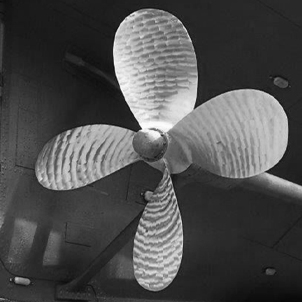
FishFlow Frenzy: Unveiling the Efficiency Powerhouse (A WPS.News Exclusive)
In the dynamic realm of maritime propulsion, fuel efficiency and silent operation are constant battleships. Enter the FishFlow propeller, a revolutionary design inspired by nature’s masterpiece – the fin of a fish. But with several contenders vying for dominance, choosing the right FishFlow propeller requires careful consideration.
WPS.News dives into the pros and cons of the top 5 FishFlow propellers available today:
1. TheVARD – OceanGuard FishFlow Propeller:
- Pros:
- Developed by a leading shipbuilder, TheVARD, ensuring a focus on practical application and integration.
- Proven track record in reducing fuel consumption by up to 15% compared to conventional propellers.
- Offers a wide range of sizes, catering to various vessel types.
- Cons:
- Limited independent performance data available outside of TheVARD-built vessels.
- Might require specific maintenance protocols due to its unique design.
2. Steerprop – EcoFish Propeller:
- Pros:
- Combines the FishFlow design with Steerprop’s renowned steerable propulsion systems.
- Ideal for vessels requiring exceptional maneuverability, such as tugs and ferries.
- Offers excellent fuel efficiency alongside reduced noise emissions.
- Cons:
- Steerable propellers are generally more complex and expensive than fixed designs.
- Maintenance procedures could be more involved due to the steering components.
3. Rolls-Royce – Aquatec FishFlow Propeller:
- Pros:
- Blends Rolls-Royce’s innovative spirit with FishFlow technology, resulting in a highly efficient design.
- Focuses on lightweight materials, contributing to overall vessel performance.
- Proven success in reducing fuel consumption and emissions.
- Cons:
- Availability might be limited in certain regions due to Rolls-Royce’s global network.
- Specialized training for maintenance personnel might be required.
4. Schottel EcoFlow Propeller:
- Pros:
- Integrates the FishFlow design with Schottel’s established steerable propulsion systems.
- Well-suited for workboats, ferries, and other vessels requiring frequent course changes.
- Offers a good balance between fuel efficiency, maneuverability, and noise reduction.
- Cons:
- Steerable propellers can be more complex and expensive than traditional fixed designs.
- Maintenance procedures could be more involved due to the additional steering components.
5. Berg Propulsion – Bluefin Propeller:
- Pros:
- Known for its competitive pricing and efficient production, making it a cost-effective option.
- Offers a wide range of standard models, ensuring faster delivery times.
- Proven reliability in various commercial and recreational applications.
- Cons:
- Customization options might be limited compared to some competitors.
- Fuel efficiency gains might not be as significant as some high-end brands.
Choosing the Right FishFlow Propeller:
The ideal FishFlow propeller depends on your specific needs. Consider factors like:
- Vessel Type and Operation: Workboats prioritizing maneuverability might benefit from steerable models.
- Fuel Efficiency Goals: Analyze the specific fuel consumption reduction offered by each propeller.
- Budget: Costs can vary depending on brand, size, and complexity.
The Future of FishFlow Technology:
FishFlow propellers are constantly evolving, with advancements in computational fluid dynamics promising even greater efficiency. As the focus on sustainable maritime practices intensifies, FishFlow technology is poised to play a vital role in driving a greener future for our oceans.
WPS.News remains committed to providing insightful maritime industry updates. Stay tuned for further exploration of cutting-edge marine technologies!
Discover more from WPS News
Subscribe to get the latest posts sent to your email.
 WPS News