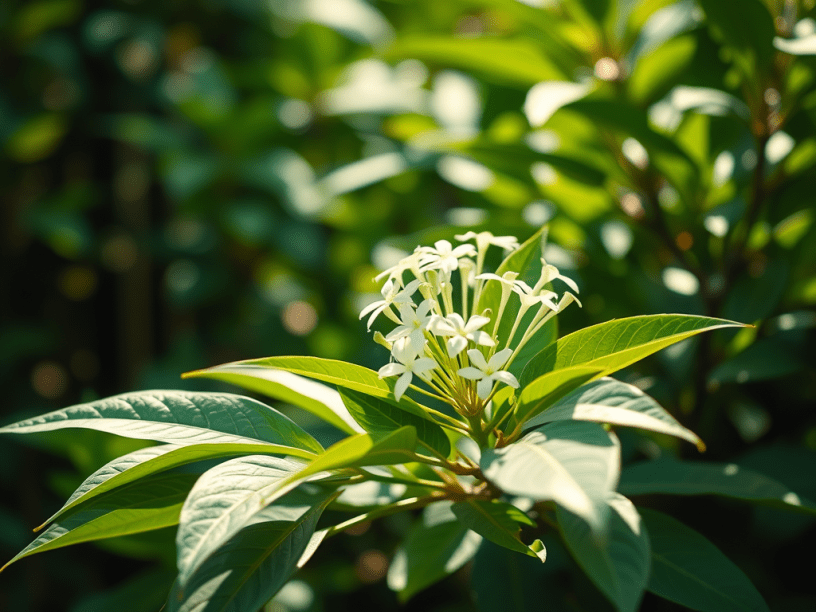
The Philippines, an archipelago teeming with biodiversity, boasts a rich tapestry of medicinal plants. For centuries, Filipinos have utilized these plants to alleviate pain and manage various ailments. This article delves into the fascinating world of these natural pain relievers, exploring their legality, effectiveness, and traditional uses.
The Power of Natural Pain Relief
Pain, a universal human experience, disrupts our daily lives. Conventional pain relievers like ibuprofen and acetaminophen, while effective, can have side effects with prolonged use. This has led to a growing interest in natural alternatives. Philippine flora offers a treasure trove of plants with pain-relieving properties, some with documented scientific backing.
Legality and Responsible Use
While many plants possess pain-relieving properties, it’s crucial to understand their legal status. Consulting a registered herbalist or healthcare professional is essential before incorporating any plant into your wellness routine. Self-diagnosis and unregulated use of certain plants can be detrimental to your health.
Here’s a table outlining some legal and natural pain relievers found in the Philippines:
| Plant Name | Local Name(s) | Active Components | Traditional Uses | Legal Status |
|---|---|---|---|---|
| Lagundi (Clerodendrum philippinum) | Banaba, Paragis | Forsythin, Luteolin | Cough, fever, pain relief | Legal |
| Tawa-tawa (Euphorbia hirta) | Gatas-Gatas | Phyllanthus niruri, Quercetin | Asthma, diarrhea, pain relief | Legal |
| Acapulco (Chromolaena odorata) | Ham呼ば (Hamurawa) | Ageratochromene | Headaches, muscle pain | Illegal – Invasive Species |
| Guava (Psidium guajava) | Bayabas | Quercetin, Myricetin | Diarrhea, wounds, pain relief | Legal |
| Alugbati (Basella alba) | Alugbati | Betanin, Scopoletin | Skin conditions, wounds, pain relief | Limited Regulation – Consult a Healthcare Professional |
Exploring the Powerhouse Plants:
- Lagundi (Clerodendrum philippinum): This flowering shrub, widely used in cough syrups, possesses anti-inflammatory properties. Studies suggest Lagundi extracts might be effective in managing pain associated with arthritis and menstrual cramps.
- Tawa-tawa (Euphorbia hirta): This small, milky-sap plant is a popular folk remedy for various ailments. Scientific research indicates Tawa-tawa extracts exhibit analgesic (pain-relieving) and anti-inflammatory effects.
Important Note: Acapulco (Chromolaena odorata), while traditionally used for pain relief, is a declared invasive species in the Philippines. Its possession and use are illegal.
- Guava (Psidium guajava): This tropical fruit is not just delicious but also offers pain-relieving benefits. Guava leaves contain quercetin and myricetin, flavonoids with anti-inflammatory properties that might help manage pain.
- Alugbati (Basella alba): This leafy green vegetable is a common ingredient in Filipino cuisine. While its pain-relieving properties require further research, Alugbati is traditionally used to soothe wounds and skin conditions, potentially reducing associated discomfort.
Disclaimer: This information is not intended as a substitute for professional medical advice. Always consult a doctor before using any herbal remedy, especially if you are pregnant, breastfeeding, or taking other medications.
Beyond the Plants: Traditional Practices
Filipino traditional medicine, also known as “Hilot,” incorporates various practices beyond plant-based remedies. Hilot practitioners use massage techniques like “tawas” (using alum) and “ventosa” (cupping therapy) to alleviate pain. These practices are believed to improve circulation and reduce muscle tension.
The Path Forward: Integrating Tradition and Science
The Philippines has a rich heritage of using natural remedies for pain management. While traditional knowledge is valuable, scientific research is crucial to validate these practices and ensure safe and effective use. Further studies are needed to understand the mechanisms of action of these plants and their potential side effects.
Conclusion:
Nature provides a vast arsenal of pain-relieving plants. The Philippines, with its diverse flora, offers a promising avenue for exploring natural pain management solutions. By combining traditional knowledge with scientific research, we can unlock the full potential of these natural remedies, paving the way for a more holistic approach to pain management.
Remember:
- Always consult a healthcare professional before using any herbal remedy.
- Respect the legal status of plants and avoid using invasive species.
- Embrace the potential of traditional practices alongside scientific exploration.
By working together, we can leverage the power of nature to alleviate pain and promote overall well-being.
Discover more from WPS News
Subscribe to get the latest posts sent to your email.
 WPS News