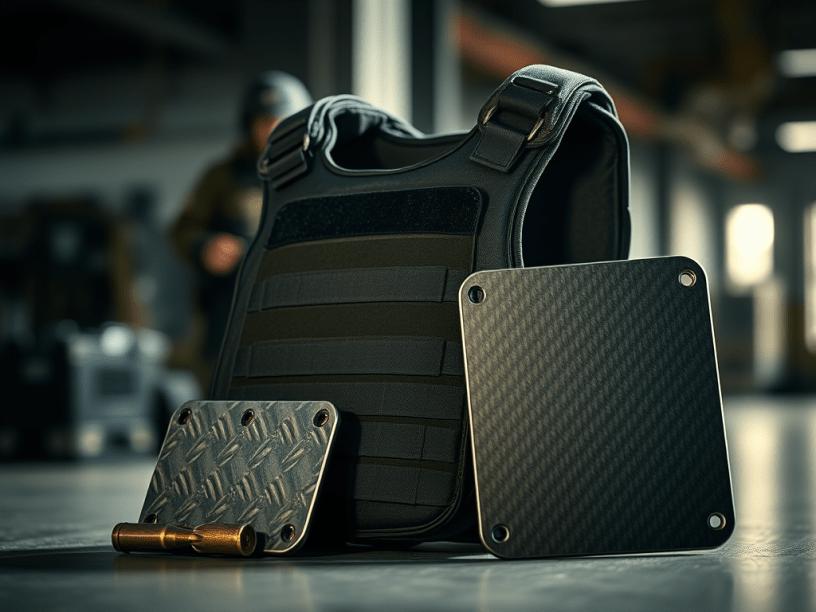
Baybay City, Eastern Visayas, Philippines – June 2, 2025 – In a world where threats are ever-evolving, the need for effective personal protection equipment (PPE) remains paramount. Law enforcement officers, military personnel, and civilians in high-risk situations rely on ballistic vests and shields to deflect potentially life-threatening projectiles. Kevlar and carbon fiber have emerged as prominent materials in this domain, offering impressive levels of protection. However, the question often arises: how thick do these materials need to be, and what additional backing is required to effectively stop the penetration of high-caliber rifle bullets, particularly those of 7.62 caliber or greater?
Understanding the Threats: The Power of 7.62mm Caliber Rifles
Rifles chambered for 7.62x39mm and 7.62x51mm NATO ammunition are widely used across the globe. The 7.62x39mm round, commonly associated with AK-47 rifles, boasts significant kinetic energy, capable of inflicting devastating damage. The 7.62x51mm NATO round, employed in powerful sniper rifles and assault weapons, packs even greater punch, making it a formidable threat.
The Role of Kevlar and Carbon Fiber: Stopping Power with Limitations
Kevlar, a synthetic fiber known for its remarkable strength-to-weight ratio, is a mainstay in ballistic vests. It excels at stopping handgun bullets and lower-velocity rifle rounds. However, its effectiveness against high-caliber rifle bullets diminishes rapidly.
Carbon fiber, another lightweight yet robust material, offers a potential solution. Its exceptional tensile strength allows it to absorb and distribute the impact of a bullet more effectively than Kevlar. However, similar to Kevlar, its ability to stop high-caliber rifle bullets remains limited, particularly for thicker projectiles.
The Importance of Backing Plates: Adding Steel or Ceramic for Enhanced Protection
To address the limitations of Kevlar and carbon fiber against high-caliber threats, ballistic vests and shields often incorporate backing plates. These plates are typically made from high-hardness materials like steel or ceramic.
- Steel Backing Plates: Ballistic steel plates offer a proven and cost-effective solution. Steel’s high density allows it to effectively deflect and deform bullets, preventing penetration. However, steel plates come with a significant drawback: weight. Thick steel plates required to stop high-caliber rounds can be cumbersome and limit mobility.
- Ceramic Backing Plates: Ceramic plates provide a lighter alternative to steel while maintaining impressive stopping power. Their high hardness allows them to shatter bullets upon impact, dispersing the energy and preventing penetration. However, ceramic plates are more susceptible to damage from dropped vests or blunt trauma. Additionally, they tend to be more expensive than steel counterparts.
Finding the Right Balance: Thickness Considerations
The thickness of both the Kevlar/carbon fiber layers and the backing plate play a crucial role in determining the level of protection offered. Here’s a breakdown of some general considerations:
- Kevlar/Carbon Fiber: While the specific thickness depends on the desired threat level, generally, thicker layers of Kevlar or carbon fiber will offer better protection against lower-caliber threats. However, increasing thickness significantly for high-caliber rounds offers diminishing returns, as the primary stopping power comes from the backing plate.
- Steel Backing Plates: For 7.62x39mm rounds, steel plates with a minimum thickness of 6mm are considered effective. Stopping 7.62x51mm NATO rounds typically requires thicker plates, ranging from 8mm to 10mm. It’s important to note that these are estimates, and actual performance can vary depending on the specific bullet type and its velocity.
- Ceramic Backing Plates: Ceramic plates designed to stop 7.62x39mm rounds typically have a thickness of around 4mm to 6mm. For 7.62x51mm NATO rounds, thicker plates are needed, ranging from 6mm to 8mm. Again, these are estimates, and ballistic testing is crucial to confirm effectiveness.
Beyond Thickness: Additional Factors to Consider
While thickness plays a critical role, other factors influence the effectiveness of ballistic protection:
- Bullet Type: Different bullet types, like armor-piercing (AP) rounds, present a greater challenge than standard ball ammunition. Ballistic vests and shields are typically rated for specific threat levels based on the types of bullets they can stop.
- Bullet Velocity: Higher bullet velocity translates to greater impact energy, requiring thicker or more robust materials to achieve effective stopping power.
- Multi-Hit Capability: Ballistic plates, particularly ceramic ones, may lose effectiveness after being struck by multiple bullets. This is a critical consideration, as real-world threats often involve multiple rounds fired in rapid succession. To address this, manufacturers often incorporate advanced materials and designs that can withstand multiple impacts.
- Ergonomics and Comfort: While protection is paramount, comfort and ergonomics are crucial for extended wear. Ballistic vests and shields must be designed to minimize fatigue and maximize mobility. This involves careful consideration of factors like weight distribution, ventilation, and fit.
- Cost: Ballistic protection can be expensive, particularly for high-performance solutions capable of stopping high-caliber threats. Balancing cost with protection requirements is a complex challenge, and users often must make trade-offs based on their specific needs and budget constraints.
The Future of Ballistic Protection: Innovation and Emerging Technologies
The field of ballistic protection is constantly evolving, with researchers and manufacturers striving to develop lighter, more durable, and more effective materials and designs. Some promising developments include:
- Advanced Materials: Nanotechnology and composite materials offer the potential to create ballistic materials with enhanced strength, weight reduction, and impact resistance.
- Smart Materials: Materials that can self-heal or adapt to changing conditions could revolutionize ballistic protection.
- Integrated Technology: Ballistic vests and shields may be integrated with advanced technologies like sensors, communication devices, and health monitoring systems.
Conclusion
The thickness of Kevlar, carbon fiber, and backing plates required to stop high-caliber rifle bullets is a complex issue with no one-size-fits-all answer. The optimal solution depends on a variety of factors, including the specific threat level, the desired level of protection, and the user’s individual needs. By carefully considering these factors and staying informed about the latest advancements in ballistic technology, individuals and organizations can make informed decisions to ensure their safety.
Note: This article is intended for informational purposes only and should not be construed as professional advice. For specific recommendations on ballistic protection, consult with experts in the field.
Discover more from WPS News
Subscribe to get the latest posts sent to your email.
 WPS News