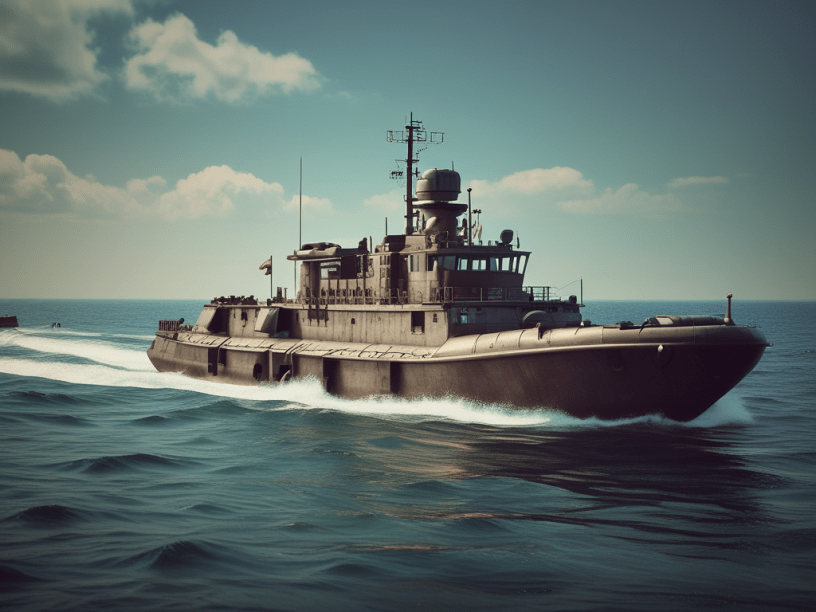
The Philippines, with its vast archipelago, presents a unique opportunity for maritime entrepreneurship. Landing craft, versatile vessels capable of operating in both water and land, have become essential for transporting goods and people between islands. However, the economic viability of operating a landing craft depends on several factors, including route selection, market analysis, operational efficiency, and regulatory compliance.
Identifying Profitable Routes
The key to a successful landing craft operation lies in selecting profitable routes. This requires a thorough understanding of the local economy, transportation infrastructure, and consumer needs.
- Inter-Island Trade: Focusing on routes with high cargo volume, such as those connecting major islands like Luzon, Visayas, and Mindanao, can be lucrative. Commodities such as food, construction materials, and consumer goods often have high demand in island economies.
- Tourism: Islands with thriving tourism industries can be attractive destinations for landing craft operators. Transporting tourists and their luggage, as well as supplies for resorts and hotels, can generate substantial revenue.
- Disaster Relief and Logistics: While not a consistent income source, offering services for disaster relief and logistics can enhance a landing craft operator’s reputation and potentially lead to additional business opportunities.
Market Analysis and Competition
Conducting a comprehensive market analysis is crucial before investing in a landing craft business. This involves: - Demand Assessment: Identifying the specific goods and services required on target islands.
- Competitive Analysis: Evaluating the existing competition in terms of pricing, service quality, and market share.
- Pricing Strategy: Determining competitive and profitable pricing for cargo and passenger transportation.
- Customer Segmentation: Understanding different customer segments and their specific needs.
Operational Efficiency and Cost Management
Efficient operations are essential for maximizing profitability. Key factors include: - Vessel Maintenance: Regular maintenance of the landing craft is crucial to prevent breakdowns and ensure optimal performance.
- Crew Management: Hiring skilled and experienced crew members is vital for safe and efficient operations.
- Fuel Efficiency: Implementing strategies to reduce fuel consumption, such as optimizing vessel speed and load, can significantly impact profitability.
- Port Fees and Charges: Understanding and managing port fees, taxes, and other operational costs is essential for financial control.
Regulatory Compliance and Permits
Adhering to maritime regulations is paramount for avoiding penalties and ensuring the safety of passengers and crew. Necessary permits and licenses include: - Maritime Industry Authority (MARINA) Registration: Registering the landing craft with MARINA and obtaining the required certifications.
- Certificate of Public Convenience (CPC): If carrying passengers for hire, securing a CPC from the Land Transportation Franchising and Regulatory Board (LTFRB).
- Local Government Permits: Obtaining permits from local government units for operating in specific areas.
Financial Considerations and Risk Management
Investing in a landing craft requires significant capital. Careful financial planning is essential to ensure the business’s sustainability. Key financial considerations include: - Capital Investment: Determining the cost of purchasing or leasing a landing craft, including equipment and infrastructure.
- Operating Expenses: Estimating ongoing costs such as fuel, crew salaries, maintenance, and insurance.
- Revenue Projections: Forecasting potential revenue based on market analysis and operational plans.
- Risk Management: Identifying potential risks, such as natural disasters, economic downturns, and accidents, and developing strategies to mitigate them.
Emerging Opportunities and Challenges
The landing craft industry in the Philippines is dynamic, with new opportunities and challenges emerging regularly. Some trends to watch include: - E-commerce and Logistics: The growth of e-commerce in the Philippines presents opportunities for transporting goods to remote islands.
- Infrastructure Development: Government investments in port facilities and transportation infrastructure can impact the industry.
- Environmental Regulations: Increasingly stringent environmental regulations may require investments in eco-friendly technologies.
Case Studies
To illustrate the potential profitability of operating a landing craft in the Philippines, let’s examine two hypothetical case studies:
Case Study 1: Inter-Island Cargo Transportation
A landing craft operating between Cebu and Bohol, focusing on transporting perishable goods like seafood and agricultural products, can be profitable due to the high demand for fresh produce on both islands. By establishing partnerships with local farmers and fishermen, the operator can ensure a steady supply of cargo.
Case Study 2: Tourist Transportation
A landing craft operating between mainland Palawan and the island resorts can be a viable business, especially during peak tourist seasons. Offering package tours that include transportation, accommodation, and island hopping activities can increase revenue.
While the potential for profitability in the landing craft industry is significant, it’s essential to conduct thorough market research and develop a well-structured business plan before investing. By carefully considering the factors outlined above, entrepreneurs can increase their chances of success in this maritime venture.
Would you like to focus on a specific island group or type of cargo for a more in-depth analysis?
Discover more from WPS News
Subscribe to get the latest posts sent to your email.
 WPS News