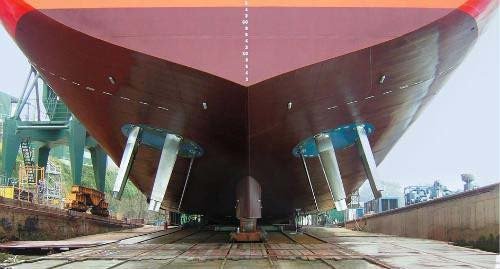
Cycloidal Savvy: Unveiling the Maneuverability Master (A WPS.News Exclusive)
In the intricate world of marine propulsion, maneuverability reigns supreme for certain vessels. Enter the Cycloidal Propeller, a unique design featuring a rotating disc with multiple blades, offering exceptional control and thrust in tight spaces. However, with various players in the game, choosing the right Cycloidal Propeller requires careful consideration.
WPS.News dives into the pros and cons of the top 5 Cycloidal Propellers available today:
1. Schottel – SCP Propeller:
- Pros:
- Renowned brand known for its reliability and expertise in steerable propulsion systems.
- Offers a wide range of sizes and power options, catering to various vessel needs.
- Proven track record in applications like tugboats, ferries, and offshore support vessels.
- Cons:
- Generally more expensive compared to conventional propellers due to their complexity.
- Maintenance procedures might be more involved due to the unique design.
2. Veth Propulsion – CRP Cycloidal Propeller:
- Pros:
- Focuses on compact and lightweight designs, ideal for retrofitting existing vessels.
- Offers excellent maneuverability at both low and high speeds.
- Proven success in applications like dredgers, workboats, and research vessels.
- Cons:
- Limited availability compared to some competitors, particularly in certain regions.
- Might require specialized training for maintenance personnel.
3. Ulstein – Aquamaster Cycloidal Propeller:
- Pros:
- Backed by the expertise of Ulstein, a leader in advanced ship design and technology.
- Offers high efficiency alongside exceptional maneuverability.
- Well-suited for demanding offshore operations and dynamic positioning applications.
- Cons:
- Can be a pricier option compared to some competitors.
- Lead times for custom designs could be longer.
4. Kawasaki Heavy Industries – Kawasaki Cycloidal Propeller (KCP):
- Pros:
- Renowned Japanese manufacturer known for its high-quality engineering.
- Offers a good balance between performance, maneuverability, and cost-effectiveness.
- Proven success in applications like fishing vessels, patrol boats, and workboats.
- Cons:
- Availability might be limited outside of Asia due to Kawasaki’s regional focus.
- Information on specific performance data might be less readily available.
5. Rolls-Royce – Aquatec Cycloidal Propeller:
- Pros:
- Combines Rolls-Royce’s innovative spirit with Cycloidal technology.
- Focuses on lightweight materials for improved vessel performance.
- Offers excellent maneuverability and control, suitable for various demanding applications.
- Cons:
- Availability might be limited in certain regions due to Rolls-Royce’s global network.
- Specialized training for maintenance personnel might be required.
Choosing the Right Cycloidal Propeller:
The ideal Cycloidal Propeller depends on your specific needs. Consider factors like:
- Vessel Type and Operation: Tugboats and ferries prioritize maneuverability, while offshore vessels might require dynamic positioning capabilities.
- Budget: Costs can vary depending on brand, size, and complexity.
- Maintenance Capabilities: Consider the complexity of the design and your access to qualified personnel.
The Future of Cycloidal Technology:
Cycloidal Propellers are continuously evolving, with advancements in materials and control systems promising even greater maneuverability and efficiency. As the need for precise vessel control in complex environments grows, Cycloidal technology is poised to play a vital role in the future of maritime operations.
WPS.News remains committed to providing insightful maritime industry updates. Stay tuned for further exploration of cutting-edge marine technologies!
Discover more from WPS News
Subscribe to get the latest posts sent to your email.
 WPS News