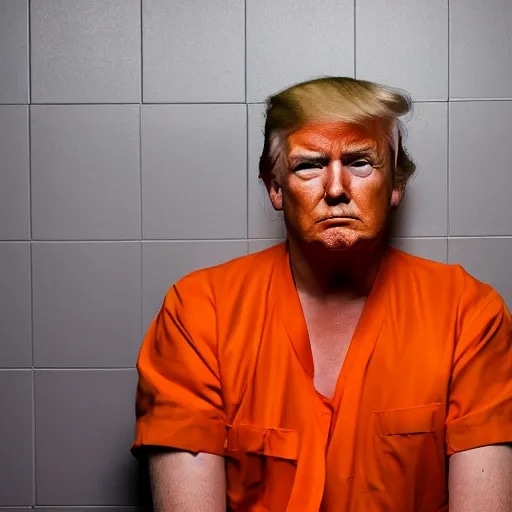
An Analysis of His Presidency from 2017 to 2021 and Beyond
By Cliff Potts, Editor-in-Chief, WPS News, Europe Desk
The term “tyrant” often evokes images of oppressive rulers who wield power without regard for democratic principles or the rule of law. During his presidency from January 20, 2017, to January 20, 2021, Donald Trump exhibited behaviors and policies that some critics argue align with tyrannical governance. This analysis will explore the characteristics of tyranny as they relate to Trump’s actions during his first term and the implications of his potential return to power in 2025.
Tyranny is typically characterized by the concentration of power in a single leader, the erosion of democratic institutions, and the suppression of dissent. Trump’s presidency was marked by a series of actions that raised concerns about his commitment to democratic norms. For instance, his frequent attacks on the media, labeling them as “fake news,” and his dismissal of judicial rulings that contradicted his policies, such as the travel ban, demonstrated a troubling disregard for checks and balances (Levitsky & Ziblatt, 2018). These actions can be seen as attempts to undermine the institutions that hold leaders accountable, a hallmark of tyrannical rule.
Moreover, Trump’s rhetoric often suggested a willingness to bypass democratic processes. His statements about wanting to be a “dictator” and his admiration for authoritarian leaders raised alarms among political analysts and historians. For example, during a rally, he remarked that he could “do whatever I want” if he were re-elected, indicating a potential inclination towards autocratic governance (Klein, 2020). Such comments reflect a mindset that prioritizes personal power over democratic principles.
The events surrounding the 2020 presidential election further exemplified Trump’s tyrannical tendencies. After losing the election, Trump propagated unfounded claims of widespread voter fraud and sought to overturn the election results through various means, including pressuring state officials and inciting the January 6 Capitol riot (Baker, 2021). This insurrection was a direct attack on the democratic process and showcased a willingness to resort to violence to maintain power, a behavior often associated with tyrants.
Looking ahead to 2025, Trump’s return to the presidency raises significant concerns. His previous tenure revealed vulnerabilities in American democracy that could be exploited by a leader with authoritarian inclinations. Political scientists have noted that the rise of competitive authoritarianism often requires the complicity of influential allies, and Trump’s ability to mobilize a dedicated base suggests he could attempt to consolidate power further (Levitsky & Ziblatt, 2018). If he were to return to office, the implications for democratic governance could be profound, as he has indicated a desire to reshape the government in ways that could undermine democratic institutions.
While the label of “tyrant” is a serious accusation, the evidence from Trump’s presidency suggests that he exhibited many behaviors associated with tyrannical leaders. His disregard for democratic norms, attacks on the media, and attempts to overturn election results reflect a troubling pattern. As he prepares for a potential return to power, it is crucial for voters and lawmakers to remain vigilant in protecting democratic principles and institutions.
References
Baker, P. (2021). Trump’s efforts to overturn the election: A timeline. The New York Times.
Klein, E. (2020). The danger of Trump’s authoritarianism. Vox.
Levitsky, S., & Ziblatt, D. (2018). How democracies die. Crown Publishing Group.
Discover more from WPS News
Subscribe to get the latest posts sent to your email.
 WPS News