Introduction
Bay, Leyte, located in the eastern region of the Philippines, is a city that uniquely blends its rich cultural heritage with modern advancements. As the population grows and urbanization continues, the need for efficient, accessible, and affordable transportation becomes more pressing. In recent years, public vehicles, specifically “public cars,” have emerged as a popular mode of transportation in the local context. This report explores the dynamics of public cars in BayBay, examining their impact on the community, challenges faced, and the future of transportation in this vibrant city.
Understanding Public Cars
Public cars in BayBay typically refer to passenger vehicles that operate on a shuttle basis, transporting locals in a specified route for a minimal fare. This mode of transport is gaining traction due to a combination of factors, including population growth, the inadequacy of existing public transport, and the increasing demand for flexible travel options.
The Operational Model
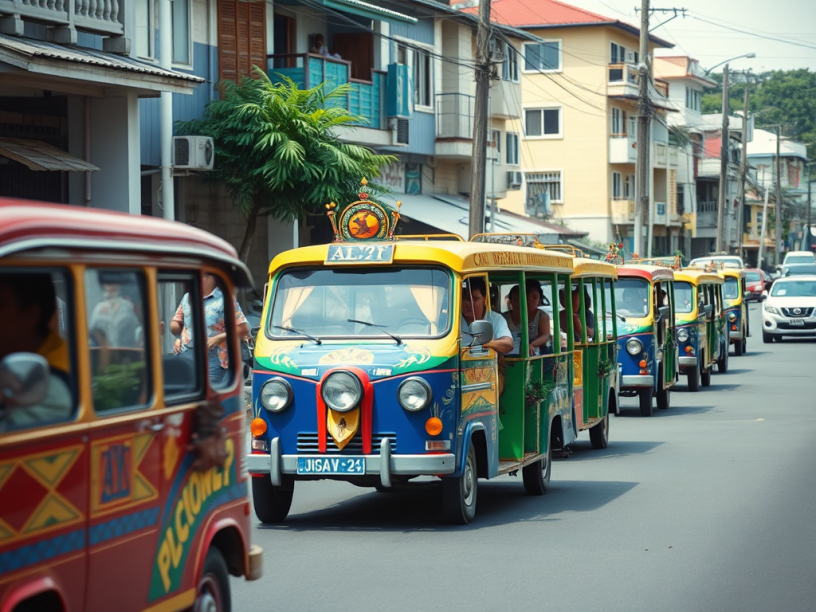
These public cars generally adhere to a specific route, stopping at designated pick-up and drop-off points throughout the city. Often branded with colorful paint and advertised on social media platforms, they provide a convenient alternative to traditional jeepneys, tricycles, and buses. The fare structure is usually affordable, making it an appealing option for daily commuters, students, and workers alike.
The Historical Context
Historically, public transportation in BayBay has been dominated by jeepneys and tricycles. While these vehicles cover much ground, emerging challenges such as traffic congestion, safety concerns, and limited capacity have necessitated a shift toward alternative public transport solutions. The introduction of public cars reflects a broader trend in the Philippines where urban areas are seeking to modernize and adapt to the needs of their citizens.
The Role of Public Cars in the Community
Accessibility and Convenience
Public cars have significantly improved accessibility in BayBay. With routes tailored to common destinations—schools, marketplaces, hospitals, and business districts—residents find it easier to navigate the city. The cars are equipped to hold several passengers, therefore minimizing waiting times compared to traditional public transport.
Economic Impact
The rise of public cars has also created economic opportunities. Vehicle owners or operators have the chance to earn a living through these services. Additionally, the availability of public cars encourages local commerce by facilitating easier access to businesses, shops, and markets.
Social Interaction
Public cars serve as a melting pot of the community, fostering social interaction among residents. Passengers from various backgrounds engage with one another, creating a sense of community that is intrinsic to BayBay’s identity.
Challenges Facing Public Cars
While the popularity of public cars continues to rise, several challenges must be addressed.
Regulation and Safety Concerns
One of the main challenges is ensuring the safety and regulatory compliance of these vehicles. As a relatively new transportation model in BayBay, public cars must adhere to safety standards to protect passengers. This includes regular vehicle maintenance checks, driver training, and compliance with local traffic regulations.
Traffic Management
Increased use of public cars has contributed to rising traffic levels in BayBay. The local government must implement effective traffic management strategies to minimize congestion while accommodating the growing number of vehicles on the road.
Market Saturation
As more individuals recognize the potential financial benefits of operating public cars, there is a risk of oversaturating the market. An influx of vehicles could lead to intense competition, ultimately impacting service quality and fare rates.
The Future of Public Cars in BayBay
Technological Integration
The future of public cars in BayBay appears promising, especially with advancements in technology. The integration of mobile applications for booking rides could revolutionize how residents use public cars, providing real-time tracking and facilitating seamless transactions.
Collaborative Efforts
Public-private partnerships could enhance the public transport system. The local government, in collaboration with vehicle operators, can develop initiatives that prioritize safety and efficiency while addressing community needs.
Environmental Considerations
The city of BayBay, like many urban areas worldwide, faces environmental challenges. Promoting the use of environmentally friendly vehicles as public cars—such as electric or hybrid models—can help mitigate pollution and contribute to a sustainable transportation system.
Conclusion
Public cars in BayBay, Leyte, represent a significant paradigm shift in local transportation. They address many of the challenges posed by traditional modes of transport while providing economic, social, and environmental benefits. However, continued growth will require careful planning, regulation, and collaboration between stakeholders to ensure that the promise of public cars is fully realized. As this new transportation model matures, BayBay is poised to become a benchmark for innovative public transport solutions in the Philippines.
Recommendations
1. Establish Regulatory Frameworks:Local authorities should develop comprehensive regulations that guarantee vehicle safety and driver training to instill public confidence in this new mode of transport.
2. Implement Traffic Management Solutions: Effective traffic management strategies must be developed to accommodate the growth of public cars while minimizing congestion.
3. Encourage Technology Adoption: The local government should encourage the adoption of technology through investments in mobile applications that enhance passenger experience and efficiency.
4. Promote Environmental Responsibility: The government could introduce incentives for operators to use eco-friendly vehicles, thus supporting a sustainable transport system.
5. Involve the Community: Engaging local communities in discussions about transportation needs and solutions will ensure that public cars evolve in a way that truly serves their interests and needs.
By considering these recommendations, BayBay can create an effective and sustainable transportation system that benefits residents and enhances their quality of life.
Discover more from WPS News
Subscribe to get the latest posts sent to your email.
 WPS News