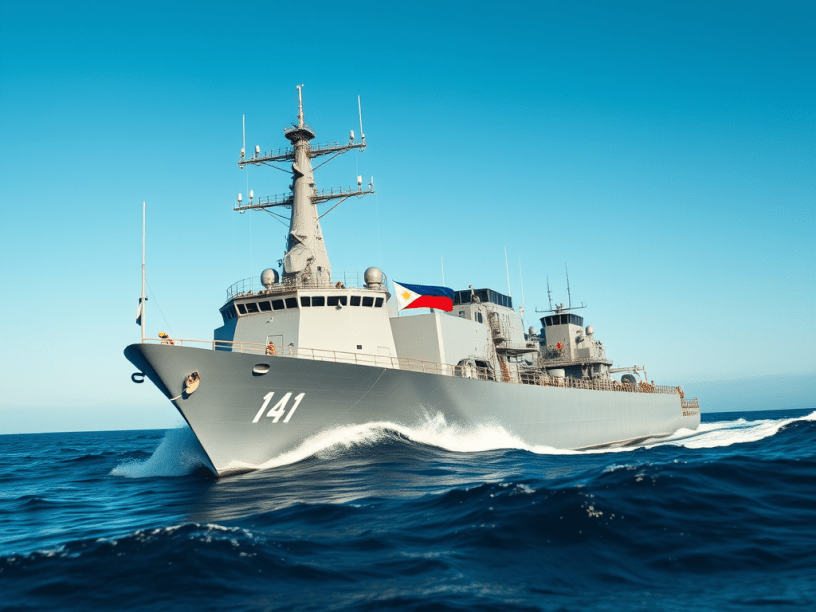
The West Philippine Sea (WPS), a resource-rich maritime region within the South China Sea, remains a geopolitical hotspot. Territorial disputes simmer, with China’s expansive claims clashing with those of the Philippines and other Southeast Asian nations. In response, the Philippine government has embarked on a significant military modernization program, aiming to bolster its defense capabilities and safeguard its national interests in the WPS.
Acquiring New Hardware: Bolstering Philippine Naval Prowess
A central pillar of the modernization program is the acquisition of new military equipment, with a particular focus on strengthening the Philippine Navy. Recent years have seen a flurry of acquisitions, including:
- Two frigates from South Korea: The Jose Rizal-class frigates, procured in 2020, are equipped with advanced weaponry and sensors, significantly enhancing the Navy’s firepower and surveillance capabilities.
- Fast Attack Craft (FACs) from Israel: These agile vessels are designed for patrolling territorial waters and engaging in close-quarter combat. Their arrival bolsters the Navy’s capacity for rapid response and coastal defense.
- Shore-based Missile Systems: The acquisition of land-based anti-ship missiles provides the Philippines with a deterrent capability against larger vessels operating within the WPS.
These acquisitions mark a significant shift for the Philippine Navy, traditionally reliant on aging and less sophisticated vessels. The new equipment enhances the Navy’s ability to:
- Patrol and secure Philippine territorial waters: Increased mobility and firepower enable the Navy to conduct more frequent patrols and deter illegal activities within the WPS.
- Respond to potential threats: The improved capabilities provide the Philippines with a stronger deterrent against incursions and potential conflicts.
- Engage in joint exercises with allies: Modernized equipment facilitates closer cooperation with partner nations like the United States and Japan, strengthening regional security architecture.
Regional Security Implications: A Delicate Balance
The Philippines’ military modernization program has significant implications for regional security dynamics. While it bolsters Philippine defense capabilities, it also introduces new elements to the already complex geopolitical landscape of the South China Sea. Here’s a breakdown of the potential outcomes:
- Enhanced deterrence: A more robust Philippine military presence in the WPS could deter Chinese assertiveness and prevent further militarization of the region.
- Increased regional cooperation: The modernization program could incentivize closer collaboration between the Philippines and regional partners who share concerns about China’s growing influence. This could lead to joint patrols, intelligence sharing, and coordinated responses to regional security threats.
- Potential for escalation: China might view the Philippine modernization program as a challenge to its dominance in the South China Sea, leading to increased tensions and a heightened risk of miscalculation in the disputed waters.
Navigating Tensions: The China Factor
China remains the most significant factor influencing the security dynamics of the WPS. The Philippines’ modernization program is likely to be viewed by China with some degree of suspicion. Here’s a closer look at the potential for increased tensions:
- Assertive Actions: China might respond to the Philippine military buildup with increased naval activity within the WPS, further straining relations.
- “Gray Zone” Tactics: China could employ “gray zone” tactics, such as increased coast guard patrols and maritime harassment, to pressure the Philippines and assert its dominance.
- Diplomatic Pressure: China might resort to diplomatic pressure, attempting to isolate the Philippines regionally or impede further military acquisitions.
Mitigating Tensions: The Importance of Diplomacy
While the potential for increased tensions exists, it’s crucial to highlight the importance of diplomacy in managing the situation. The Philippines can pursue several strategies to mitigate tensions:
- Transparency and Communication: Maintaining open communication channels with China regarding the purpose and scope of the modernization program can help alleviate concerns about its intentions.
- Focus on Defense, not Offense: Emphasizing the defensive nature of the program and its role in safeguarding Philippine territorial integrity can help de-escalate tensions.
- Cooperation with Regional Partners: Continued collaboration with regional partners like the United States and Japan strengthens the Philippines’ position and promotes a rules-based order in the South China Sea.
Conclusion: A Modernized Military for a Secure Future
The Philippines’ military modernization program is a significant undertaking aimed at safeguarding the country’s national interests in the West Philippine Sea. While the program carries the potential for increased regional tensions, it also presents an opportunity for the Philippines to strengthen its defense capabilities and promote regional security alongside its partners. By pursuing a balanced approach that prioritizes transparency, diplomacy, and a rules-based order, the Philippines can navigate the evolving security landscape of the West Philippine Sea and ensure a more secure future for its citizens.
Discover more from WPS News
Subscribe to get the latest posts sent to your email.
 WPS News