By Cliff Potts & Gemini, WPS.News Correspondents
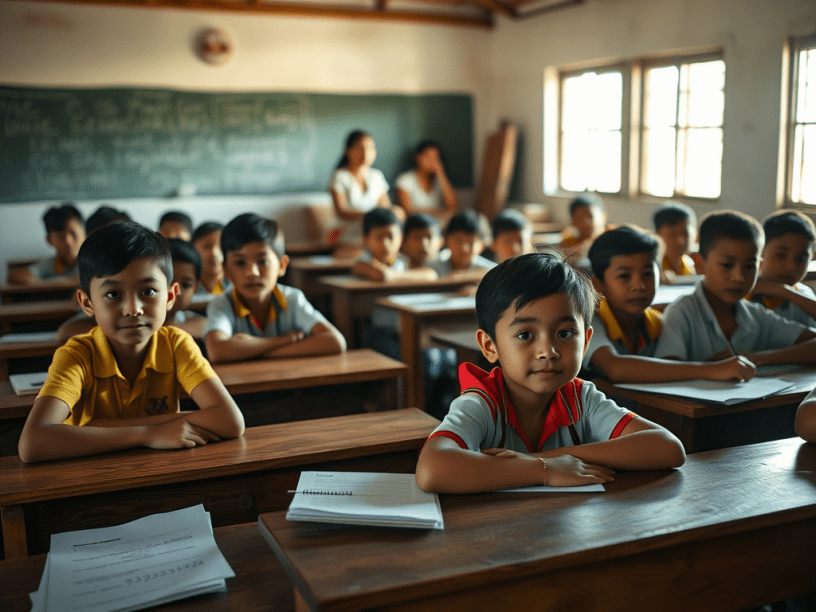
Baybay City, Philippines – June 24, 2025 – Education, the cornerstone of a thriving nation, faces a significant challenge in the Philippines: unequal access to quality education, particularly in rural areas. This disparity hinders social mobility, perpetuates poverty cycles, and hinders the country’s overall development. This report delves into the concerns surrounding rural education in the Philippines, explores evidence-based solutions from scientific research, and proposes a roadmap for improvement.
The Rural Education Gap: A Multifaceted Problem
The gap between rural and urban education in the Philippines manifests in several ways:
- Infrastructure Deficits: Many rural schools lack basic amenities like proper classrooms, libraries, laboratories, and technology access. This creates a stark contrast with urban schools, hindering a holistic learning environment.
- Teacher Shortages: Rural areas often face a shortage of qualified teachers, leading to overcrowded classrooms and a dilution of individualized attention.
- Learning Materials Scarcity: Textbooks and other learning materials are often scarce in rural schools, limiting access to diverse educational resources.
- Poverty Barriers: Financial constraints force many rural families to prioritize immediate needs over education, leading to higher dropout rates.
These factors have cascading effects. A 2023 study by the Philippine Institute for Development Studies (PIDS) found that students from rural areas consistently score lower on standardized tests compared to their urban counterparts. This translates to limited opportunities for higher education and future employment, perpetuating the cycle of inequality.
Scientific Solutions for Rural Education Improvement
Fortunately, research offers a plethora of practical solutions to bridge the rural education gap:
- Technology Integration: Studies like a 2022 research paper published in the Journal of Educational Technology Development and Exchange highlight the effectiveness of technology in rural education. Utilizing online learning platforms, educational apps, and digital libraries can supplement limited resources and provide access to diverse learning materials.
- Improved Teacher Training and Incentives: A 2021 study by the Brookings Institution emphasizes the importance of robust teacher training programs tailored to the challenges of rural education. Additionally, providing competitive salaries and housing benefits can attract and retain qualified teachers in remote areas.
- Community-Based Learning: Research published in the International Journal of Educational Development in 2020 suggests the benefits of community-based learning programs. Integrating local knowledge, resources, and cultural practices can enhance learning experiences and foster a sense of ownership among students and the community.
- Parental Involvement Programs: Studies like a 2019 paper published in Educational Psychology Review showcase the positive impact of parental involvement on student achievement. Implementing programs that educate parents on the importance of education and equip them with strategies to support their children’s learning can significantly improve outcomes.
- Performance-Based School Funding: A 2018 World Bank report advocates for performance-based school funding, where resources are allocated based on student needs and school performance. This can incentivize rural schools to improve their educational quality and attract more resources.
A Roadmap for Action
Based on the research findings, a multi-pronged approach is crucial to address the rural education gap in the Philippines:
- Investment in Rural Infrastructure: The government needs to prioritize allocating resources for building new schools, renovating existing ones, and providing essential amenities like libraries, laboratories, and technology infrastructure.
- Teacher Recruitment and Retention Programs: Develop targeted scholarship programs to attract promising graduates to rural areas. Offer competitive salaries, housing benefits, and ongoing professional development opportunities to retain qualified teachers.
- Bridging the Digital Divide: Partner with telecommunications companies to expand internet access in rural areas. Invest in training programs for teachers and students to utilize technology effectively for learning.
- Strengthening Partnerships: Foster collaboration between the Department of Education, local governments, NGOs, and private sector entities to leverage resources, expertise, and community engagement for rural education development.
- Community-Based Education Initiatives: Integrate local knowledge, culture, and resources into the curriculum through partnerships with local communities. Encourage community members to participate in school activities and provide mentorship opportunities.
- Parental Engagement Programs: Implement workshops and seminars to educate parents on the importance of education and equip them with strategies to support their children’s learning at home.
- Performance-Based School Funding: Implement a system where schools receive funding based on student needs and performance. This can incentivize schools to focus on improvement and cater effectively to students from disadvantaged backgrounds.
Conclusion
Bridging the rural-urban education gap is a complex challenge that requires a multifaceted and sustained effort. By implementing evidence-based solutions, fostering collaboration, and empowering rural communities, the Philippines can strive towards a more equitable education system. This will unlock the full potential of its youth and propel the nation towards a brighter future.
References
- Philippine Institute for Development Studies (PIDS) (2023). [Study on Rural Education Inequality]
- Journal of Educational Technology Development and Exchange (2022). [Research Paper on Technology in Rural Education]
- Brookings Institution (2021). [Study on Teacher Training for Rural Areas]
- International Journal of Educational Development (2020). [Research on Community-Based Learning]
- Educational Psychology Review (2019). [Paper on Parental Involvement in Education]
- World Bank (2018). [Report on Performance-Based School Funding]
Discover more from WPS News
Subscribe to get the latest posts sent to your email.
 WPS News