In recent conversations across social media and various platforms, a recurring assertion has emerged: “We live in a constitutional republic with democratic processes. Not a democracy!” While this statement is often made with conviction, it warrants a deeper examination to explore the intricacies of our governance in the United States and clarify what it truly means.
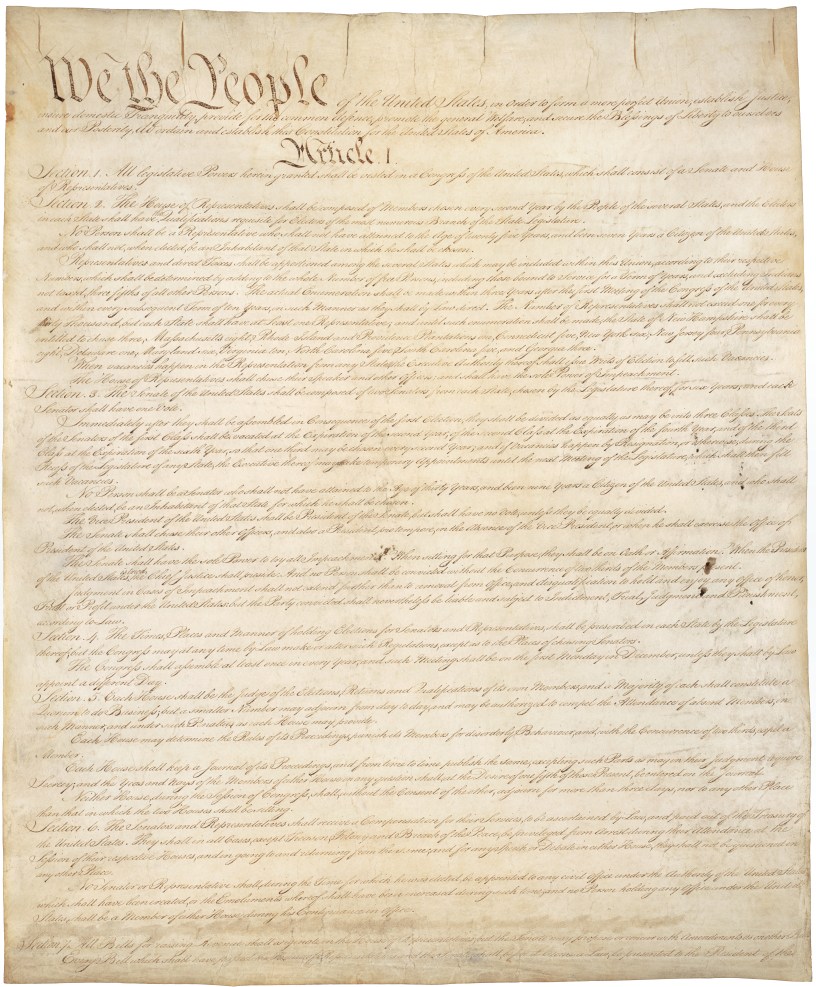
At its essence, the United States operates as a constitutional republic. This means our country is governed by elected representatives who hold power under the authority of a constitution. The Constitution serves as the supreme law of the land, establishing the framework for government and protecting the rights of individuals. As stated in the Preamble, the Constitution aims “to secure the Blessings of Liberty to ourselves and our Posterity,” highlighting the importance of individual freedoms and the responsibilities of government to its citizens.
However, asserting that we are “not a democracy” can be misleading. The term “democracy” encompasses a wide range of systems in which power is ultimately vested in the people. In the context of the United States, we predominantly practice representative democracy, where elected officials are tasked with making decisions that reflect the will of the electorate. Article I of the Constitution establishes the legislative branch, empowering Congress to represent the interests of the people and enact laws.
Moreover, the Constitution also embodies democratic principles through mechanisms such as voting. The right to vote is enshrined in various amendments, including the 15th Amendment, which prohibits the denial of the right to vote based on race, and the 19th Amendment, which grants women the right to vote. These amendments demonstrate our commitment to expanding democratic participation and ensuring that all voices are heard within our political process.
It is essential to recognize that a constitutional republic does not exist in opposition to democracy. Rather, they are complementary aspects of our political identity. A constitutional republic provides the structure and safeguards necessary to protect individual liberties and minority rights, preventing the potential tyranny of the majority which can occur in pure democracies. This is particularly vital in a diverse nation like ours, where diverse viewpoints and interests must be respected.
The significance of the rule of law in our system cannot be overstated. The Constitution lays out a system of checks and balances across the three branches of government—executive, legislative, and judicial—ensuring that no single branch becomes too powerful. This framework is articulated in Federalist No. 51, where James Madison famously stated, “If men were angels, no government would be necessary.” Recognizing the imperfections in humanity, the framers embedded this system to protect against abuses of power and to uphold democratic values.
Engaging in a meaningful discourse about our government means embracing the complexity of its nature. By framing the United States solely as a constitutional republic, we risk oversimplifying the reality of our governance and the principles that underpin it. To truly appreciate the brilliance of our system, we must acknowledge both our status as a constitutional republic and the democratic processes that enable citizens to have a voice in their government.
In conclusion, the U.S. embodies a unique blend of constitutional republic and democratic practices. By understanding and appreciating both aspects, we can foster a more informed and engaged citizenry. Our discourse should honor the Constitution’s intent to “promote the general Welfare” while also recognizing our ongoing commitment to ensuring that every citizen’s voice is heard in the halls of power. It is through this understanding that we can celebrate the character of our nation and strive to uphold the ideals that define American democracy.
Discover more from WPS News
Subscribe to get the latest posts sent to your email.
 WPS News