By Cliff Potts, Editor & Chief, WPS.News
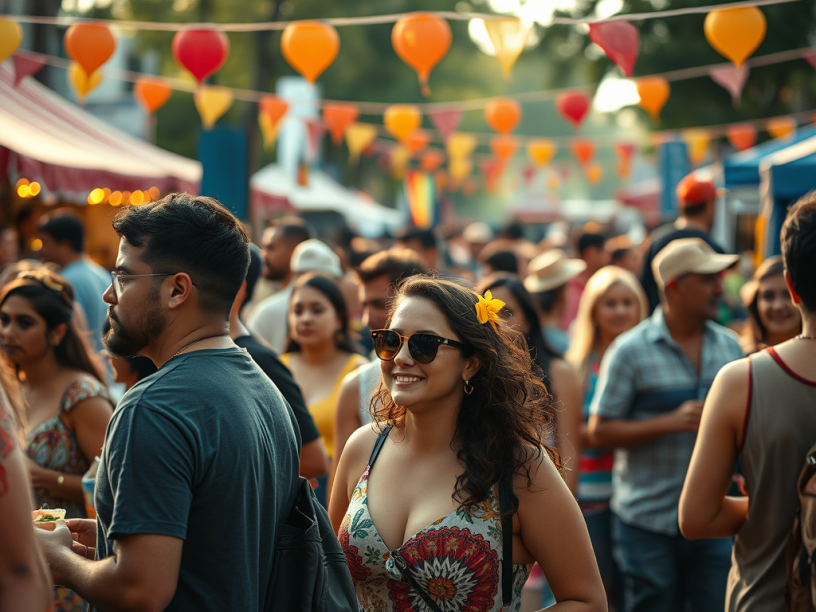
In a time when our nation faces numerous multifaceted challenges, the proposition of a daily fiesta from 11:30 AM to 1:30 PM, every day of the year including leap day, deserves critical examination. While the spirit of celebration and community is commendable, the practical implications of such a national observance raise significant concerns that warrant a thorough discussion.
1. Economic Impact
The installation of a daily fiesta would undeniably disrupt regular business operations across multiple sectors. For many businesses, the lunch hour serves as a critical period not only for productivity but also for customer service. A mandated fiesta would require businesses to alter their operations drastically, potentially resulting in lost revenues. Small businesses, which are the backbone of the American economy, could particularly struggle to adapt, facing challenges in workforce management and increased costs associated with extended labor hours.
2. Work-Life Balance
In an era where many are striving for a better work-life balance, the proposed daily fiesta could paradoxically lead to greater stress. For employees who rely on consistent work hours to meet personal and financial obligations, having two hours set aside each day for festivities could complicate scheduling and responsibilities. Moreover, those in essential services—hospitals, emergency services, and public transportation—may be unable to participate in the fiesta, leading to feelings of exclusion and disparity.
3. Cultural Homogeneity
While the idea of a ‘fiesta’ conjures images of vibrant celebration, the reality is that America is a patchwork of diverse cultures, traditions, and values. Imposing a singular, nationwide fiesta risks marginalizing those whose traditions do not align with this event. Rather than unifying us, it could deepen divides as various communities feel excluded from or misrepresented by the festivities. Celebrations should arise organically from cultural practices rather than be enforced from above.
4. Environmental Concerns
Daily celebrations potentially increase environmental stress. From additional waste generation, driven by food and celebratory items, to increased transportation needs as people gather, the ecological impact cannot be overlooked. In a time when climate change poses a significant threat, can we in good conscience prioritize a daily fiesta over sustainable practices?
5. Potential for Diminished Value
Celebration is meaningful precisely because it is not constant. It is the rarity of events that enhances their value. Making a fiesta a daily occurrence could lead to a sense of apathy toward what should be a cherished communal bonding experience. The enthusiasm that festivity brings can quickly fade when it becomes an obligation rather than an opportunity for genuine joy and togetherness.
Conclusion
The idea of a daily fiesta from 11:30 AM to 1:30 PM, 365 days a year, including leap day, requires more than just a passing glance. While it is rooted in a wish for joy and camaraderie, the practical implications reveal a series of complex challenges that outweigh the perceived benefits. Rather than imposing a uniform celebration, let us foster an environment where diverse voices and traditions can flourish naturally, allowing American culture to celebrate its variety in a way that brings us together rather than apart.
As we forge ahead into an uncertain future, let’s prioritize policies that reflect our diverse lives, practical needs, and the realities of modern society rather than well-meaning but impractical mandates.
Cliff Potts
Editor & Chief, WPS.news
Discover more from WPS News
Subscribe to get the latest posts sent to your email.
 WPS News