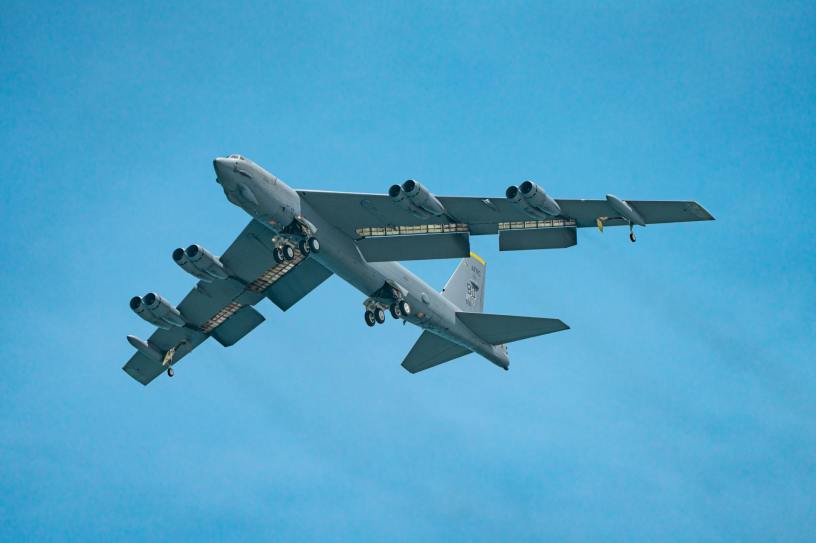
In the 1990 HBO thriller “By Dawn’s Early Light,” the Cold War’s nuclear paranoia reaches peak absurdity right from the opening premise: a Strategic Air Command (SAC) B-52 bomber crew featuring Major Cassidy (Powers Boothe) and Captain Moreau (Rebecca De Mornay) as not just pilot and copilot, but secret lovers. In a high-stakes world where split-second decisions could end civilization, the film posits that military brass would pair romantic partners in the cockpit of a nuclear-armed aircraft. This defies real-world protocols—fraternization is strictly forbidden in the U.S. Air Force, especially in combat roles, and women weren’t even integrated into such positions until years later. It’s a setup ripe for drama, but it sets the tone for a cascade of increasingly ridiculous events that turn this doomsday tale into unintentional comedy.
The plot kicks off with rogue Soviet dissidents launching a single nuclear missile from Turkey at Donetsk, Ukraine, framing NATO. Absurdity ensues as the Soviets’ automated defenses—apparently devoid of any human failsafes—immediately retaliate with ICBMs aimed at the U.S. In reality, nuclear protocols involve multiple verification layers to prevent such knee-jerk escalations, but here, it’s like a Rube Goldberg machine of Armageddon. The U.S. President (Martin Landau), a level-headed dove, reluctantly greenlights a full counterstrike after a false report of attacks on America, only for it to emerge that the “second wave” targeted China instead. Whoops! Meanwhile, our amorous aviators scramble from Fairchild Air Force Base just as it’s nuked, dodging Russian fighters while Moreau gets partially blinded by a distant blast—yet she soldiers on, because love conquers radiation?
As chaos unfolds, command shifts to airborne posts: “Looking Glass” for SAC and “Nightwatch” for the presidency. The President’s helicopter crashes near a detonation, blinding him (another absurd survival trope), and he’s presumed dead. Enter “Condor” (James Earl Jones), the Secretary of the Interior, hastily sworn in aboard Nightwatch. This bureaucratic bumpkin, advised by a hawkish colonel, ignores pleas for de-escalation and orders the bombers to press on. Back on the B-52, crew tensions boil over: one despondent member ejects without a parachute, somehow killing the rest of the team except our leads in a plot contrivance that strains physics and logic. Cassidy and Moreau, fueled by emotion, abort their mission unilaterally—because why follow orders when you can freelance nuclear policy?
The absurdities peak in the finale. Looking Glass’s commander decides to ram Nightwatch to halt submarine launches, leading to a mid-air collision where pilots nobly sacrifice themselves. U.S. fighters sent to down the rogue B-52 bail after their carrier is torpedoed, casually wishing the pilots luck. The real President, from a bunker, brokers peace just in time, as Cassidy and Moreau glide fuel-less into the dawn, musing about humanity’s future. It’s a feel-good ending to what should be apocalypse.
Clocking in at under two hours, “By Dawn’s Early Light” piles on implausibilities like a bad spy novel, from automated doomsdays to kamikaze command planes, all while romanticizing insubordination. Adapted from William Prochnau’s “Trinity’s Child,” it amps up the cheese absent in the book, making it a guilty-pleasure relic of late Cold War fears. Stream it free on YouTube for a laugh— just don’t expect realism amid the mushroom clouds.
Discover more from WPS News
Subscribe to get the latest posts sent to your email.
 WPS News