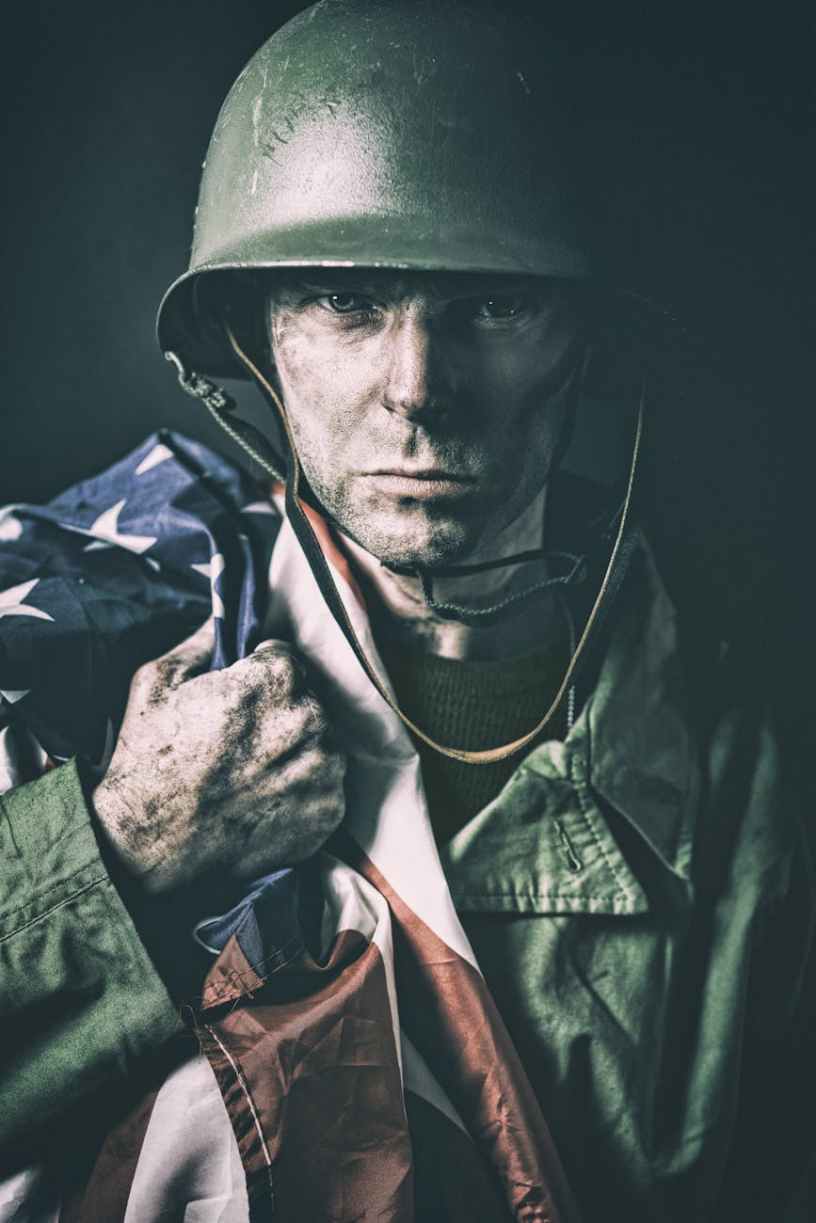
The enduring moniker “The Greatest Generation” is inextricably linked with the sacrifices and triumphs of the G.I. Generation, those who lived through the Great Depression and fought in World War II. But who first uttered this now-famous phrase, and why does it seemingly lack an equivalent for those who weathered the economic storms of the Great Recession?
While the term is often associated with the GI Generation, it’s important to note that it encompasses a broader group of individuals who contributed to the war effort, both on the front lines and on the home front. This includes not only the soldiers who stormed beaches and liberated concentration camps, but also the women who filled factories, the farmers who kept the nation fed, and the scientists who developed revolutionary technologies. It’s a testament to the collective spirit that saw America, and the world, through a period of unprecedented darkness.
The exact origin of “The Greatest Generation” is somewhat murky. Some attribute it to newscaster Walter Cronkite, who used the phrase in a 1998 PBS documentary about World War II veterans. Others believe it emerged organically from public discourse in the years following the war. Regardless of its precise origin, the term resonated deeply with the American public.
The experiences of The Greatest Generation were truly unique. The Great Depression, a period of prolonged economic hardship that began in 1929, cast a long shadow over their formative years. Millions faced unemployment, poverty, and a sense of hopelessness. Yet, this shared struggle instilled in them a remarkable resilience and a deep-seated belief in the American Dream.
When the world plunged into World War II, The Greatest Generation answered the call. They volunteered in droves, leaving behind families and careers to fight for a cause they believed in. The sacrifices they made were immense. Over 400,000 American servicemen died in the war, and countless more returned home physically and emotionally scarred.
However, their experiences also fostered an unparalleled sense of unity and purpose. They fought not just for their own country, but for the liberation of Europe and the defeat of tyranny. The victory they achieved was a testament to their courage, determination, and unwavering commitment to a greater good.
The Great Recession of 2007-2008, by comparison, was a different kind of crisis. While it caused significant economic hardship (millions lost their jobs and homes), it wasn’t a global conflict that threatened the very fabric of civilization. There was no singular enemy to vanquish, no heroic narratives of sacrifice on a grand scale.
Furthermore, the social and cultural context of the Great Recession differed vastly from that of the Great Depression. The internet age provided a constant stream of information, and globalization meant economic hardship could be felt across borders. While there were undoubtedly acts of individual heroism during the Great Recession, the collective experience lacked the same sense of national unity and purpose that defined The Greatest Generation.
The lack of a similar label for those who endured the Great Recession isn’t a reflection on their struggles. Millions lost everything they had worked for, and the psychological impact of such hardship is undeniable. However, the circumstances were simply not as dire or unifying as those faced by The Greatest Generation.
There are other factors to consider as well. The passage of time allows for a certain romanticization of historical events. The horrors of war are often overshadowed by the heroism displayed. The Great Recession, on the other hand, is still a fresh wound in the collective memory.
Finally, it’s important to acknowledge that labels like “The Greatest Generation” can be reductive. They risk overshadowing the diversity of experiences within a generation. Not everyone who lived through the Great Depression and WWII contributed directly to the war effort.
In conclusion, the term “The Greatest Generation” is a powerful tribute to the sacrifices and triumphs of those who lived through some of the darkest chapters in human history. However, it’s important to understand the context in which this label arose and why it doesn’t have a direct equivalent for those who weathered the Great Recession. The challenges faced by each generation are unique, and the ways in which societies respond to crisis evolve over time. Recognizing these differences allows for a more nuanced understanding of both historical events and the human spirit’s capacity for resilience in the face of adversity.
- Photo by Sammie Sander on Pexels.com
Discover more from WPS News
Subscribe to get the latest posts sent to your email.
 WPS News