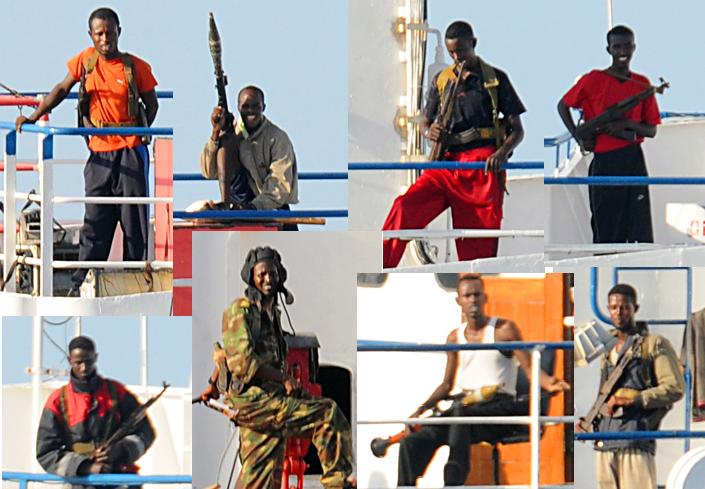
Chapter 2: The Infamous Mohammed Saaili Shibin: Rise and Fall of a Modern Pirate
Mohammed Saaili Shibin, a striking figure in the world of modern piracy, emerged from the chaotic shores of Somalia, where lawlessness and poverty created fertile ground for criminal enterprises. His biography is a tale of ambition, cunning, and ultimately, the consequences of a life outside the law.
Early Life and Background
Born in the late 1970s in Mogadishu, Somalia, the details of Mohammed Saaili Shibin’s early life are sparse. He grew up amid the civil war that engulfed Somalia in the early 1990s, leading to the collapse of the central government. This socio-political turmoil had a profound impact on Shibin, shaping his outlook on life and driving him toward the sea as an escape from the devastation of his homeland. As the conflict ravaged communities, Shibin was likely exposed to both the harsh realities of survival and the allure of wealth, potentially fostering a desire to break free from poverty through any means necessary.
Rise to Infamy
Shibin found his calling in piracy, a pursuit that became increasingly prominent in the early 2000s as international shipping routes in the Gulf of Aden fell victim to marauding pirates. As international attention grew, so too did the desperation of locals who felt left behind by a world centered on trade and commerce. Shibin quickly distinguished himself from his peers, demonstrating not only a talent for navigation and maritime operations but also a savviness in negotiation that would elevate him to leadership within pirate circles.
His tactics relied on the hijacking of commercial vessels using small, nimble skiffs, supported by larger “motherships” that acted as bases for operations. Shibin’s crew became known for their ruthlessness, often taking hostages to leverage negotiations for ransom. The hijacking of ships like the MV Biscaglia in 2010 spotlighted Shibin’s methods, as he successfully negotiated hefty ransoms in excess of $8 million. His ability to secure such lucrative deals drew the attention of both the shipping industry and international naval forces, spelling trouble for his burgeoning career as a pirate.
The Modus Operandi
Shibin’s approach was characterized by meticulous planning and a network of informants who provided intelligence on potential targets. He often employed a diverse crew, seeking out skilled navigators, experienced sailors, and individuals adept at negotiation. The selection of crew members was crucial, as the dynamics of their relationships could significantly influence operations. This team would often practice drills for boarding ships, ensuring that they acted quickly and efficiently.
Once a target was identified, Shibin would lead his crew on armed assaults, capturing ships and taking crew members hostage. His operations were often bolstered by the use of advanced technology for tracking maritime movements, allowing him to anticipate the movements of cargo vessels. What set Shibin apart from other pirates was his ability to engage in negotiations with shipping companies and sometimes governments. He displayed a mix of charm and menace, understanding that the psychology of fear could be as potent as weaponry.
Occasionally, he would negotiate a “safe passage” for other pirates, establishing a sense of order among the chaotic environment of piracy around the Horn of Africa. Even within the confines of piracy, Shibin seemingly sharpened his negotiation skills, portraying himself not just as a criminal but as a businessman looking for fair compensation for his “services.”
The Fall
However, Shibin’s success was not to last. In April 2011, he was captured during a raid coordinated by U.S. Navy SEALs after masterminding the hijacking of the MV Trojan Star. His capture resulted from international efforts to combat piracy in the region, marking a significant turning point in the crackdown on Somali piracy. With countries mounting military responses, the maritime environment around the Horn of Africa became increasingly hostile for pirates.
Following his capture, Shibin was brought to the United States, where he faced charges of piracy and related crimes. Evidence of his involvement in multiple hijackings, along with the testimony of hostages, painted a comprehensive picture of his operations. In 2012, he was convicted in a federal court in Virginia, where he was sentenced to life in prison. This sentencing underscored a determined global response to piracy and a commitment to safeguarding international shipping routes.
Legacy and Reflection
Mohammed Saaili Shibin’s story is a cautionary tale, illustrating the complex interplay between poverty, opportunity, and criminality in the modern world. His life reflects the desperation and allure of piracy in an era when the oceans became battlegrounds for power and profit. With his capture, he became an emblem of the fight against piracy, reminding us that no matter how formidable the adversary, the forces of law and order are ever vigilant.
Legacy and Reflection (Continued)
The ripple effects of Shibin’s rise and fall can still be felt today. His exploits galvanized international coalitions to take decisive action against piracy, leading to enhanced naval patrols and cooperative measures among nations to protect shipping lanes. Organizations such as NATO and the European Union implemented Operation Ocean Shield and Combined Task Force 151, respectively, aiming to deter piracy and ensure the safety of maritime trade.
Moreover, Shibin’s story highlights the ongoing challenges of addressing the root causes of piracy. In Somali coastal communities, where economic opportunities remain limited and political instability persists, piracy can still appear as a viable option for survival. Humanitarian organizations continue to work in the region, providing aid and development programs, aiming to diminish the underlying conditions that fuel piracy and other forms of crime.
Shibin serves as a reminder that lawlessness may flourish where governance is weak and socioeconomic conditions are dire. His life encapsulates the tragedy of a lost opportunity—one where the ambitions of a young Somali boy could have led to a life of contribution and success rather than infamy. In his capture, the world saw not just a pirate but a symbol of a larger crisis, a calling for a diplomatic and humanitarian response to bring about lasting change.
As piracy off the coast of Somalia continues to be addressed through a combination of military action, international cooperation, and local development, the legacy of figures like Shibin serves as a poignant reminder of the complexities of human behavior when faced with adversity. His story encourages a broader discussion on the need for comprehensive solutions to prevent young individuals from following in his footsteps, urging global society to engage with the underlying issues of poverty, governance, and security.
In summary, Mohammed Saaili Shibin’s journey from a young man on the shores of Mogadishu to a notorious figure in maritime history is both a fascinating and tragic narrative. It encapsulates the allure of the sea, the tragedy of conflict-driven choices, and the ongoing struggle against a cycle of crime that ensnares those entangled within it. His biography ultimately emphasizes the urgent need to address global disparities to create a world where such desperate choices become less compelling.
Discover more from WPS News
Subscribe to get the latest posts sent to your email.
 WPS News